
Autonomous Food Delivery Robots: Transforming Cafes with Robotic Food Waitress Solutions
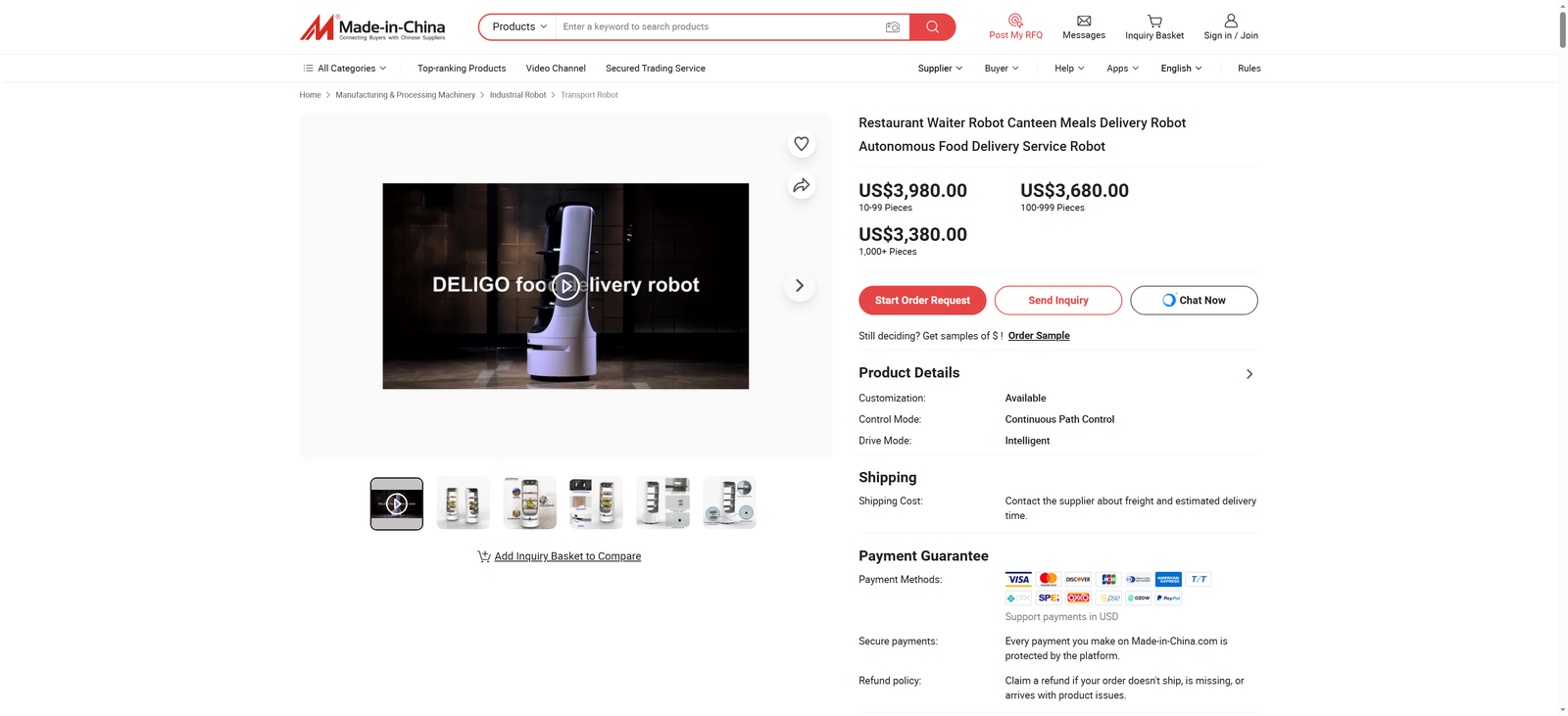
In the fast-paced world of food service, where efficiency, consistency, and customer experience are paramount, autonomous technology is reshaping the way cafes and restaurants operate. Among the most impactful innovations are autonomous food delivery robots, often referred to as robotic food waitress robots—specialized machines designed to streamline food and beverage delivery, enhance service quality, and redefine the dining experience in cafes. These intelligent robots are no longer a futuristic concept but a practical, value-driven solution that is gaining traction across the global food service industry, addressing key pain points for business owners while delighting customers with cutting-edge convenience.
An autonomous food delivery robot, at its core, is a self-navigating machine engineered to transport food, drinks, and even utensils from the kitchen to customer tables (or vice versa) without constant human supervision. Unlike traditional delivery methods that rely on human servers, these robots leverage advanced technologies to operate independently, adapt to dynamic environments, and complete tasks with precision and reliability. When tailored for cafe settings—often called cafe robots—they are optimized to handle the unique demands of casual dining spaces: narrow aisles, frequent foot traffic, varied table layouts, and the need for quick, gentle delivery of hot or cold items.
The rise of robotic food waitress robots in cafes is driven by a confluence of industry challenges and technological advancements. For cafe owners, labor shortages and rising人力成本 (labor costs) have become persistent hurdles, with many struggling to hire and retain enough staff to meet peak-hour demands. A robotic food waitress eliminates the need for additional servers to handle repetitive delivery tasks, allowing human staff to focus on high-value interactions—such as taking custom orders, offering menu recommendations, and ensuring customer satisfaction—that robots cannot replicate. This not only reduces operational costs but also improves staff productivity and job satisfaction by minimizing tedious, physically demanding work.
Technologically, modern autonomous food delivery robots are equipped with a suite of features that make them ideal for cafe environments. Most rely on SLAM (Simultaneous Localization and Mapping) navigation technology, often combining laser SLAM and visual SLAM for comprehensive coverage, allowing them to map their surroundings in real time, avoid obstacles (including customers, chairs, and other robots), and find the shortest, safest route to their destination. Advanced 3D sensors and RGBD depth cameras enable them to detect even small or low-lying obstacles, with obstacle scanning frequencies as high as 5,400 times per minute and reaction times as fast as 0.5 seconds, ensuring smooth, collision-free operation. Many cafe robots also feature intelligent infrared感应托盘 (sensor trays) that keep food at optimal temperatures, modular designs for easy cleaning and maintenance, and automatic self-charging capabilities—allowing them to operate 24 hours a day without human intervention if needed.
Beyond efficiency and cost savings, robotic food waitress robots enhance the customer experience in tangible ways. For patrons, the novelty of interacting with a cafe robot adds a fun, memorable element to their dining experience—turning a simple coffee run into a unique moment worth sharing. These robots are often designed with user-friendly interfaces, such as touch screens or voice prompts, allowing customers to easily retrieve their orders with a tap or a voice command. They also ensure consistency: unlike human servers who may rush or make mistakes during busy periods, autonomous delivery robots deliver orders accurately and on time, every time. This reliability is particularly valuable in cafes, where customers often expect quick service during morning commutes or lunch breaks.
The versatility of autonomous food delivery robots makes them suitable for a wide range of cafe types, from small neighborhood coffee shops to large chain cafes and boutique eateries. For example, compact cafe robots can navigate tight spaces in cozy, small-footprint cafes, while larger models with multiple tiers or adjustable shelves can handle high-volume orders in busy urban locations, transporting multiple dishes or drinks at once. Some advanced models even integrate additional features, such as built-in advertising screens to promote daily specials, AI voice interaction for customer engagement, or compatibility with mobile apps, allowing customers to track their orders or place requests directly through their phones. This flexibility ensures that regardless of a cafe’s size, layout, or target audience, there is an autonomous delivery robot tailored to its needs.
The global market for autonomous food delivery robots is growing at an unprecedented rate, driven by these compelling benefits. According to industry reports, the restaurant delivery robot market was valued at USD 13.9 billion in 2023 and is projected to reach USD 95.0 billion by 2032, with a compound annual growth rate (CAGR) of 23.84%. In China alone, the market size for delivery robots is expected to grow from approximately 45 billion yuan in 2024 to nearly 180 billion yuan by 2029, with cafes and quick-service restaurants accounting for a significant portion of this growth. This expansion is further supported by favorable policies, such as government subsidies for smart equipment purchases, and increased investment in robotic technology by both startups and established tech firms.
Despite their many advantages, some may wonder if autonomous food delivery robots will replace human servers entirely. The answer is a resounding no—these robots are designed to complement, not replace, human staff. While they excel at repetitive, routine tasks like delivery, they lack the emotional intelligence, creativity, and personal touch that human servers bring to the dining experience. A robotic food waitress cannot offer a warm smile, empathize with a customer’s preferences, or adjust an order based on verbal cues. Instead, they free up human staff to focus on what they do best: building relationships with customers and creating a welcoming atmosphere that keeps people coming back.
Looking ahead, the future of autonomous food delivery robots in cafes is bright, with continuous technological advancements set to make them even more capable and integrated into daily operations. We can expect to see robots with enhanced AI capabilities, such as the ability to recognize regular customers and remember their favorite orders, or integrate with kitchen management systems to receive real-time updates on order statuses. The adoption of “robot as a service (RaaS)” models is also likely to increase, allowing cafe owners to lease robots instead of purchasing them outright, reducing upfront costs and making the technology more accessible to small businesses. Additionally, as sustainability becomes a greater priority, we may see more eco-friendly robots powered by solar energy or electric batteries, further reducing the carbon footprint of cafe operations.
In conclusion, autonomous food delivery robots—including specialized robotic food waitress robots and cafe robots—are transforming the food service industry by offering a practical solution to labor shortages, rising costs, and the demand for faster, more consistent service. These intelligent machines enhance efficiency for cafe owners, improve the customer experience, and complement human staff in ways that drive business growth. As technology continues to evolve and the industry embraces automation, autonomous food delivery robots will become an increasingly common sight in cafes around the world, redefining what it means to deliver exceptional food service in the digital age. For any cafe looking to stay competitive, reduce costs, and delight customers, investing in an autonomous food delivery robot is not just a trend—it is a strategic decision that will pay dividends for years to come.