
Food Delivery Robot, Smart Waiter Robot, Serving Robot: Transforming the Future of Restaurant Service
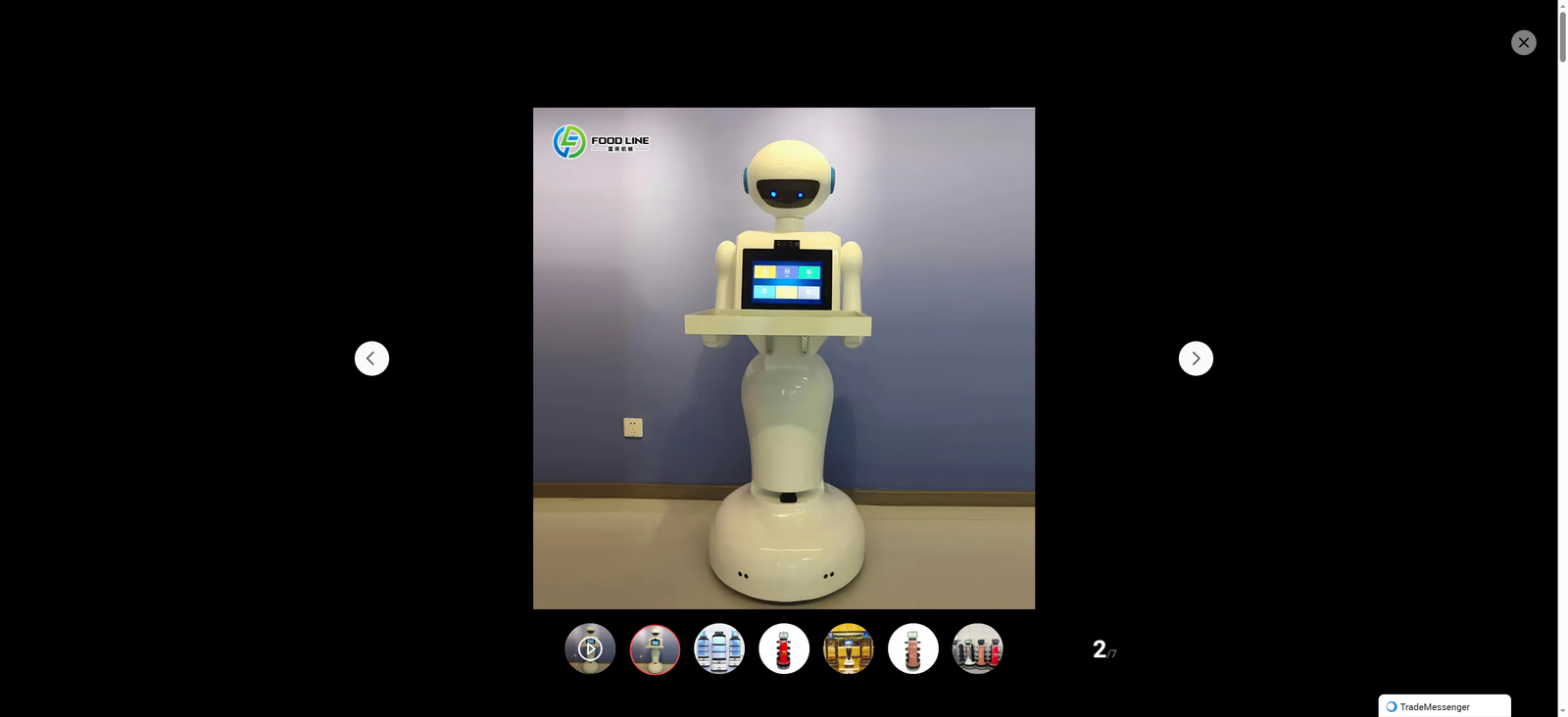
In the fast-paced world of hospitality, where efficiency, customer experience, and operational cost control are paramount, technology has emerged as a game-changer. Among the most innovative advancements reshaping restaurant operations are food delivery robots, smart waiter robots, and serving robots—three interconnected solutions designed to streamline workflows, enhance guest satisfaction, and address the industry’s most pressing challenges. These intelligent machines are no longer just a novelty; they have become essential tools for restaurants of all sizes, from casual diners to high-end eateries, redefining what it means to deliver exceptional service in the digital age.
At the core of this technological revolution lies the food delivery robot, a specialized device engineered to automate the most repetitive and labor-intensive task in restaurants: transporting food and beverages from the kitchen to customer tables. Unlike traditional manual delivery, which relies on human servers to navigate crowded dining rooms, carry heavy trays, and juggle multiple orders at once, food delivery robots leverage advanced technology to execute these tasks with precision and consistency. Equipped with LiDAR sensors, visual SLAM navigation, and AI-powered obstacle avoidance systems, these robots can map restaurant layouts in real time, detect people or objects in their path, and adjust their routes seamlessly—ensuring that meals arrive hot, intact, and on time, even during peak dining hours. Many models, such as Pudu Robotics’ BellaBot and Keenon Robotics’ DinerBot, feature multi-layered trays with impressive load capacities (up to 40kg for some models) and long battery life (12-24 hours on a single charge), allowing them to operate continuously without frequent recharging. For restaurant owners, this translates to reduced labor costs—studies show that food delivery robots can cut long-term人力 expenses by up to 40%—as well as fewer errors, such as misplaced orders or spilled dishes, which can damage a restaurant’s reputation and bottom line.
Complementing food delivery robots are smart waiter robots, which take restaurant automation a step further by handling a broader range of customer-facing tasks. These intelligent machines are not just delivery tools; they act as virtual servers, capable of greeting guests, guiding them to their tables, taking orders via touchscreen interfaces or voice commands, and even processing payments. Built on advanced hardware systems—including PIR sensors to detect human motion, ultrasonic sensors to measure distances, and Raspberry Pi controllers to process inputs—smart waiter robots can interact with customers in a user-friendly manner, providing menu recommendations, answering basic questions about dishes, and even engaging in simple small talk to enhance the dining experience. In unmanned or semi-unmanned restaurants, these robots can operate independently, managing the entire customer journey from entry to exit, while in full-service establishments, they work alongside human staff to reduce their workload, allowing servers to focus on more high-value interactions, such as building relationships with guests and addressing complex requests. This collaboration between humans and robots creates a balanced service model: robots handle the tedious, repetitive work, while humans bring the warmth and emotional connection that machines cannot replicate.
Together, food delivery robots and smart waiter robots fall under the broader category of serving robots—a term that encompasses all automated devices designed to support restaurant service operations. Serving robots are highly versatile, adaptable to a wide range of dining environments, including Chinese restaurants, Western restaurants, fast-food chains, and even wine clubs and drive-in eateries. Beyond food delivery and order taking, they can perform additional tasks such as table cleaning, plate recycling, and even delivering bills to tables, further streamlining restaurant workflows and reducing the burden on staff. For example, some serving robots are equipped with built-in trash bins to collect used dishes, while others can integrate with kitchen management systems to send real-time updates on order status, helping chefs and servers coordinate more effectively. Additionally, serving robots offer a unique marketing advantage: their futuristic design and interactive features attract younger customers, who often share their experiences on social media, increasing a restaurant’s brand exposure and foot traffic.
While the benefits of food delivery robots, smart waiter robots, and serving robots are clear, their adoption is not without challenges. The initial investment cost can be high—some high-end models cost tens of thousands of dollars—posing a barrier for small and medium-sized restaurants. Additionally, these robots may struggle with highly complex environments, such as extremely crowded dining rooms or multi-level spaces, and they cannot replace the emotional intelligence of human servers, which is crucial for handling complaints, accommodating special requests, or creating memorable dining moments for guests. Maintenance is another consideration: serving robots require regular software updates, hardware checks, and battery replacements, and repairs may require specialized technical expertise, adding to operational costs over time. However, many restaurant owners view these challenges as long-term investments, as the efficiency gains, cost savings, and improved customer experiences often outweigh the upfront and maintenance expenses—especially in an industry facing persistent labor shortages and rising人力 costs.
The growing popularity of serving robots in restaurants is also reflected in market trends. As of early 2026, the robot industry is experiencing steady growth, with related stock indices rising 8.55% over the past three months and 18.09% over the past year—indicating strong investor confidence in the future of automation in hospitality and other sectors. This growth is driven by increasing demand for contactless service (a trend accelerated by the COVID-19 pandemic), rising labor costs, and advancements in AI and robotics technology, which are making these machines more affordable, reliable, and user-friendly. Looking ahead, the future of restaurant serving robots is promising: manufacturers are continuously innovating, adding new features such as multi-language support, advanced voice recognition, and integration with loyalty programs to make these machines even more valuable to restaurants and guests alike. We can expect to see more restaurants adopting hybrid service models, where robots and humans work together to deliver efficient, personalized, and memorable dining experiences.
In conclusion, food delivery robots, smart waiter robots, and serving robots are transforming the restaurant industry by addressing its most critical pain points—labor shortages, rising costs, and the need for consistent, high-quality service. These intelligent machines are not here to replace human servers; instead, they are here to augment their capabilities, allowing them to focus on what they do best: connecting with guests and delivering exceptional hospitality. Whether it’s a food delivery robot ensuring meals arrive on time, a smart waiter robot greeting guests with a friendly interface, or a versatile serving robot streamlining backend operations, these technologies are redefining the future of dining—making it more efficient, more enjoyable, and more sustainable for everyone involved. As technology continues to evolve, serving robots will undoubtedly become an integral part of the restaurant landscape, helping businesses thrive in an increasingly competitive market.