
Intelligent Hospitality Robot for Fast and Reliable Room Service Delivery
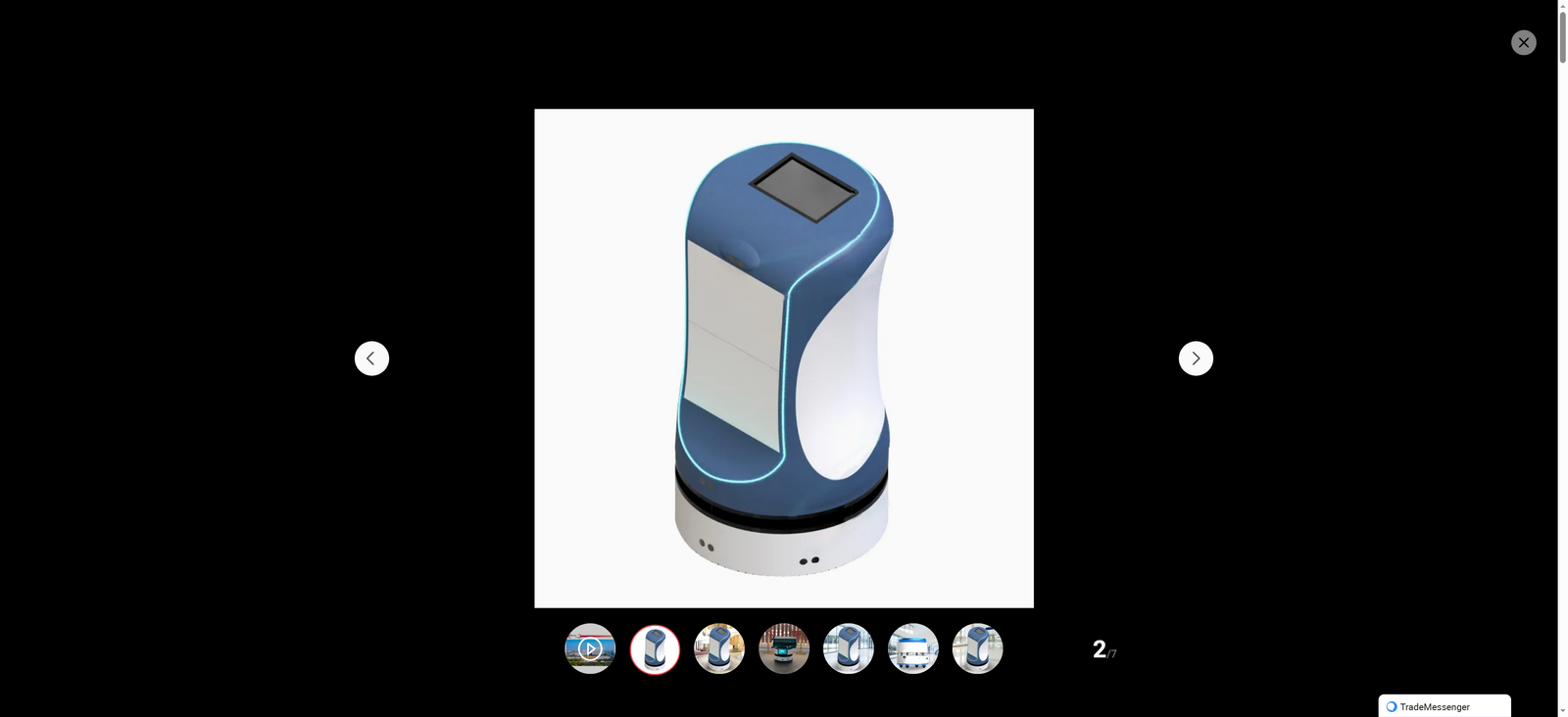
In an era where efficiency, convenience, and personalized experience define the hospitality industry, intelligent hospitality robots have emerged as transformative tools, reshaping how hotels deliver room service to guests. No longer confined to novelty displays in lobbies, these advanced machines are now integral to daily operations, offering fast, reliable, and consistent delivery services that bridge the gap between guest expectations and operational efficiency. As hotels worldwide strive to streamline workflows, reduce labor burdens, and enhance guest satisfaction, intelligent hospitality robots for room service delivery have become a cornerstone of modern hospitality innovation.
At the core of these robots’ functionality lies a synergy of cutting-edge technologies designed to navigate complex hotel environments seamlessly and execute delivery tasks with precision. Equipped with a suite of sensors—including laser radar, cameras, and ultrasonic sensors—these robots possess “eyes” and “senses” to perceive their surroundings, avoiding obstacles such as guests, luggage carts, and furniture with 360-degree awareness. Laser radar acts like a “mine detector,” scanning the environment in real time, while cameras enable the robot to recognize elevator buttons, room numbers, and door signs, ensuring accurate navigation through corridors and across floors. Before deployment, robots are programmed to “map” the entire hotel, memorizing floor plans, elevator locations, and room distributions to create a detailed electronic navigation guide, allowing them to find the optimal route for every delivery task.
The reliability of intelligent hospitality robots in room service delivery stems from their 24/7 operational capacity and consistent performance, unimpeded by fatigue, human error, or shift changes. Unlike human staff who may face burnout during peak hours or night shifts, these robots can operate continuously, ensuring that guest requests—whether for extra towels, water, snacks, or even外卖 (takeout)—are addressed promptly at any time of day or night. This round-the-clock availability is particularly valuable for hotels catering to international guests across different time zones or handling unexpected late-night requests, as it eliminates wait times and ensures service standards remain uncompromised. For example, a guest requesting a charger at 2 a.m. can receive it within minutes, thanks to robots that are always on standby, ready to accept and execute tasks instantly.
Speed is another defining advantage of intelligent hospitality robots, as they optimize every step of the room service delivery process to minimize latency. Integrated with hotel management systems and elevator control systems, these robots can autonomously call elevators, select floors, and even unlock guest room doors (with prior guest approval), eliminating the need for human intervention at each stage. The entire delivery workflow—from receiving the request at the front desk or via a guest app, to picking up the item from the service station, navigating to the target room, and notifying the guest for pickup—is automated and streamlined. Data from industry deployments shows that these robots can reduce delivery times by up to 45% compared to traditional human-led delivery, significantly enhancing guest satisfaction by meeting the demand for instant service in a fast-paced world.
Beyond speed and reliability, these robots also contribute to a more personalized and unobtrusive guest experience—two key priorities in modern hospitality. By handling routine delivery tasks, robots free up human staff to focus on high-value interactions that require empathy and personalization, such as assisting with special requests, providing local recommendations, or resolving complex guest issues. This human-robot collaboration not only improves staff productivity but also ensures that guests receive the best of both worlds: efficient, automated service for routine needs and warm, personalized care for more complex requests. Additionally, robots offer a “zero-contact” delivery option, which has become increasingly popular since the COVID-19 pandemic, as it reduces unnecessary interactions and enhances guest comfort by preserving privacy in their hotel rooms.
For hotel operators, the adoption of intelligent hospitality robots for room service delivery translates to tangible operational and financial benefits. Labor costs represent a significant portion of hotel expenses—often 30% to 50% of operational budgets—and robots help reduce these costs by taking over repetitive, labor-intensive delivery tasks, allowing hotels to reallocate staff to more critical roles. Moreover, robots generate valuable operational data, such as delivery frequency, popular request items, and peak demand times, which hotel managers can analyze to optimize inventory management, staff scheduling, and service workflows. For instance, if data shows that guests frequently request bottled water in the morning, hotels can pre-stock robots with water to speed up deliveries during that peak period. Additionally, robots enhance a hotel’s brand image as a forward-thinking, tech-savvy establishment, appealing to younger travelers and tech-conscious guests who value innovation and convenience.
While the current generation of intelligent hospitality robots excels at routine delivery tasks, ongoing technological advancements are expanding their capabilities even further. The integration of generative AI and visual-language-action (VLA) models is enabling robots to understand more complex guest requests and adapt to unstructured scenarios, such as handling fragile items or responding to simple verbal instructions. Future iterations may include dual-purpose robots that combine delivery with additional functions, such as security patrols, guest greetings, or even basic housekeeping tasks, further maximizing their value to hotels. Additionally, improvements in battery life—with some models now offering 10 hours of continuous operation—and automated charging stations ensure that robots remain operational without frequent interruptions.
Despite the numerous advantages, the adoption of intelligent hospitality robots is not without considerations. Hotels must invest in proper training for staff to operate and maintain the robots, as well as address potential guest concerns about technology replacing human interaction. However, these challenges are far outweighed by the benefits, as robots are designed to complement human staff rather than replace them—enhancing, not diminishing, the guest experience. As technology continues to evolve and costs become more accessible, even mid-sized and boutique hotels are increasingly embracing these robots as a practical and sustainable solution for room service delivery.
In conclusion, intelligent hospitality robots have revolutionized room service delivery by combining speed, reliability, and efficiency with a guest-centric approach. Powered by advanced navigation, sensor, and AI technologies, these robots ensure that guest requests are met promptly and consistently, 24 hours a day, while freeing up human staff to focus on personalized care. For hotels, they represent a strategic investment in operational efficiency, cost reduction, and brand differentiation, while for guests, they deliver the convenience and instant gratification that define modern travel expectations. As the hospitality industry continues to evolve, intelligent hospitality robots will undoubtedly play an increasingly vital role, shaping the future of room service delivery and setting new standards for excellence in guest experience.