
Waiter Delivery Service Robot: Transforming Restaurant Dining with Intelligent Food Delivery Trolleys
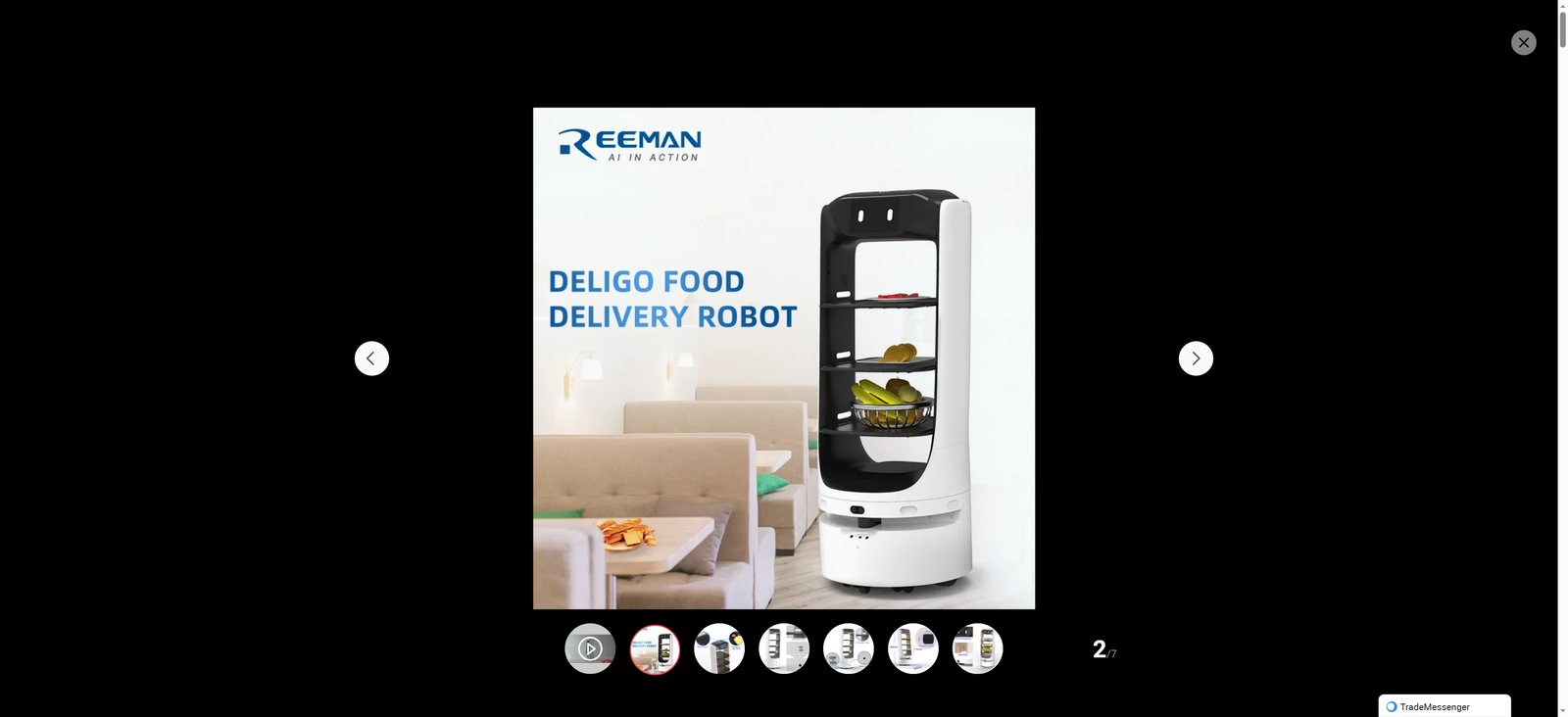
In the fast-paced world of catering, efficiency, hygiene, and customer experience are the cornerstones of a successful restaurant. As the industry evolves, traditional serving methods are being revolutionized by technological innovations, and one of the most impactful advancements is the emergence of waiter delivery service robots and intelligent food delivery trolleys. These automated solutions are not just futuristic gadgets; they have become essential tools that redefine how restaurants operate, bridging the gap between speed, convenience, and quality service.
A waiter delivery service robot, often integrated with a food delivery trolley design, is an autonomous device engineered specifically for the unique demands of restaurant environments. Unlike conventional serving trolleys that rely entirely on human effort to move and operate, these intelligent robots combine the functionality of a classic serving trolley with cutting-edge automation technology. They are equipped with advanced components such as LiDAR sensors, visual SLAM navigation, and AI-powered control systems, enabling them to navigate seamlessly through crowded dining halls, avoid obstacles, and deliver meals, drinks, and tableware with unparalleled precision[].
The core value of these food delivery robots lies in their ability to address the most pressing challenges faced by modern restaurants: labor shortages, rising operational costs, and the need for consistent service quality. In many regions, the catering industry struggles with high staff turnover and difficulty recruiting full-time servers, especially during peak dining hours. A waiter delivery service robot eliminates the reliance on manual labor for repetitive tasks—such as transporting meals from the kitchen to tables or collecting used dishes—allowing human staff to focus on high-value interactions, such as recommending dishes, explaining menu details, and ensuring customer satisfaction[][]. Some advanced models even feature AI餐盘检测 (AI plate detection) to ensure accurate delivery and avoid spills[].
The versatility of waiter delivery service robots makes them suitable for all types of restaurants, from fast-food chains and casual diners to high-end eateries and hotels. For fast-paced establishments, these robots can significantly reduce customer waiting times by delivering orders quickly and efficiently, boosting table turnover rates and increasing revenue[][].
Modern food delivery robots are also equipped with a range of intelligent features that enhance their usability and reliability. Most models have automatic charging capabilities—when the battery level drops below 10%, the robot can autonomously navigate to the nearest charging station, ensuring uninterrupted service[]. Multi-machine scheduling technology allows multiple robots to work together seamlessly, optimizing delivery routes and avoiding "traffic jams" in busy restaurants[]. Additionally, many robots come with interactive features, such as voice prompts, touch screens, and even拟人态 (anthropomorphic) designs, which add a fun and engaging element to the dining experience, attracting younger customers and encouraging social media sharing[][].
While some may worry that the introduction of waiter delivery service robots will replace human staff, the reality is that these robots are designed to complement, not replace, human labor. The hospitality industry thrives on human interaction, and robots cannot replicate the warmth, empathy, and personalized service that human servers provide[]. The initial investment cost of these robots, which has been a barrier for some small restaurants, is also expected to decrease as production scales up and technology becomes more affordable[