
Smart Food Delivery Robot with Interactive Touchscreen Menu: Transforming Dining Experiences in the Digital Age
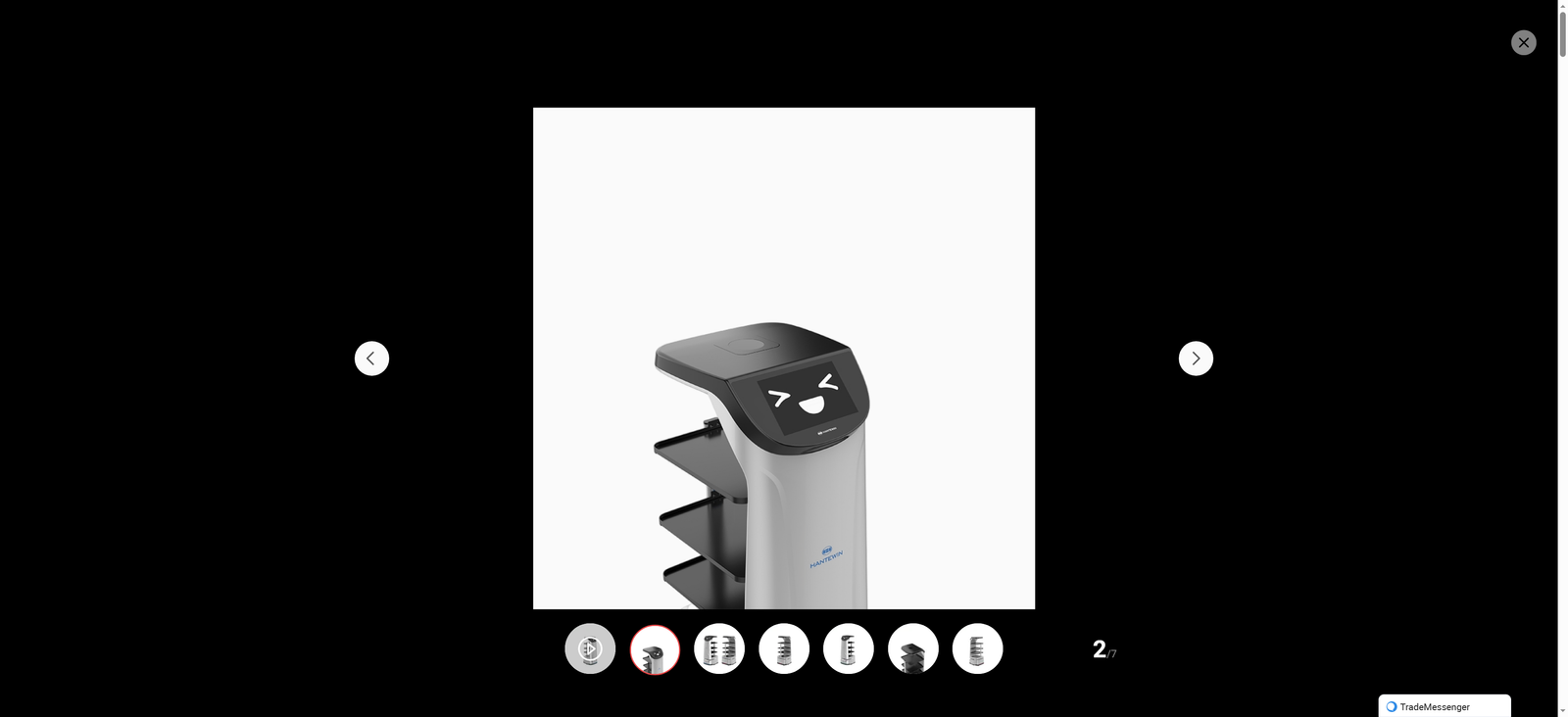
In an era where technology and hospitality converge, the smart food delivery robot equipped with an interactive touchscreen menu has emerged as a game-changing innovation, redefining efficiency, customer engagement, and operational excellence in the food service industry. No longer just a novelty, these intelligent machines blend advanced robotics, user-friendly interfaces, and seamless functionality to address longstanding pain points for restaurants and delight modern diners—bridging the gap between automation and human-centric service.
At the heart of this innovation lies the integration of a high-definition interactive touchscreen menu, which elevates the robot from a simple delivery tool to a versatile, customer-facing service terminal. Unlike traditional delivery robots that merely transport food from kitchen to table, these enhanced models put control directly in the hands of diners, offering a intuitive and engaging experience that aligns with the digital expectations of today’s consumers. The touchscreen, often designed with anti-glare technology and responsive haptic feedback, serves as a multi-purpose hub, combining menu browsing, order customization, service requests, and even promotional engagement in one compact interface.
The technical synergy between the delivery robot’s mobility and the interactive touchscreen menu is what sets this technology apart. Equipped with advanced navigation systems—typically SLAM laser radar, ultrasonic sensors, and 3D cameras—these robots navigate complex dining environments with precision, avoiding obstacles, adjusting speed to match foot traffic, and reaching designated tables with remarkable accuracy. Their stable, shock-absorbent chassis ensures that food remains intact during transport, while modular trays with weight sensors can carry multiple dishes at once, maximizing delivery efficiency. When the robot arrives at a table, the touchscreen menu springs to life, displaying the diner’s order for verification, along with options to request additional items, ask for condiments, or even provide real-time feedback—all without the need to flag down a server.
For diners, the interactive touchscreen menu transforms the dining experience into a more autonomous, efficient, and enjoyable process. Gone are the days of waiting for a server to bring a menu, clarify dish details, or take an order. With a few taps on the robot’s screen, customers can browse high-resolution images of dishes, read detailed descriptions (including ingredients, allergens, and dietary specifications), customize orders (such as adjusting spice levels or substituting sides), and even view recommended pairings—turning a routine meal into an interactive journey. The touchscreen also supports multi-language options, making it accessible to diverse customer groups, while intuitive design ensures that users of all ages can navigate it with ease. For families, the robot’s friendly LED facial expressions and interactive features add an element of fun, while tech-savvy diners appreciate the seamless integration of digital convenience into their dining experience.
For restaurant operators, the benefits extend far beyond customer satisfaction—these robots are powerful tools for optimizing operations and reducing costs. Labor shortages have long plagued the food service industry, and delivery robots with interactive touchscreen menus help alleviate this pressure by handling repetitive tasks such as food delivery, menu presentation, and basic service requests, allowing human staff to focus on more high-value interactions, such as providing personalized recommendations and ensuring overall customer satisfaction. Studies show that these robots can reduce delivery times by up to 30% during peak hours, minimizing customer wait times and increasing table turnover—directly boosting revenue. Additionally, the touchscreen menu serves as a dynamic marketing platform: restaurants can update menu items, promote daily specials, display limited-time offers, or even play promotional videos, all in real time, without the need for printed materials that are costly to update.
The versatility of these robots makes them suitable for a wide range of food service environments, from casual cafes and fast-food chains to high-end restaurants, hotels, bars, and even corporate cafeterias and hospital dining areas. In fast-food settings, the touchscreen menu allows customers to place orders directly on the robot, reducing lines at the counter and speeding up service. In fine dining establishments, the robot’s sleek design and interactive menu add a touch of sophistication, while its quiet operation ensures it does not disrupt the ambiance. Even in busy buffet-style restaurants, these robots can patrol with the touchscreen menu displaying available dishes, helping customers make informed choices without wandering the buffet line repeatedly.
As technology continues to evolve, the capabilities of smart food delivery robots with interactive touchscreen menus are only set to expand. Future iterations may integrate artificial intelligence (AI) to remember customer preferences, offering personalized menu recommendations based on past orders. They could also connect to restaurant management systems, automatically updating inventory levels when dishes are ordered and alerting staff when supplies are low. Additionally, advancements in voice recognition technology may allow diners to interact with the touchscreen menu using voice commands, further enhancing accessibility and convenience. With the global food delivery robot market projected to grow at a compound annual rate of over 25% through 2029, these interactive robots are poised to become a staple in the food service industry, driving innovation and shaping the future of dining.
Despite the numerous advantages, the adoption of these robots also comes with considerations. Restaurants must invest in initial setup and staff training to ensure the robots integrate seamlessly into existing operations. Additionally, while the robots are designed to be user-friendly, some customers—particularly older adults—may initially be hesitant to use the touchscreen menu, requiring gentle guidance from staff. However, as familiarity with the technology grows, these barriers are likely to diminish, as the benefits of efficiency and convenience become increasingly apparent.
In conclusion, the smart food delivery robot with an interactive touchscreen menu represents a pivotal shift in the food service industry, merging automation with customer-centric design to create a win-win solution for both restaurants and diners. By putting control in the hands of customers, optimizing operations, and offering versatile functionality, these robots are not just transforming how food is delivered—they are reimagining the entire dining experience. As technology advances and consumer expectations continue to rise, these intelligent machines will play an increasingly important role in helping restaurants stay competitive, efficient, and relevant in the digital age. The future of dining is here, and it’s interactive, efficient, and powered by smart robotics.