
Serveur Robot Android: Transforming Restaurant Service with Intelligent Food Service Robot Waiters
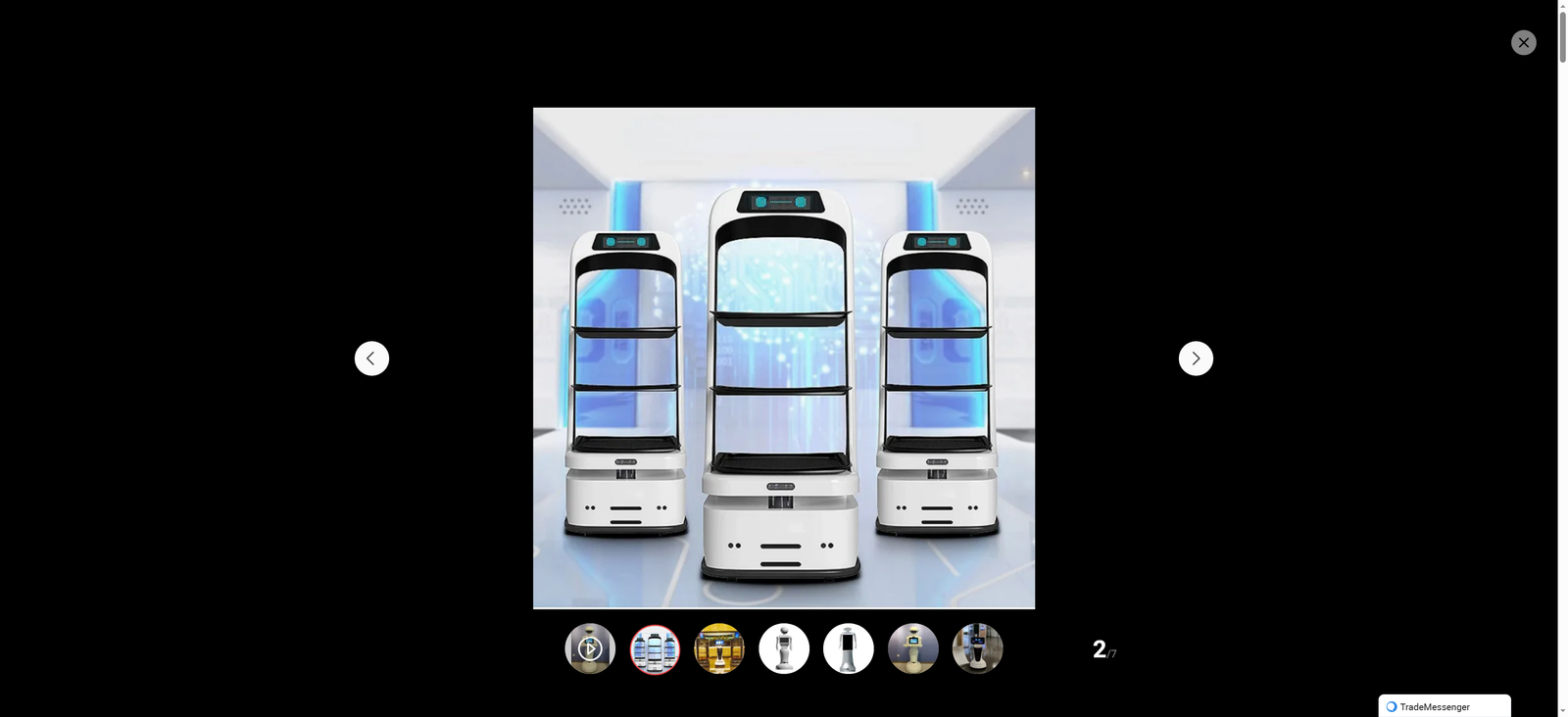
In the fast-paced world of hospitality, restaurants are constantly seeking innovative solutions to enhance efficiency, improve customer experience, and address the challenges of labor shortages. Among the most transformative technologies emerging in this space is the Serveur Robot Android—a cutting-edge Android-based food service robot waiter designed specifically to revolutionize how restaurants deliver service. Combining the flexibility of Android operating systems with advanced robotics, these intelligent assistants are no longer just a novelty; they have become essential tools for modern restaurants looking to stay competitive and meet the evolving demands of diners.
At the core of every high-performing Serveur Robot Android is its Android operating system, a choice that sets it apart from traditional service robots. Android’s open-source nature and widespread compatibility make it ideal for powering food service robots, allowing developers to integrate a wide range of features and customize the robot’s functionality to suit the unique needs of different restaurants—whether it’s a cozy café, a bustling casual diner, or an upscale fine-dining establishment. Unlike closed systems, Android enables seamless integration with existing restaurant management software, point-of-sale (POS) systems, and even smart kitchen equipment, creating a unified and efficient workflow that minimizes human error and maximizes productivity.
The capabilities of an Android food service robot waiter are diverse and tailored to address the most time-consuming and repetitive tasks in restaurant operations, freeing up human staff to focus on more high-value interactions with customers. One of its primary functions is food and beverage delivery, where the robot excels in speed, accuracy, and consistency. Equipped with advanced navigation systems—including laser radar, visual positioning, and inertial guidance—these robots can effortlessly navigate crowded dining rooms, avoid obstacles (from chairs and tables to moving customers and staff), and deliver orders to the correct table with pinpoint precision. Many models feature large, detachable trays with impressive weight capacity—some capable of holding up to 40 kilograms across multiple layers—ensuring they can handle multiple orders at once, even during peak hours. For example, a single robot can deliver 400-600 plates per day, matching the workload of 2-3 human servers, while operating continuously for 10-15 hours on a single charge with fast 3-4 hour recharging times.
Beyond basic delivery, the Serveur Robot Android offers a host of intelligent features that enhance both staff efficiency and customer experience. Thanks to Android’s robust voice recognition and natural language processing capabilities, these robots can engage in basic conversations with customers—answering questions about the menu, taking simple orders, providing wait time updates, and even offering recommendations for popular dishes or specials. Many models support multiple voice tones and customizable language options, allowing restaurants to tailor the robot’s interaction style to their brand personality, whether it’s a friendly, playful tone for family restaurants or a more formal tone for fine dining. With 6-microphone环形 arrays for 360° sound coverage and clear speakers, the robot can pick up customer requests from up to 5 meters away, ensuring seamless communication without the need for loud or repeated requests.
Another key advantage of Android-based food service robots is their ability to adapt to multiple service modes, making them versatile assets for restaurants. When not delivering orders, many models can switch to揽客 mode, greeting customers at the entrance, promoting signature dishes or special offers, and even entertaining diners with songs or dances—turning the robot into a “traffic star” that attracts customers and boosts engagement. They can also handle table cleanup tasks, such as collecting empty plates and utensils, and guide customers to available tables with their领位 mode, reducing wait times and improving table turnover rates. In large venues like theme park restaurants, these robots can even handle high-volume dish recycling, collecting 2000-3000 dirty plates per day and increasing cleanup efficiency by 300%.
For restaurant owners, the investment in an Android food service robot waiter translates to tangible business benefits, most notably cost savings and improved operational efficiency. Labor costs are one of the biggest expenses for restaurants, and with the ongoing challenge of staffing shortages, robots offer a reliable solution that eliminates the need for overtime pay, sick days, or training new employees. Studies show that a single robot can save restaurants 8000-12000 yuan per month in labor costs, while also reducing food waste through precise order handling and portion control. Additionally, Android’s user-friendly interface makes it easy for staff to program and operate the robot—no technical expertise required—ensuring a smooth transition and minimal disruption to daily operations. Cloud-based management features, accessible via Android devices, allow owners to monitor the robot’s performance, track delivery times, and adjust settings remotely, providing valuable insights to optimize service流程.
From a customer perspective, the Serveur Robot Android enhances the dining experience by adding a touch of innovation and convenience. Diners appreciate the speed and accuracy of order delivery—no more waiting for a busy server to bring their food—and many find interacting with the robot entertaining and engaging, especially families with children. The robot’s consistent service ensures that every order is delivered correctly and promptly, reducing frustration and improving overall satisfaction. Moreover, Android-powered robots can be updated with new features and functionalities over time, ensuring they remain relevant as customer preferences and restaurant technologies evolve. For example, restaurants can add multilingual support, safety防疫 features, or custom marketing content with simple software updates, without the need to replace the entire robot.
As the restaurant industry continues to evolve, the role of the Serveur Robot Android will only grow in importance. Android’s flexibility, combined with advancing robotics technology, is making these robots more affordable, reliable, and capable than ever before. They are no longer just a “futuristic gadget” but a practical solution that addresses real pain points for restaurant owners and staff, while delivering a better experience for diners. Whether it’s reducing labor costs, improving service speed, or adding a unique touch to the dining experience, the Android food service robot waiter is proving to be a game-changer for modern restaurants.
In conclusion, the Serveur Robot Android represents the future of restaurant service—a perfect synergy of Android’s versatility and robotics’ efficiency. By automating repetitive tasks, enhancing communication, and integrating seamlessly with existing systems, these intelligent robot waiters are helping restaurants thrive in a competitive market. For any restaurant looking to improve productivity, reduce costs, and deliver a memorable dining experience, investing in an Android-based food service robot waiter is not just a choice—it’s a strategic decision that will pay dividends for years to come. As technology continues to advance, we can expect even more innovative features from these robots, solidifying their place as essential members of the restaurant team.