
In the era of rapid technological advancement, automation has become a driving force reshaping various industries, and the service sector is no exception. Among the innovative technologies making waves, self-driving delivery robots have emerged as game-changers, particularly in hospitality and food service spaces. From bustling restaurants to elegant hotels, these intelligent machines—including waiter robots, restaurant delivery robots, and hotel food delivery robots—are redefining efficiency, convenience, and customer experiences.
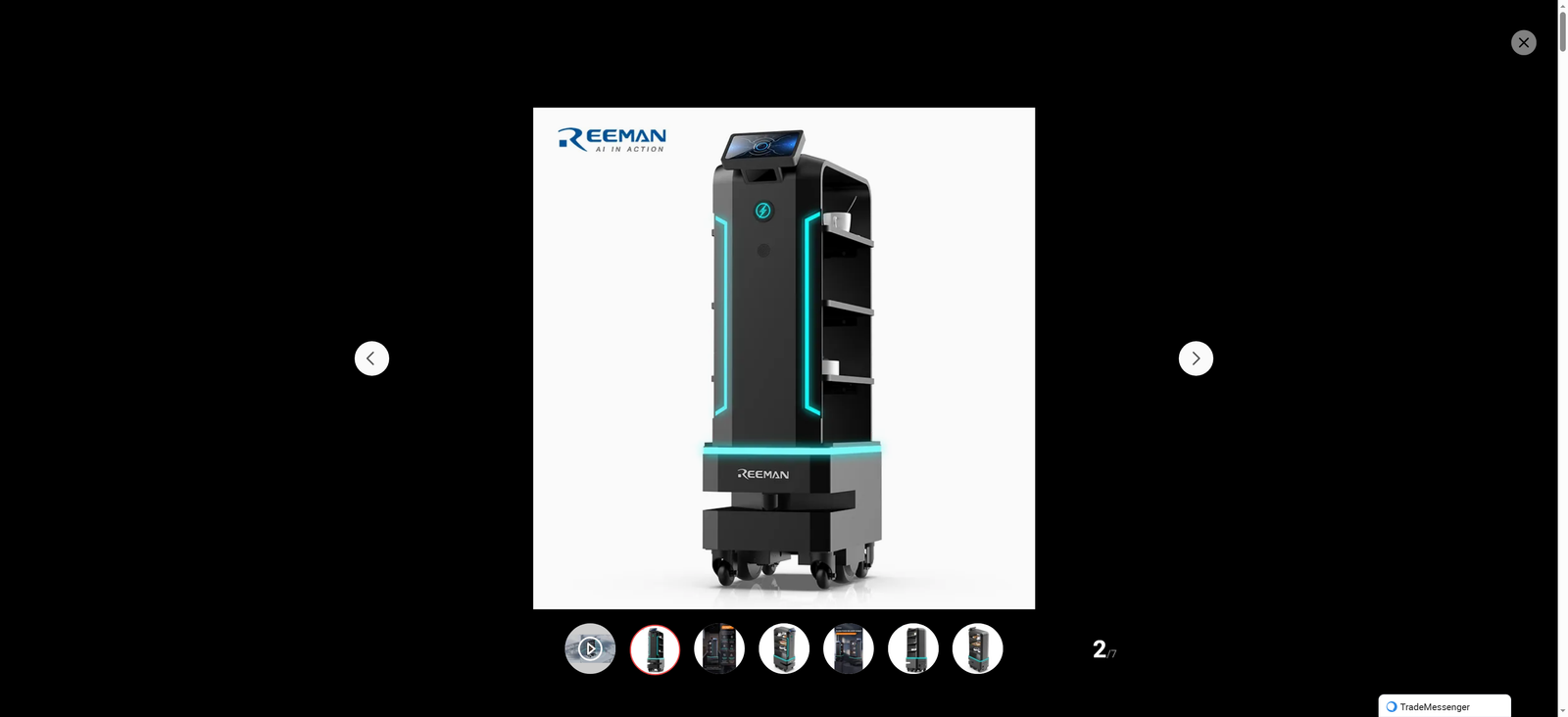
Self-driving delivery robots, at their core, leverage advanced technologies such as computer vision, sensors, and AI algorithms to navigate autonomously in complex environments. Unlike traditional manual delivery, they can seamlessly avoid obstacles, recognize paths, and complete delivery tasks with precision. This technological foundation enables them to adapt to diverse scenarios, making them versatile assets for both restaurants and hotels.
In restaurants, the integration of waiter robots and restaurant delivery robots has addressed long-standing pain points. During peak dining hours, restaurants often face challenges like understaffing, delayed order delivery, and human errors in order taking. Waiter robots step in to handle tasks such as greeting customers, leading them to seats, and taking orders accurately. Equipped with user-friendly interfaces, they allow customers to browse menus, customize orders, and make payments effortlessly, reducing the workload of human staff. Meanwhile, restaurant delivery robots take over the crucial task of delivering food from the kitchen to the tables. With their stable and efficient movement, they ensure that dishes arrive hot and fresh, minimizing the risk of spills or delays. This not only improves the overall dining efficiency but also enhances customer satisfaction by allowing human servers to focus more on providing personalized service, such as explaining menu items or attending to special requests.
The impact of self-driving delivery robots is equally profound in the hotel industry, where hotel food delivery robots are becoming an integral part of the guest experience. Hotels strive to offer prompt and seamless services to their guests, and food delivery is a key component of that. Whether it’s delivering breakfast to a guest’s room, serving snacks during a meeting, or sending late-night meals, hotel food delivery robots can operate 24/7 without fatigue. They can navigate through hotel corridors, take elevators autonomously, and reach the designated room with pinpoint accuracy. Guests simply place their orders through the hotel’s app or phone, and the robot arrives at their door, notifying them via a message or a gentle alert. This contactless delivery method has gained even more popularity in the post-pandemic era, as it reduces human interaction and enhances safety. Moreover, it allows hotel staff to allocate their time to other important tasks, such as front desk services or facility maintenance, improving the overall operational efficiency of the hotel.
Beyond efficiency and convenience, self-driving delivery robots also bring additional benefits to businesses. They help reduce labor costs in the long run, as they can handle repetitive tasks that would otherwise require multiple human employees. They also minimize the risk of human errors, such as wrong orders or delayed deliveries, which can lead to customer complaints. Furthermore, these robots serve as an attraction for tech-savvy customers, especially younger generations, who are drawn to innovative and modern service experiences. Restaurants and hotels that adopt these robots often stand out from their competitors, gaining a competitive edge in the market.
Of course, the widespread adoption of self-driving delivery robots is not without challenges. Issues such as high initial investment, technical maintenance, and adaptability to complex environments (such as crowded spaces or sudden changes in layout) need to be addressed. However, as technology continues to advance, these challenges are gradually being overcome. Manufacturers are constantly improving the performance and affordability of these robots, making them more accessible to small and medium-sized businesses.
In conclusion, self-driving delivery robots—including waiter robots, restaurant delivery robots, and hotel food delivery robots—are transforming the way services are delivered in restaurants and hotels. They enhance efficiency, improve customer experiences, reduce costs, and bring innovation to the service industry. As technology evolves, we can expect these intelligent robots to become even more sophisticated and widespread, integrating more seamlessly into our daily lives. The future of hospitality and food service is undoubtedly intertwined with automation, and self-driving delivery robots are leading the way.