
Robot for Reception and Service: The Rise of Humanoid AI Interactive Service Robots
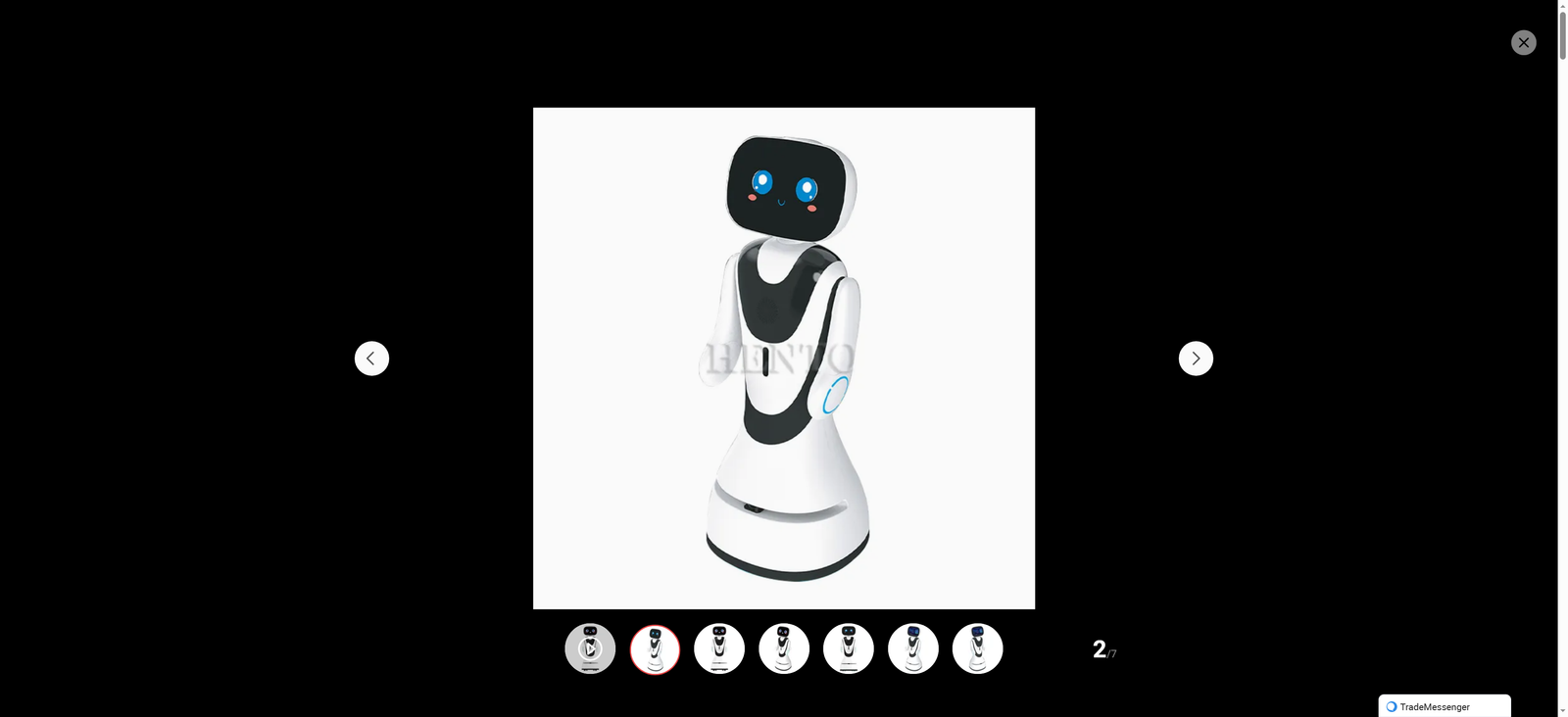
In the era of intelligent transformation, the integration of artificial intelligence and robotics has reshaped the landscape of service industries. Among the various innovative technologies, Robot for Reception and Service, especially Humanoid AI Interactive Service Robots, have emerged as game-changers, bridging the gap between efficiency and humanized experience. These advanced machines are not just tools for automating routine tasks; they are redefining how businesses interact with customers, optimize operations, and build competitive advantages in a fast-evolving market.
A Humanoid AI Interactive Service Robot is essentially an intelligent system that combines human-like physical features with cutting-edge AI capabilities, designed specifically to undertake reception and service-related responsibilities. Unlike traditional service robots with single-function designs, these humanoid robots mimic human body proportions, movements, and even facial expressions, making interactions with humans more natural and intuitive. Equipped with core technologies such as natural language processing (NLP), computer vision, emotional recognition, and autonomous navigation, they can perceive, understand, and respond to human needs in real time, turning passive service into active engagement.
The core strength of Humanoid AI Interactive Service Robots lies in their dual advantages of intelligence and anthropomorphism, which make them versatile across a wide range of reception and service scenarios. In public service fields such as museums, airports, and stadiums, these robots act as professional receptionists and guides: they can greet visitors warmly, provide multilingual explanations of exhibits or facilities, navigate guests to designated locations, and even distribute promotional materials or gifts. For example, in large museums where visitor flows peak on weekends and holidays, humanoid service robots can alleviate the pressure on human staff by delivering consistent, detailed explanations—avoiding the fatigue and information inconsistency that often come with human service. Their 18.5-inch wide-color screens and high-precision voice interaction capabilities also allow them to present information in a more vivid and accessible way, enhancing the visitor experience significantly.
In the hospitality and catering industries, Humanoid AI Interactive Service Robots have become indispensable assistants. Hotels deploy these robots at front desks to handle guest check-in and check-out procedures, carry luggage, and deliver amenities to guest rooms, reducing guest waiting time by up to 30% as reported in some hotel applications. Restaurants use them for greeting customers, leading seats, taking orders, and delivering meals, addressing industry pain points such as high labor costs, high staff turnover, and low service efficiency. What sets these robots apart is their emotional recognition capability: they can detect changes in guests’ facial expressions and tones, adjusting their responses to be more empathetic—for instance, offering comfort to a dissatisfied guest or expressing congratulations to a celebratory group.
Corporate lobbies and retail stores are another key arena for these humanoid service robots. As the first point of contact for visitors, they can manage appointments, send real-time arrival notifications to staff, and answer common inquiries about the company or products, presenting a professional and innovative brand image. In retail settings, they use AI-powered recommendation systems to provide personalized shopping advice based on customers’ preferences, boosting customer retention and sales performance. Their modular design also allows for customization—businesses can modify their appearance, functions, or knowledge bases to align with their brand identity and specific service needs.
Behind the seamless service of Humanoid AI Interactive Service Robots is a combination of advanced technologies. Their perception system, consisting of laser radars, HD cameras, and microphones, enables 360° blind-spot-free environmental awareness, ensuring safe and flexible movement in complex, dynamic spaces. The decision-making system, supported by large language models and action models, allows them to process multi-modal information, generate human-like movements, and respond accurately to complex queries. The execution system, with 40 degrees of freedom and high-torque joints, enables them to perform delicate tasks such as opening doors, carrying items, and even shaking hands, mimicking human movements with remarkable precision.
The widespread adoption of Humanoid AI Interactive Service Robots also brings significant economic and social value. For businesses, they reduce long-term operational costs by replacing repetitive manual labor—eliminating expenses related to staff recruitment, training, and salaries. They also improve service consistency and efficiency, as they can work 24/7 without fatigue, ensuring that customers receive timely service at any time of the day. For society, they address labor shortages in service industries, especially in fields such as elderly care and healthcare, where they can assist with patient guidance, medication delivery, and daily care, easing the burden on human caregivers.
Despite their rapid development, Humanoid AI Interactive Service Robots still face certain challenges. High initial investment costs, technical limitations in handling highly complex or emotional scenarios, and the need for regular maintenance are among the key barriers to widespread adoption. However, with continuous advancements in AI, robotics, and material science, these challenges are gradually being overcome. As technology matures, the cost of production is decreasing, and the robots’ capabilities—such as emotional intelligence, task adaptability, and autonomous learning—are constantly improving. Future iterations may even be able to adapt to more specialized scenarios, such as medical consultations and personalized education, expanding their role beyond reception and basic service.
Looking ahead, the future of Robot for Reception and Service is closely tied to the evolution of humanoid AI technology. As artificial intelligence becomes more sophisticated and robotics more flexible, these robots will become increasingly integrated into our daily lives, transforming service industries from hotels and hospitals to shopping malls and corporate offices. They will not replace human staff but rather complement them, taking over repetitive tasks and allowing humans to focus on more complex, creative, and human-centric aspects of service—such as building emotional connections with customers and solving unique problems.
In conclusion, Humanoid AI Interactive Service Robots represent a new era of intelligent service. By combining human-like interaction with AI-powered efficiency, they are redefining the standards of reception and service, bringing convenience to customers, value to businesses, and innovation to society. As technology continues to advance, these robots will undoubtedly play an increasingly important role in shaping the future of service industries, making intelligent, efficient, and humanized service accessible to all.