
Smart, Intelligent, Efficient Delivery Robot: Transforming the Future of Fast Food and Beverage Services
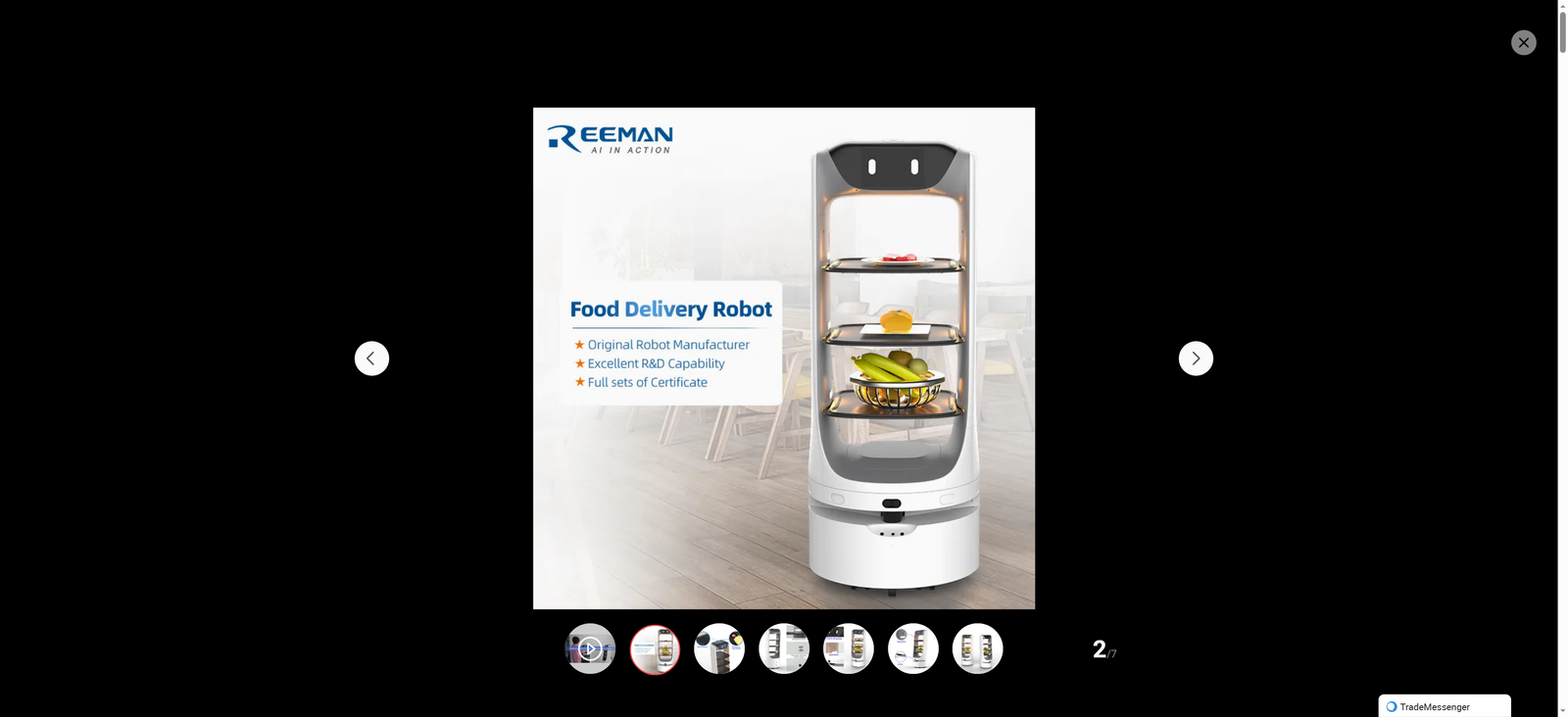
In the fast-paced world of fast food and beverage (F&B) services, speed, accuracy, and customer satisfaction are the cornerstones of success. As urban lifestyles grow busier and consumer expectations for quick, contactless service rise, the industry is undergoing a technological revolution driven by innovation. Among these advancements, smart, intelligent, and efficient delivery robots have emerged as game-changers, redefining how fast food and beverages are delivered—whether within a restaurant, to nearby offices, or directly to customers’ doorsteps. These cutting-edge robots are not just novelty additions; they are practical, value-driven solutions that address the industry’s most pressing challenges, from labor shortages to operational inefficiencies, while elevating the overall customer experience.
At the heart of these delivery robots lies their smart design, which is engineered to seamlessly integrate with the dynamic environment of fast food and beverage operations. Unlike traditional automated machines that follow rigid paths, smart delivery robots are equipped with advanced sensors, real-time connectivity, and adaptive technology that allows them to navigate complex spaces with ease. For instance, in bustling fast-food restaurants or crowded food courts, these robots use laser SLAM technology to create high-precision maps of their surroundings, enabling厘米级 (centimeter-level) positioning and ensuring they never lose their way. They can effortlessly avoid obstacles—whether it’s a busy server, a group of customers, or a spilled drink—by leveraging multi-sensor fusion, including depth cameras and ultrasonic sensors that detect even high-transparent objects like glass or mirrors. This smart navigation ensures that deliveries are not just timely but also safe, reducing the risk of accidents and food spills that can occur with human delivery.
Beyond smart navigation, the intelligent capabilities of these robots set them apart, making them more than just delivery tools—they are collaborative assets that enhance operational efficiency. Powered by artificial intelligence (AI) and machine learning, these robots can learn from their environment and adapt to changing scenarios. For example, they can optimize their delivery routes in real time based on customer demand, peak hours, or unexpected obstacles, ensuring the fastest possible delivery. Many models also feature intelligent interaction functions, such as voice prompts that remind customers to pick up their orders or even introduce menu items, adding a personalized touch to the customer experience. Some advanced robots, like KFC’s Dumi AI robot, are even equipped with voice-controlled ordering capabilities, seamlessly integrating into the ordering and delivery workflow to create a fully digital dining experience. Additionally, these robots can sync with restaurant POS systems and delivery platforms, automatically receiving orders, updating delivery statuses, and alerting staff when supplies are low—eliminating manual errors and streamlining communication.
The third core strength of these robots—efficiency—directly addresses one of the biggest pain points in the fast food and beverage industry: the need to deliver high volumes of orders quickly and accurately, especially during peak hours. Unlike human delivery staff, who may experience fatigue, delays, or errors, delivery robots can operate 24/7 without breaks, maintaining consistent speed and accuracy. For example, Serve Robotics’ third-generation robots, which partner with Little Caesars to deliver pizzas via Uber Eats, feature an expanded cargo bin that can carry four large 16-inch pizzas plus side dishes and beverages, all while maintaining optimal food temperature en route. This means fewer trips and more orders delivered per hour, significantly boosting delivery capacity. In restaurant settings, these robots can reduce customer wait times by up to 30%, as they can deliver multiple orders simultaneously and navigate through crowds faster than human staff. Over the long term, they also reduce operational costs by cutting down on labor expenses—after the initial investment, robots require minimal maintenance and no salaries, insurance, or breaks, making them a cost-effective solution for restaurants facing labor shortages.
The real-world impact of smart, intelligent, efficient delivery robots is already evident across the global fast food and beverage industry. In Los Angeles, customers of Little Caesars can now receive their “Hot-N-Ready” pizzas via Serve Robotics’ autonomous robots, a partnership that has expanded to multiple U.S. cities and is set to become a common sight in neighborhoods. In China, KFC’s deployment of Dumi AI robots has not only attracted new customers but also generated widespread media attention, highlighting how technology can enhance brand appeal. Beyond restaurants, these robots are also transforming last-mile delivery for food delivery platforms, addressing urban logistical challenges like traffic congestion and high delivery costs. Companies like Starship Technologies and Nuro are pioneering the use of these robots in urban areas, making contactless delivery more accessible and sustainable.
As technology continues to advance, the future of smart, intelligent, efficient delivery robots in fast food and beverage services looks even more promising. Future iterations are expected to feature enhanced AI capabilities, such as predictive ordering based on customer preferences, and improved sustainability—with more electric and solar-powered models reducing carbon footprints. Regulatory frameworks are also adapting to accommodate these robots, with regions like California implementing laws that allow them to operate on public streets, paving the way for broader adoption. While challenges remain, such as navigating extreme weather conditions or ensuring public acceptance, the benefits of these robots—improved efficiency, reduced costs, enhanced customer experience, and increased safety—far outweigh the hurdles.
In conclusion, smart, intelligent, efficient delivery robots are not just a technological trend—they are a necessary evolution in the fast food and beverage industry. By combining smart design, intelligent AI capabilities, and unparalleled efficiency, these robots are transforming how restaurants and delivery platforms operate, delivering value to both businesses and customers. For restaurants, they offer a way to streamline operations, reduce costs, and stand out in a competitive market. For customers, they provide faster, safer, and more convenient delivery, enhancing the overall dining experience. As the industry continues to embrace digital transformation, these delivery robots will undoubtedly become an integral part of fast food and beverage services, shaping the future of how we order, receive, and enjoy our favorite meals and drinks.