
The New Era of Catering: Robot Waiters and Servers Shine in Coffee Shops and Restaurants
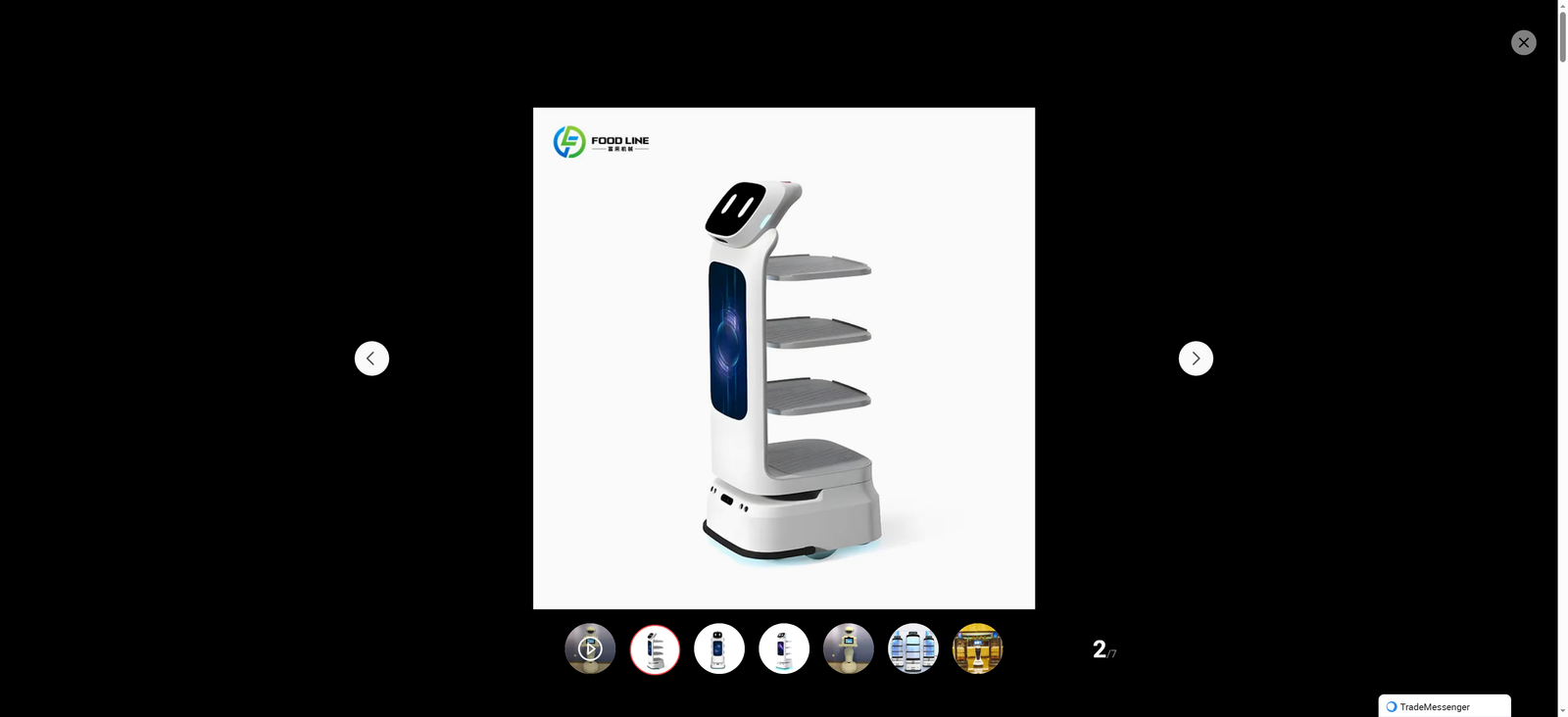
In the wave of technological innovation, the catering industry is undergoing a profound transformation. Among all the changes, the emergence of robot waiters and servers has broken the traditional catering service model, bringing a new experience to coffee shops and restaurants. These intelligent machines, with their precise movements, efficient services and novel forms, are no longer just a "gimmick" to attract customers, but have gradually become an important part of the modern catering service system, redefining the way people dine and relax.
Robot waiters and servers have shown unique advantages in coffee shops, where the pace of service is fast and the demand for details is high. Unlike traditional human servers who may be busy and make mistakes during peak hours, robot servers can operate stably and efficiently. When a customer walks into a robot coffee shop, they can place an order through a touch screen or a mobile app, and the robot will immediately receive the order and send it to the barista accurately. After the coffee is prepared, the robot waiter will pick up the cup carefully—equipped with anti-slip and shock-proof sensors, it can avoid spilling the coffee even when moving at a steady speed. It will then deliver the coffee to the designated table according to the pre-set route, and send a gentle reminder through the built-in voice system. This whole process is fast and orderly, which not only reduces the waiting time of customers, but also relieves the work pressure of human baristas and servers, allowing them to focus more on improving the quality of coffee and providing more personalized services.
In restaurants, especially large-scale chain restaurants or buffet restaurants, robot waiters and servers play a more important role in improving service efficiency and reducing operational costs. For large restaurants with a large number of customers, traditional human service often faces problems such as insufficient staff, uneven service quality, and high labor costs. Robot waiters can work 24 hours a day without rest, without the need for vacation, overtime pay or training costs, which greatly reduces the operating pressure of the restaurant. When customers need to order, the robot waiter can push the electronic menu to the table, and after the customer confirms the order, it will quickly transmit the order information to the kitchen, avoiding the error of manual order transmission. During the meal, if customers need to add dishes, pour water or ask for tableware, they only need to press the call button on the table, and the robot will arrive at the table in a short time to meet their needs. After the meal, the robot server can also take the initiative to clean up the tableware, collect the garbage, and prepare the table for the next customer, which improves the turnover rate of the restaurant.
In addition to efficiency and cost advantages, robot waiters and servers also bring a more novel and interesting dining experience to customers. For children, the cute appearance and flexible movements of robot waiters are full of appeal, making dining a fun activity. For young people who pursue fashion and novelty, taking photos with robot waiters and sharing them on social media has become a new trend, which also brings free publicity to coffee shops and restaurants. Moreover, robot waiters are not affected by emotions, and can always provide standardized and polite services, avoiding the conflicts caused by the bad mood of human servers, and improving customer satisfaction and loyalty.
Of course, robot waiters and servers are not perfect, and they still have some limitations that need to be improved. For example, they currently lack the ability to deal with complex and unexpected situations—if a customer has special dietary needs or accidentally spills food, robot waiters may not be able to respond flexibly like human servers. In addition, the initial investment cost of robot equipment is relatively high, which may be a burden for small and medium-sized coffee shops and restaurants. However, with the continuous progress of science and technology and the reduction of production costs, these problems will be gradually solved.
Looking to the future, the combination of robot waiters, servers and the catering industry will become more and more close. With the development of artificial intelligence and big data technology, robot waiters will become more intelligent—they will be able to remember customers' dining habits, recommend suitable dishes or drinks according to their preferences, and even have simple emotional communication with customers. They will not replace human servers, but will form a complementary relationship with them: robots are responsible for tedious, repetitive and mechanical work, while humans are responsible for providing personalized, emotional and complex services. This new service model will not only improve the operational efficiency and service quality of coffee shops and restaurants, but also promote the high-quality development of the entire catering industry.
In conclusion, robot waiters and servers have brought a new vitality to coffee shops and restaurants with their unique advantages. They are not only a symbol of technological progress, but also a new direction for the transformation and upgrading of the catering industry. As technology continues to innovate, we have reason to believe that robot waiters and servers will play a more important role in the future catering field, bringing a better dining experience to people and creating more value for the catering industry.