
Robot Server for Hotel & Restaurant: Transforming Dish Recycle and Service Delivery
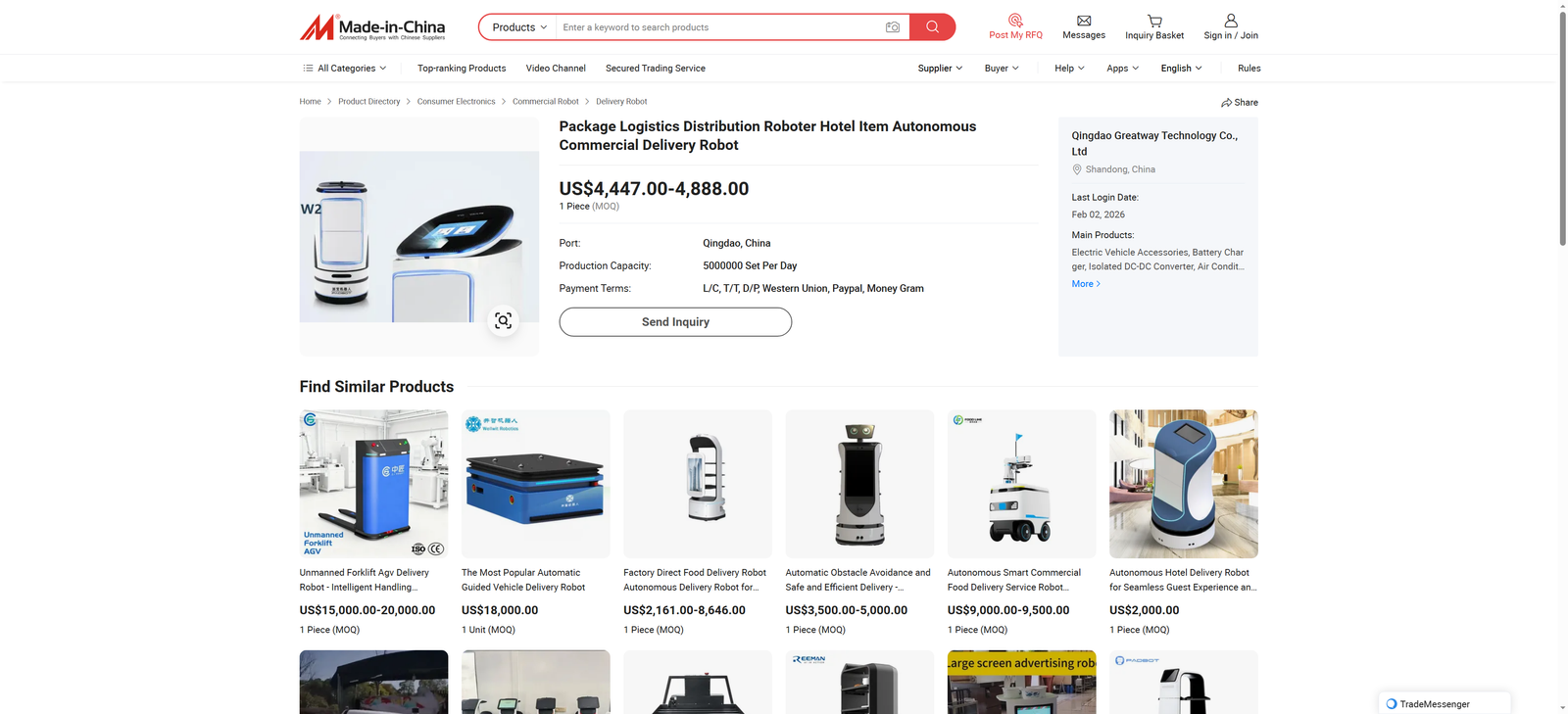
In the fast-paced world of hospitality and catering, efficiency, hygiene, and cost-effectiveness have become the core pillars of sustainable operation. As hotels and restaurants grapple with rising labor costs, labor shortages, and evolving customer expectations for a seamless dining experience, the integration of intelligent technologies has emerged as a game-changing solution. Among these innovations, the Robot Server for Hotel Restaurant Dish Recycle Service Delivery stands out as a versatile and indispensable tool, redefining how food service and post-meal cleanup are conducted. This intelligent robot server is not merely a novelty; it is a strategic investment that bridges operational gaps, enhances service quality, and aligns businesses with the trend of smart hospitality.
The Robot Server for Hotel Restaurant Dish Recycle Service Delivery is a next-generation autonomous service robot specifically designed to adapt to the dynamic environments of hotels and restaurants. Unlike traditional single-function robots, it integrates two critical operational tasks—food service delivery and used dish recycling—into a single, efficient unit, making it a multi-functional asset for any hospitality establishment. Equipped with advanced technologies such as trackless laser navigation, multi-sensor obstacle avoidance, and AI-driven interaction capabilities, this robot server navigates seamlessly through crowded dining halls, narrow corridors, and busy kitchen areas, ensuring reliable and consistent performance throughout the day.
At the heart of its functionality lies a sophisticated navigation and control system that enables autonomous operation without the need for human intervention. The robot utilizes a fusion of laser radar, infrared, and ultrasonic sensors to achieve high-precision trackless navigation, eliminating the need for fixed markers or ceiling stickers and allowing it to move freely in dynamic environments. Its real-time obstacle avoidance system detects moving objects—such as diners, staff, or other equipment—and automatically stops, alerts nearby personnel, and resumes movement once the path is clear, ensuring safety and preventing collisions. Additionally, the robot is equipped with an autonomous charging feature: when its lithium battery runs low (typically after 8–12 hours of continuous operation), it automatically returns to its charging dock, requiring only 2–3 hours to fully recharge, thus guaranteeing uninterrupted service throughout peak dining hours.
In terms of dish recycle service, the robot server addresses one of the most labor-intensive and time-consuming tasks in restaurants and hotels. After diners finish their meals, the robot can be summoned via a pager system, voice command, or touch screen, or it can conduct scheduled patrols to identify tables with used dishes. Equipped with multi-sensor synchronous detection and image analysis technology, it accurately identifies used plates, bowls, and cutlery, allowing diners to place their used items on its customizable trays with ease. With a high payload capacity—some models can carry up to 60 kg or multiple large trays—the robot can collect dishes from multiple tables in a single trip before autonomously returning to the kitchen or dishwashing area, where staff can empty its trays in one go. This not only reduces the workload of waitstaff, who can then focus on more customer-centric tasks such as order taking and service, but also improves restaurant hygiene by minimizing the time used dishes spend on tables, reducing odors and the risk of contamination.
Complementing its dish recycling capabilities, the robot server also excels in food service delivery. It can accurately deliver prepared dishes, drinks, and even room service orders to designated tables or hotel rooms, using precision sensors to ensure stable movement and prevent spillage—even on uneven surfaces—thanks to its advanced shock absorption system. The robot’s 13.3-inch capacitive touch screen allows staff to input delivery destinations, and some models support AI voice interaction, enabling it to introduce dishes, promote daily specials, or respond to basic customer inquiries, enhancing the overall dining experience for guests. For hotel settings, this dual functionality is particularly valuable: the robot can deliver room service meals to guests’ rooms and then collect the used dishes once the meal is finished, creating a closed-loop service that improves efficiency and guest satisfaction.
The adoption of the Robot Server for Hotel Restaurant Dish Recycle Service Delivery also brings significant economic and operational benefits to hospitality businesses. In an industry where labor costs continue to rise and employee turnover is high, the robot serves as a cost-effective alternative to additional staff, reducing overtime expenses and minimizing the need for temporary or contractual workers. A case study from a senior living facility, for example, reported a significant reduction in overtime costs after implementing similar robot servers, with overtime expenses dropping from $13,800 to $7,145 in a single month. Moreover, the robot’s consistent performance eliminates human errors such as delayed dish collection or incorrect deliveries, improving operational efficiency and reducing customer complaints. By streamlining dish recycling and food delivery processes, the robot also helps increase table turnover rates, allowing restaurants to serve more customers and boost revenue during peak hours.
Hygiene and sustainability are additional key advantages of this robot server, particularly in the post-pandemic era where diners prioritize contactless service and clean environments. The robot’s contactless dish collection and delivery minimize human interaction, reducing the spread of germs and enhancing safety for both diners and staff. Many models feature waterproof and dustproof designs (such as IP67 or IPX5 protection levels), making them easy to clean and maintain, further supporting hygiene standards in food service areas. Additionally, by streamlining dish recycling and reducing food waste through efficient collection, the robot contributes to the sustainability goals of hotels and restaurants, aligning businesses with eco-friendly practices that are increasingly valued by consumers and regulators alike.
Looking ahead, the Robot Server for Hotel Restaurant Dish Recycle Service Delivery is poised to become an integral part of the smart hospitality ecosystem. As technology advances, future iterations are likely to incorporate more advanced AI capabilities, such as predictive analytics to anticipate peak dining times and adjust patrol schedules accordingly, or integration with restaurant management systems to sync with order status and inventory levels. The robot’s design may also become more customizable, allowing hotels and restaurants to brand it with their logos or adjust its size and tray configuration to fit their specific needs. With the hospitality industry continuing to evolve, the adoption of such intelligent robots will no longer be a competitive advantage but a necessity for businesses looking to stay efficient, cost-effective, and customer-centric.
In conclusion, the Robot Server for Hotel Restaurant Dish Recycle Service Delivery represents a transformative innovation in the hospitality and catering industry. By integrating food service delivery and dish recycling into a single, autonomous unit, it addresses critical operational challenges—labor shortages, rising costs, and hygiene concerns—while enhancing the overall customer experience. Its advanced navigation, high capacity, and user-friendly features make it a versatile asset for hotels and restaurants of all sizes, from small cafes to large luxury resorts. As the hospitality industry embraces digital transformation, this robot server stands as a testament to how technology can elevate efficiency, sustainability, and service quality, paving the way for a smarter, more efficient future of food service.