
5G-Connected Floor Scrubber Robot for Smart Factories 3D Obstacle Avoidance
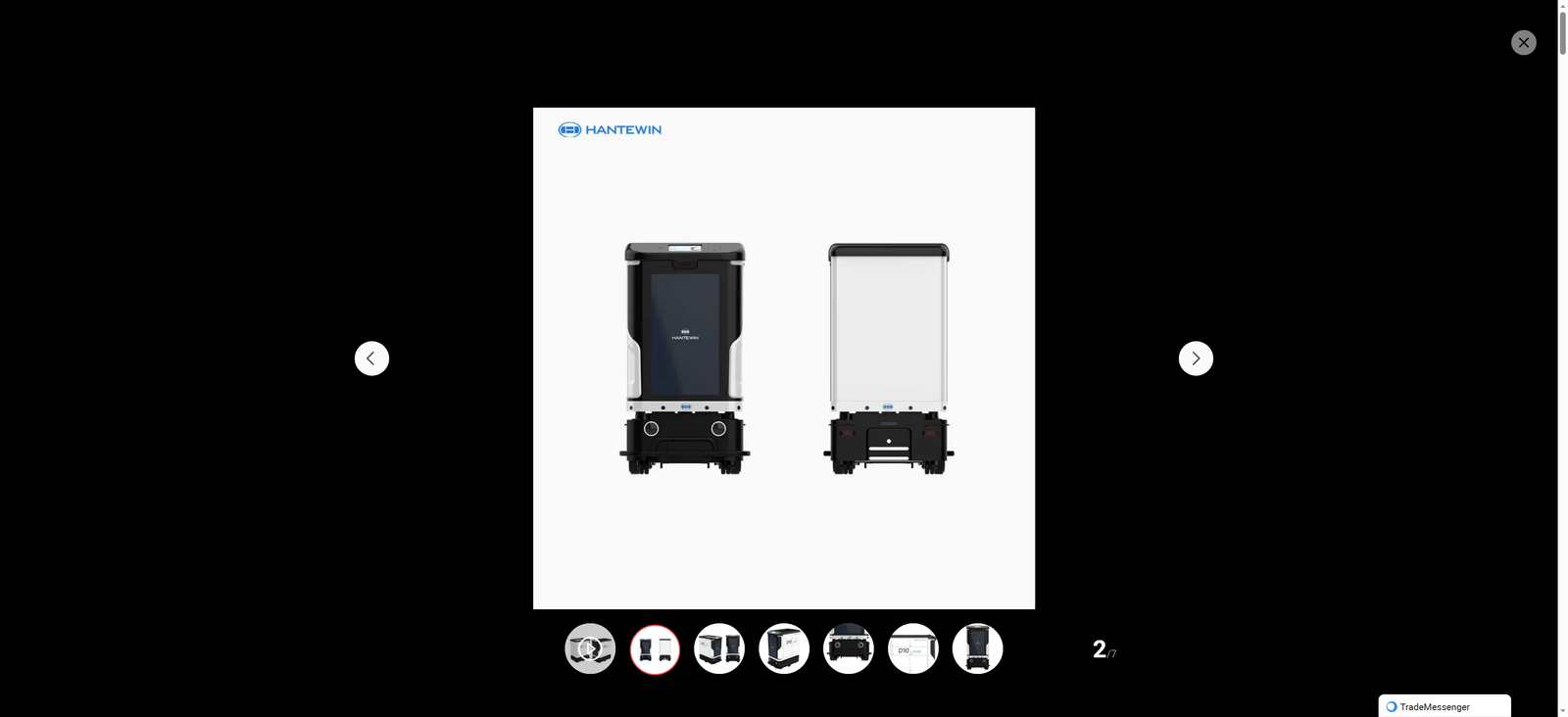
In the era of Industry 4.0, smart factories are evolving at an unprecedented pace, driven by the integration of advanced technologies such as 5G, artificial intelligence (AI), and robotics. Among the various intelligent equipment transforming factory operations, the 5G-connected floor scrubber robot with 3D obstacle avoidance has emerged as a game-changer in industrial cleaning. This innovative solution addresses the long-standing challenges of traditional factory cleaning, combining high-speed connectivity, precise environmental perception, and fully autonomous operation to redefine efficiency, safety, and sustainability in smart factory maintenance.
Traditional factory floor cleaning relies heavily on manual labor or basic automated scrubbers, which are plagued by inefficiencies and limitations. Manual cleaning is time-consuming, labor-intensive, and prone to human error, especially in large-scale manufacturing facilities with complex layouts, heavy machinery, and constant workflow interruptions. Basic automated scrubbers, on the other hand, often lack advanced navigation capabilities, leading to collisions with equipment, uneven cleaning, and the need for constant human supervision. As smart factories pursue lean production and zero downtime, there is an urgent demand for a cleaning solution that can adapt to dynamic industrial environments while minimizing human intervention—and the 5G-connected floor scrubber robot with 3D obstacle avoidance is designed to meet this need.
The core advantage of this robotic solution lies in its seamless integration of 5G connectivity, which serves as the "neural network" enabling real-time data transmission and remote control. Unlike 4G or Wi-Fi, 5G offers ultra-low latency (as low as 1ms), high bandwidth, and massive device connectivity—critical features for smart factory applications. For floor scrubber robots, 5G connectivity ensures that real-time data from onboard sensors, cameras, and cleaning modules is transmitted instantly to a central management platform, allowing factory managers to monitor cleaning progress, adjust schedules, and troubleshoot issues remotely, regardless of their location. This not only reduces the need for on-site supervision but also enables coordinated operation of multiple robots, optimizing cleaning coverage and efficiency in large factories covering thousands of square meters.
Complementing the 5G connectivity is the robot’s advanced 3D obstacle avoidance technology, a key differentiator that ensures safe and efficient operation in complex factory environments. Unlike traditional 2D obstacle avoidance systems that only detect objects on a single plane, 3D obstacle avoidance leverages a fusion of multi-sensor technologies—including 3D LiDAR, RGB cameras, IMU (Inertial Measurement Unit), and ultrasonic sensors—to create a comprehensive 3D map of the surrounding environment. This allows the robot to detect and identify obstacles of all shapes and sizes, from large machinery and pallets to small items such as tools, cables, and even low-lying obstacles that 2D systems might miss. The robot’s AI-powered deep learning algorithm analyzes the 3D environmental data in real time, enabling it to make rapid decisions: it can bypass obstacles, adjust its cleaning path dynamically, and even pause or redirect if it encounters an unexpected barrier, ensuring zero collisions and preventing damage to both the robot and factory equipment.
The 3D obstacle avoidance technology also enhances the robot’s adaptability to dynamic factory environments. Smart factories are bustling with activity—workers moving between stations, forklifts transporting materials, and temporary obstacles such as maintenance equipment or storage boxes. The robot’s 3D sensors can detect moving objects in real time, adjusting its speed and path to avoid collisions, while its ability to update the environmental map continuously ensures that it adapts to changes in the factory layout, such as rearranged machinery or new workstations. This level of adaptability is crucial for maintaining consistent cleaning standards without disrupting the factory’s production workflow.
Beyond connectivity and obstacle avoidance, the 5G-connected floor scrubber robot is equipped with a range of features tailored to the unique needs of smart factories. It integrates multiple cleaning functions—including scrubbing, sweeping, dust mopping, and even UV sterilization—into a single solution, eliminating the need for multiple cleaning devices and reducing operational costs. The robot’s large-capacity fresh water and sewage tanks, combined with a multi-stage water recycling system, reduce freshwater consumption by up to 80%, aligning with the green production goals of modern smart factories. It also supports automatic self-docking for charging and water refilling, enabling 24/7 uninterrupted operation with minimal human intervention, which is ideal for factories operating on multi-shift schedules.
The adoption of 5G-connected floor scrubber robots with 3D obstacle avoidance is also driven by the growing emphasis on workplace safety and sustainability in smart factories. Manual cleaning in factories often involves working in hazardous areas, such as near heavy machinery, high-voltage equipment, or chemical storage zones, putting workers at risk of accidents. By automating these cleaning tasks, the robot eliminates the need for workers to enter high-risk areas, improving workplace safety and reducing the incidence of work-related injuries. Additionally, the robot’s energy-efficient design, water recycling system, and use of eco-friendly cleaning agents reduce the factory’s carbon footprint, supporting global sustainability initiatives and aligning with the green transformation trends in the industrial sector.
From a market perspective, the demand for such intelligent cleaning robots is growing rapidly, fueled by the expansion of the industrial cleaning robot industry. The global industrial cleaning robot market is projected to exceed $144.3 billion by 2025, with smart factories in automotive manufacturing, electronic semiconductor, and新能源汽车 industries leading the adoption due to their large-scale facilities and high cleaning requirements. The 5G-connected models with 3D obstacle avoidance are gaining traction in the high-end market, as they offer a higher return on investment (ROI) by reducing labor costs, minimizing equipment damage, and improving cleaning efficiency—factors that are critical for factory managers focused on optimizing operational performance.
Looking ahead, the evolution of 5G-connected floor scrubber robots with 3D obstacle avoidance will continue to be driven by technological advancements. The integration of digital twin technology will allow factory managers to simulate cleaning processes and optimize robot schedules before deployment, further improving efficiency. Advances in AI and machine learning will enhance the robot’s ability to recognize and classify obstacles, enabling it to distinguish between harmless items (such as a worker’s tool) and critical obstacles (such as a forklift), and make more intelligent navigation decisions. Additionally, the ongoing国产化 of core components—such as驱控一体化 systems and high-precision sensors—will reduce production costs, making these advanced robots more accessible to small and medium-sized smart factories.
In conclusion, the 5G-connected floor scrubber robot with 3D obstacle avoidance represents a significant leap forward in smart factory maintenance. By combining the ultra-reliable, high-speed connectivity of 5G with the precise environmental perception of 3D obstacle avoidance technology, this robot addresses the key pain points of traditional factory cleaning—inefficiency, safety risks, and operational disruptions. It enables smart factories to achieve fully autonomous, coordinated, and sustainable cleaning, while reducing costs, improving workplace safety, and supporting lean production goals. As 5G and AI technologies continue to mature, and as smart factories become increasingly prevalent, the 5G-connected floor scrubber robot with 3D obstacle avoidance will undoubtedly become an indispensable tool in the smart factory ecosystem, driving greater efficiency, sustainability, and innovation in industrial operations.