
New Custom Fully Intelligent Hospital Delivery Robot: Revolutionizing Healthcare Logistics with Automatic Return Charging and Trackless Technology
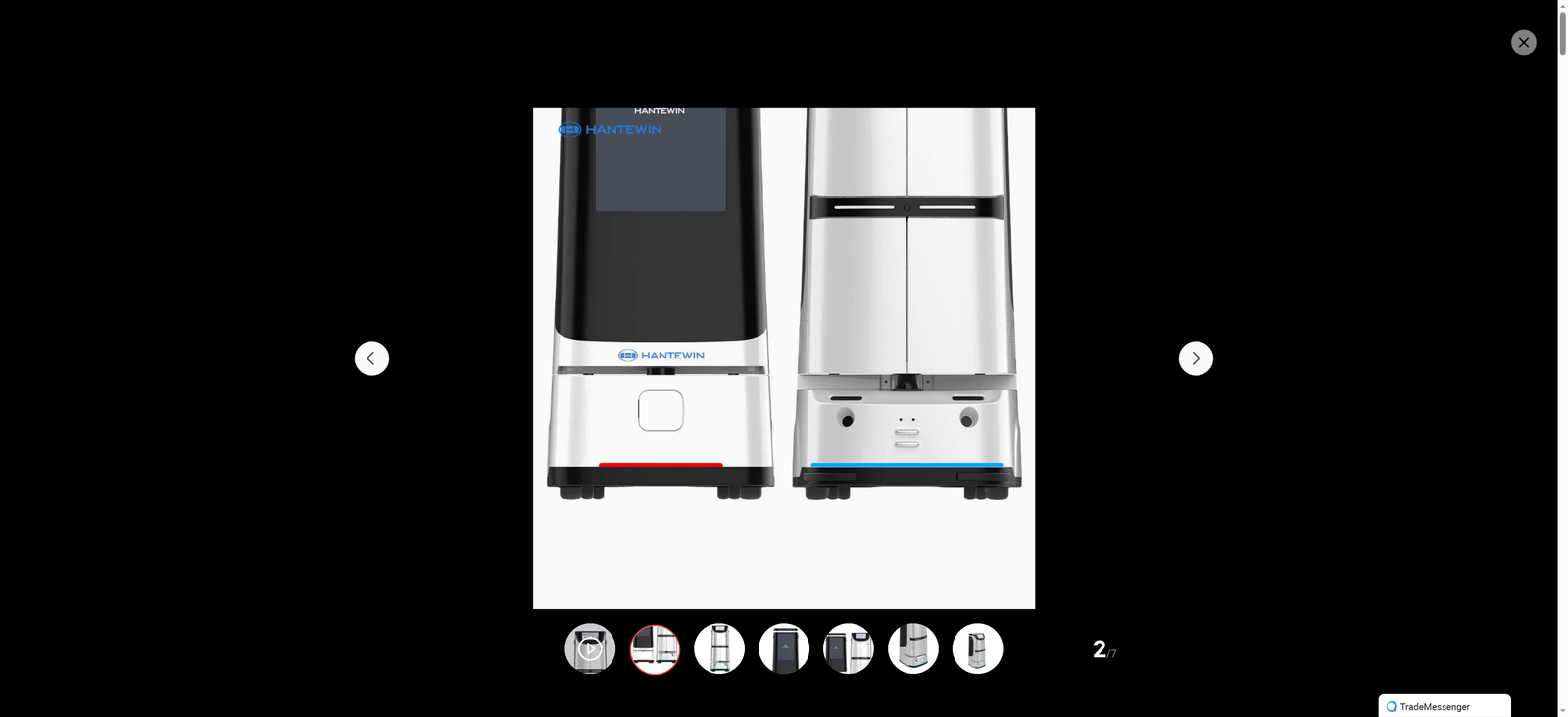
In the fast-paced and high-stakes environment of modern healthcare, efficiency, accuracy, and safety are the cornerstones of quality patient care. Every minute saved in logistics operations translates to more time healthcare professionals can dedicate to direct patient support. Addressing the long-standing challenges of traditional hospital delivery—such as high labor costs, human error, cross-contamination risks, and inefficient resource allocation—the new custom fully intelligent hospital delivery robot emerges as a transformative solution. Equipped with automatic return charging and trackless navigation technology, this advanced service robot is redefining healthcare logistics, making it smarter, more reliable, and more adaptable than ever before.
At the core of this innovation is its fully intelligent system, which integrates cutting-edge artificial intelligence (AI), machine learning, and multi-sensor fusion technology to enable autonomous operation without constant human supervision. Unlike conventional delivery robots that require pre-installed tracks or manual guidance, this trackless service robot leverages 3D laser radar, RGBD depth cameras, and ultrasonic sensors to perceive its surroundings in real time, achieving centimeter-level positioning accuracy. This trackless design eliminates the need for costly and inflexible track installation, allowing the robot to adapt seamlessly to dynamic hospital environments—whether navigating narrow corridors, avoiding moving pedestrians and medical equipment, or moving between different floors via automatic elevator integration. It can be custom-programmed to recognize specific hospital layouts, including operating rooms, pharmacies, laboratories, patient wards, and supply storage areas, ensuring precise and efficient delivery to any designated location.
A key highlight of this new hospital delivery robot is its automatic return charging function, which solves the critical problem of operational downtime and manual charging labor. Built with an intelligent power management system, the robot continuously monitors its battery level during operation. When the power drops to a preset threshold—typically 20-30%—the robot automatically suspends its current task (after safely storing or delivering the items it carries) and navigates to the nearest charging station independently. The charging process is fully automated: the robot aligns with the charging port with high precision, initiates charging, and once fully charged, it returns to its last working position to resume the pending task or stands by for new delivery instructions. This feature ensures 24/7 uninterrupted operation, a vital requirement for hospitals where logistics needs never cease—whether during daytime peak hours, late nights, or holidays. Additionally, the automatic return charging function extends the robot’s service life by preventing over-discharging and optimizing battery performance over time.
As a custom fully intelligent service robot, it is designed to meet the diverse and specialized needs of different healthcare facilities. Hospitals vary in size, layout, and delivery requirements—some may prioritize the transportation of medications and sterile supplies, while others need to handle laboratory samples, blood products, medical waste, or patient meals. This robot can be customized with modular cabins of varying sizes and configurations: for example, temperature-controlled cabins for transporting sensitive items like vaccines or blood plasma, sealed cabins with UV disinfection functions to prevent cross-contamination of medical supplies, or multi-compartment cabins for simultaneous delivery to multiple departments. It also supports custom authentication methods, such as IC card swiping or fingerprint verification, to ensure that only authorized personnel can access the delivered items, enhancing security and traceability.
In practical application, this intelligent hospital delivery robot delivers tangible benefits to healthcare facilities, medical staff, and patients alike. For hospitals, it significantly reduces labor costs associated with manual delivery, as a single robot can replace multiple human logistics workers and operate continuously without fatigue or errors. It also minimizes the risk of cross-contamination by reducing human contact with medical supplies, samples, and sterile equipment—a crucial advantage in infection control, especially in post-pandemic healthcare settings. For medical staff, the robot takes over tedious, time-consuming delivery tasks, freeing up nurses, pharmacists, and laboratory technicians to focus on their core responsibilities, such as patient care, diagnosis, and treatment. For patients, the robot ensures faster delivery of medications, test results, and essential supplies, improving the overall quality and timeliness of care.
Beyond its core delivery capabilities, the robot’s fully intelligent system enables advanced connectivity and management. It can be integrated with a hospital’s existing intelligent management platform, allowing administrators to monitor the robot’s real-time location, working status, battery level, and delivery tasks through a centralized dashboard. Multiple robots can be deployed simultaneously and coordinated through the platform to handle peak delivery demands, such as during morning medication rounds or surgical preparation, with intelligent task allocation to avoid congestion and optimize efficiency. The robot also features video recording and data logging functions, which track every delivery process for easy traceability—helping resolve disputes, improve accountability, and analyze logistics workflows for further optimization.
Looking ahead, the new custom fully intelligent hospital delivery robot—with its automatic return charging and trackless technology—is poised to play an increasingly pivotal role in the digital transformation of healthcare logistics. As AI and robotics technology continue to advance, future iterations of the robot may incorporate additional intelligent features, such as voice interaction for easier task assignment, predictive analytics to anticipate delivery needs, and integration with telemedicine systems to support remote patient care. It may also expand its application scope to cover more specialized healthcare scenarios, such as transporting radioactive materials in nuclear medicine departments or assisting with emergency supplies delivery during crises.
In conclusion, the new custom fully intelligent hospital delivery robot represents a significant leap forward in healthcare logistics innovation. Its trackless design ensures flexibility and adaptability to complex hospital environments, while its automatic return charging function guarantees uninterrupted 24/7 operation. By combining full intelligence, customization, and advanced connectivity, this service robot not only solves the practical pain points of traditional hospital delivery but also elevates the overall efficiency, safety, and quality of healthcare services. As more hospitals embrace intelligent automation, this robot is set to become an indispensable helper in modern healthcare facilities, transforming the way logistics are managed and freeing up medical professionals to focus on what matters most—caring for patients.