
Michelin-Level Efficiency: AI Waiters and Delivery Robots Redefine Upscale Hotel Dining
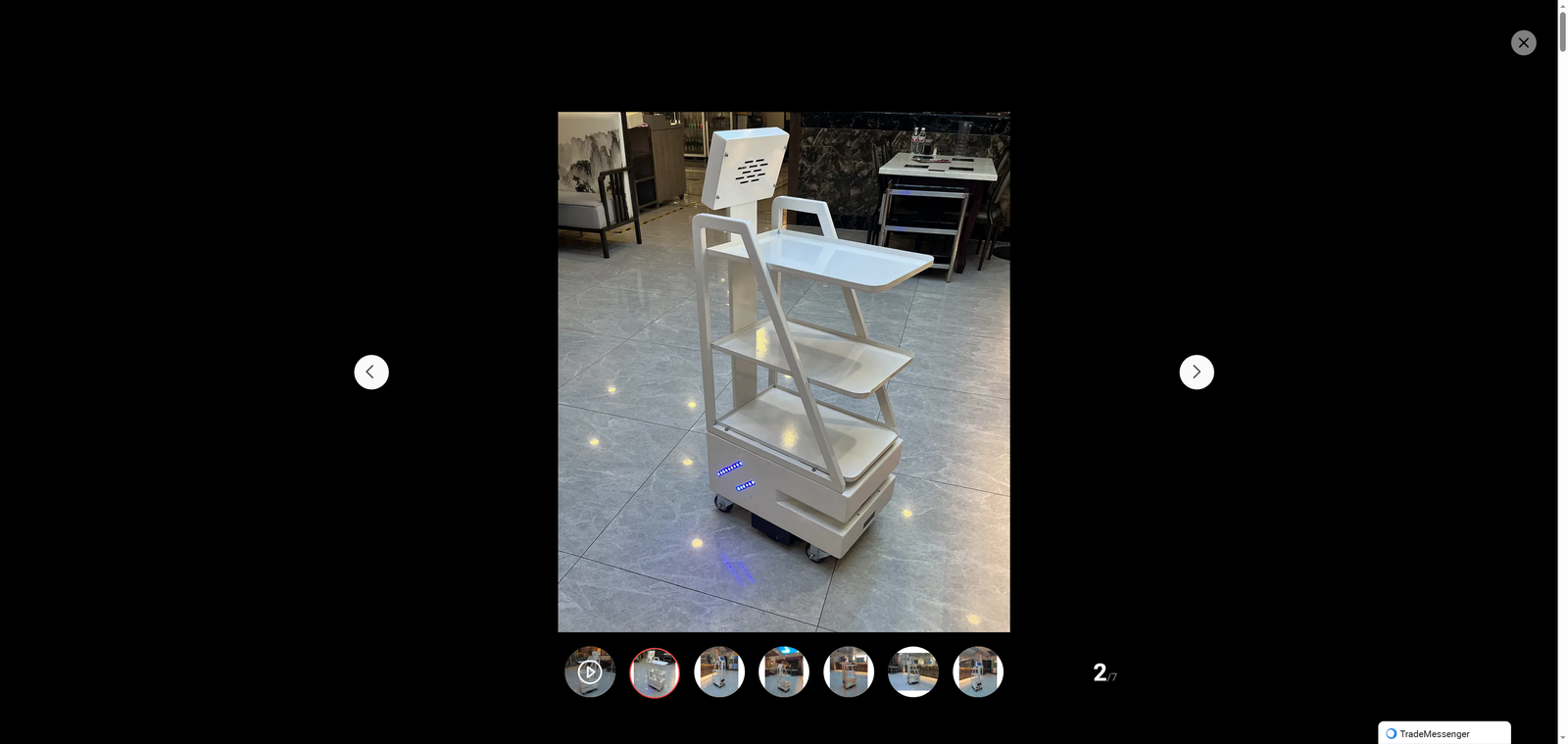
In the realm of upscale hotel dining, where excellence is not just an expectation but a standard, the pursuit of Michelin-level quality extends far beyond the plate. It encompasses every touchpoint of the guest experience—from the warmth of greeting to the precision of service, and above all, the seamless efficiency that makes luxury feel effortless. Today, a new wave of innovation is reshaping this landscape: AI waiters and dish delivery robots are no longer futuristic concepts but integral partners in delivering the meticulous service that defines high-end hospitality, merging cutting-edge technology with time-honored elegance to achieve a new pinnacle of Michelin-level efficiency.
Upscale hotel dining has long been synonymous with personalized, attentive service. For decades, human waitstaff have been the backbone of this experience, leveraging their expertise to anticipate guests’ needs, offer nuanced recommendations, and ensure every detail is flawless. However, as the demands of luxury dining evolve—with guests seeking both intimacy and immediacy, customization and consistency—traditional service models face inherent limitations. Peak hours can stretch staff thin, leading to delays in order taking or dish delivery; human error, though rare, can disrupt the seamless flow of a meal; and even the most skilled waiters may struggle to keep pace with the ever-expanding knowledge of wine lists, dietary restrictions, and seasonal menus. It is here that AI waiters and delivery robots step in, not to replace human service, but to enhance it—filling gaps in efficiency while elevating the quality of personalization.
AI waiters represent the intersection of technological intelligence and human-centric service. Unlike conventional automated systems, these AI-powered assistants are designed to mimic the warmth and adaptability of human waitstaff, while bringing unparalleled precision and efficiency to every interaction. Equipped with advanced natural language processing (NLP) capabilities, they can engage in fluid, conversational exchanges with guests—understanding accents, interpreting subtle requests, and even responding to playful banter. For example, a guest inquiring about vegan options will not only receive a list of dishes but also detailed information about ingredient sources, preparation methods, and potential substitutions, all tailored to their preferences. AI waiters can also recall guest histories—storing preferences like favorite wines, seating choices, or dietary restrictions—ensuring returning guests feel recognized and valued, a hallmark of Michelin-starred service.
Beyond guest interactions, AI waiters revolutionize backend efficiency. They seamlessly integrate with the hotel’s POS system, kitchen display screens, and inventory management software, ensuring orders are transmitted instantly and accurately to the kitchen. This eliminates the risk of miscommunication between front and back of house, a common cause of delays in high-end dining. Moreover, AI waiters can optimize table turns without compromising the guest experience—calculating ideal timing for order taking, course delivery, and bill presentation based on the pace of the meal, guest behavior, and kitchen capacity. During peak hours, they can handle multiple tables simultaneously, freeing up human waitstaff to focus on high-touch interactions—like table-side preparations, wine pairings, or resolving complex requests—that require emotional intelligence and expertise. This synergy between AI and human staff creates a service model that is both efficient and empathetic, a key driver of Michelin-level excellence.
Complementing AI waiters, dish delivery robots bring a new level of precision and consistency to the final stage of the dining experience—getting food from the kitchen to the table in perfect condition. For upscale hotels, where presentation is as important as taste, maintaining the integrity of a dish during delivery is non-negotiable. A perfectly seared steak must arrive at the table hot, with a crisp crust and tender interior; a delicate dessert must retain its shape and temperature, free from spills or smudges. Traditional delivery by human staff, while reliable, carries inherent risks—jostling from busy aisles, delays from detours to assist other tables, or accidental temperature loss from holding plates for too long. Dish delivery robots eliminate these risks with engineered precision.
Designed with sleek, minimalist aesthetics that blend seamlessly with upscale dining environments—think polished metallic finishes, soft ambient lighting, and quiet motors—these robots navigate dining rooms with remarkable agility. Equipped with 3D cameras, LiDAR sensors, and advanced path-planning algorithms, they can detect obstacles in real time, adjust their routes to avoid collisions with guests or staff, and even navigate narrow aisles and crowded spaces with ease. Their temperature-controlled compartments ensure hot dishes stay warm and cold dishes stay chilled, preserving the chef’s intended flavors and textures. Some models even feature vibration-dampening technology, ensuring delicate dishes like soufflés or tartares arrive stable and intact. What’s more, delivery robots operate 24/7 without fatigue, maintaining consistent speed and precision even during the busiest dinner services—ensuring every guest receives their meal exactly when it’s ready, in perfect condition.
The integration of AI waiters and dish delivery robots in upscale hotel dining is not just about efficiency—it’s about redefining luxury. Michelin-level service is built on the idea that every detail, no matter how small, contributes to the overall experience. AI-powered tools enhance these details: AI waiters provide hyper-personalized recommendations based on guest preferences and seasonal trends; delivery robots ensure dishes are presented exactly as the chef intended, every time; and the synergy between technology and human staff creates a seamless flow that allows guests to fully immerse themselves in the meal, without distractions from delays or errors. This level of consistency and precision is what sets Michelin-starred dining apart—and what AI and robotics now make accessible to upscale hotels worldwide.
Critics may argue that technology could strip high-end dining of its human touch, but the reality is quite the opposite. By handling repetitive, time-consuming tasks—like taking orders, delivering dishes, or updating inventory—AI waiters and robots free up human staff to focus on what they do best: building connections with guests, sharing their passion for food and wine, and creating memorable moments. A human sommelier can still guide guests through a rare wine selection with expertise and enthusiasm; a chef can still make a table-side appearance to explain a signature dish; a host can still greet guests with a warm smile and personal welcome. Technology simply takes care of the logistical heavy lifting, allowing human talent to shine brighter.
As the hospitality industry continues to evolve, the role of AI and robotics in upscale dining will only grow. Future iterations of AI waiters may incorporate facial recognition to greet guests by name, or use machine learning to predict guest needs before they even ask—like offering a refill before a glass is empty, or suggesting a digestif after a heavy meal. Delivery robots may become even more integrated with kitchen operations, picking up dishes directly from the pass and delivering them to tables in sync with the meal’s progression. Whatever the future holds, one thing is clear: Michelin-level efficiency is no longer just about human expertise—it’s about the harmonious blend of human skill and technological innovation.
In the end, upscale hotel dining is about creating moments of joy, indulgence, and connection. AI waiters and dish delivery robots are not just tools—they are enablers, helping hotels deliver on the promise of luxury with greater efficiency, consistency, and personalization. By embracing these technologies, upscale hotels are not just keeping pace with the times—they are redefining what it means to deliver Michelin-level service in the 21st century. For guests, this means a dining experience that is both seamless and heartfelt, efficient and elegant—a true celebration of food, service, and innovation.