
Robots Automatic Navigation Remote Control Food Truck: Transforming Dining Services in Restaurants and Hotels
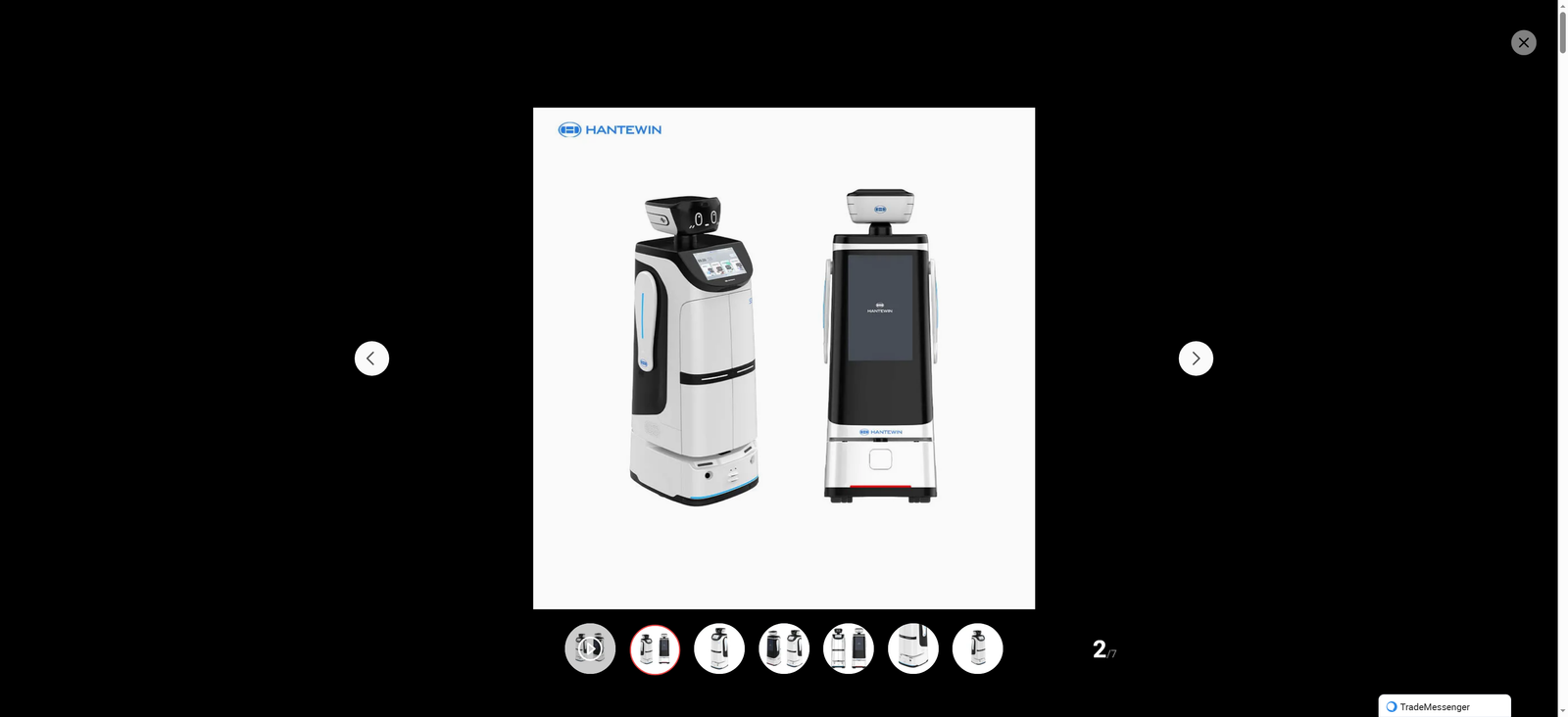
In the era of intelligent hospitality and catering innovation, the integration of automatic navigation and remote control technologies into food trucks has emerged as a game-changer, redefining service efficiency, customer experience, and operational flexibility for restaurants and hotels worldwide. Unlike traditional food service models that rely heavily on manual labor and fixed service areas, robots automatic navigation remote control food trucks combine the mobility of food trucks with the precision of intelligent robotics, creating a versatile solution that adapts seamlessly to the dynamic needs of dining and hospitality venues.
At the core of these innovative food trucks lies advanced automatic navigation technology, which eliminates the need for manual driving and ensures precise, safe movement within complex indoor and outdoor environments. Equipped with laser SLAM, 3D cameras, and multi-sensor fusion algorithms, these robotic food trucks can scan their surroundings in real time, build accurate spatial maps, and plan optimal routes to avoid obstacles—whether it’s diners in a crowded restaurant hall, hotel lobby furniture, or narrow aisles as small as 80 cm wide. The navigation system achieves centimeter-level positioning accuracy, even in challenging settings like high-reflection floors or full-glass curtain walls, thanks to semantic-level VSLAM technology that enables the robot to distinguish between navigable paths and physical barriers. This autonomy not only reduces the risk of collisions but also ensures consistent service speed, unaffected by human fatigue or distractions.
Complementing the automatic navigation function is the remote control capability, which adds an extra layer of flexibility and operational control for restaurant and hotel managers. Through a cloud-based platform or a dedicated mobile application, staff can remotely monitor the food truck’s real-time status, adjust its route, dispatch delivery tasks, and even manage inventory and billing—integration with POS systems allows for seamless order tracking, payment processing, and stock alerts. For example, during peak dining hours, a manager can remotely redirect the robotic food truck from a less busy hotel wing to a crowded restaurant area to meet sudden demand, or adjust its schedule to deliver snacks and beverages to hotel guests’ rooms upon request. This remote control feature also simplifies maintenance: if the robot encounters an unexpected issue, staff can troubleshoot or guide it to a charging station without disrupting ongoing services. Additionally, the trucks are equipped with automatic return-to-charge functionality—when battery levels drop below a minimum threshold, they independently navigate to their charging piles, ensuring uninterrupted operation throughout the day without manual intervention.
For restaurants, robotic automatic navigation remote control food trucks offer a versatile solution to address labor shortages and enhance service efficiency. In fast-casual eateries, buffets, or large chain restaurants, these trucks can replace manual servers for repetitive tasks such as food delivery, dish collection, and table-side replenishment of drinks or condiments. A single robotic food truck can handle up to 400-600 dishes per day, equivalent to the workload of 2-3 human servers, reducing labor costs by up to 31.67% while increasing table turnover by 17-20% and cutting wait times by 25-30%. They can also be customized to serve specific cuisines or promotional items—equipped with multi-layered trays or enclosed food compartments to maintain temperature and hygiene, they ensure that hot dishes stay warm and cold items remain fresh during delivery. Some models even feature intelligent voice broadcast and screen displays to notify diners when their food arrives, enhancing the overall dining experience and reducing the risk of wrong orders. In themed restaurants, the futuristic design of these robotic trucks also adds a unique tech-savvy appeal, attracting tech-loving customers and setting the venue apart from competitors.
Hotels, too, stand to benefit significantly from integrating these robotic food trucks into their services, particularly in enhancing guest convenience and elevating the luxury experience. In large hotels with sprawling lobbies, multiple dining areas, or guest floors, robotic food trucks can serve as mobile concierge stations or 24-hour snack bars, delivering coffee, pastries, fruits, or even room service meals directly to guests’ rooms or seating areas in the lobby, poolside, or garden. High-end hotels can leverage the trucks’ silent operation mode to ensure they do not disrupt the serene ambiance of luxury spaces, while their ability to integrate with hotel elevator control systems allows for seamless cross-floor delivery. For example, a guest staying on the 10th floor can place an order via the hotel app, and the robotic food truck will autonomously navigate the lobby, call the elevator, and deliver the order to their door—all without human assistance. This not only reduces the workload of hotel staff but also provides guests with instant, on-demand service, boosting customer satisfaction scores. Additionally, some models offer dual functionality, allowing them to switch between food delivery and light cleaning tasks during non-peak hours, maximizing equipment utilization.
Beyond efficiency and convenience, these robotic food trucks also prioritize food safety and hygiene—a critical concern for both restaurants and hotels. The enclosed food compartments prevent contamination from external environments, while easy-to-clean surfaces and IP54 dustproof and waterproof designs ensure compliance with strict food safety standards. In post-pandemic settings, the contactless delivery capability of these trucks has become even more valuable, reducing physical interaction between staff and guests and lowering the risk of cross-infection. For hospitals or hotel quarantine areas, this feature is particularly beneficial, as robotic food trucks can deliver meals and supplies without exposing staff to potential health risks.
As the hospitality and catering industries continue to evolve, the adoption of robots automatic navigation remote control food trucks is expected to grow, driven by ongoing technological advancements and changing consumer expectations. Future iterations may incorporate AI-powered personalization, allowing the trucks to remember guest preferences and recommend menu items, or integrate with smart restaurant and hotel systems for even more seamless operations. Brands like OrionStar, Pudu Robotics, and Keenon are already leading the way with specialized models tailored to different venue needs—from high-end hotels to budget-friendly restaurants—offering scalable solutions with rental options and standardized after-sales support.
In conclusion, robots automatic navigation remote control food trucks are transforming the way restaurants and hotels deliver food and services. By combining autonomous navigation, remote control flexibility, and food safety features, these innovative solutions address key industry challenges—labor shortages, operational inefficiencies, and changing guest expectations—while enhancing service quality and reducing costs. For restaurants and hotels looking to stay competitive in a rapidly evolving market, investing in these robotic food trucks is not just a technological upgrade, but a strategic decision to redefine customer experience and build long-term success.