
The Rise of Little Robots: Transforming Food Delivery and Hotel Services
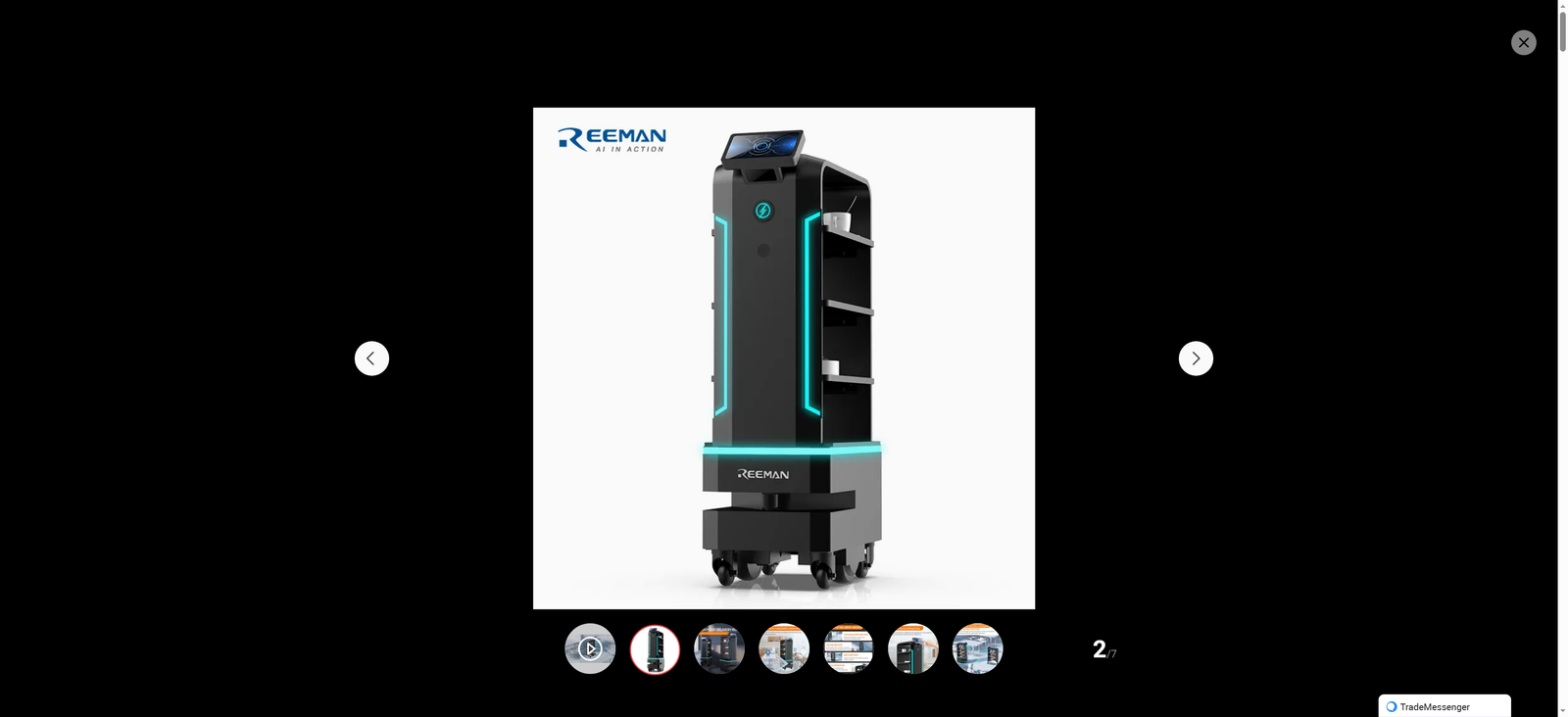
In the era of rapid technological advancement, little robots designed for food delivery have gradually stepped out of laboratories and into people’s daily lives. From bustling restaurants to high-end hotels, these compact, intelligent machines—including food delivery robots, robot waiters, and hotel delivery robots—are quietly reshaping the way services are provided, bringing unprecedented convenience and efficiency to both businesses and consumers.
Food delivery robots, as the most common type among them, have become a familiar sight in many scenarios. Unlike traditional human delivery, these little robots are equipped with advanced navigation systems, sensors, and intelligent control modules, allowing them to move freely in crowded spaces without colliding with people or obstacles. In large shopping malls, office buildings, and even residential areas, they can accurately deliver meals, snacks, and drinks from the store to the customer’s designated location. Whether it’s a busy lunch hour when restaurants are short of staff or a late-night order when delivery riders are scarce, food delivery robots can work 24 hours a day without fatigue, ensuring that food arrives fresh and on time. This not only relieves the pressure of manual delivery but also reduces the risk of food contamination during the delivery process, as the robot’s storage compartment is sealed and easy to clean.
In the catering industry, robot waiters have become a new trend that combines technology and service. These little robots are no longer just "delivery tools"; they can take orders, deliver dishes, collect tableware, and even interact with customers in a friendly manner. When a customer enters a restaurant, the robot waiter can guide them to a vacant table, hand over the menu, and record the order through a touch screen or voice recognition. After the dishes are prepared, the robot will accurately deliver each dish to the corresponding table according to the order information, and remind customers to enjoy their meal with a pleasant voice. After the meal, the robot can quickly collect the used tableware and send them to the kitchen, saving the time and energy of human waiters. What’s more, some high-end robot waiters are equipped with facial recognition technology, which can remember regular customers’ preferences and provide personalized services, such as recommending their favorite dishes. This not only improves the efficiency of restaurant operations but also enhances the customer’s dining experience, making dining more interesting and technological.
In the hotel industry, hotel delivery robots have become an indispensable part of intelligent services, bringing great convenience to guests and hotel staff. For guests, when they need to get amenities such as toothbrushes, towels, or bottled water, they don’t have to make a phone call and wait for the housekeeper to deliver them; they just need to place an order through the hotel’s mobile app, and the hotel delivery robot will send the items to their room door in a short time. The robot can automatically take the elevator, swipe the card to enter the corridor, and even call the guest’s room number through the intercom system after arriving at the door. This not only protects the privacy of guests but also avoids the inconvenience caused by waiting for manual delivery. For hotels, hotel delivery robots can take on most of the repetitive delivery work, such as delivering daily necessities, meals, and packages, which reduces the workload of housekeepers and front desk staff, allowing them to focus on providing more high-quality and thoughtful services to guests. In addition, the use of delivery robots also improves the hotel’s service efficiency and reduces operational costs, enhancing the hotel’s competitiveness in the intelligent era.
Of course, the popularization of these little food delivery robots is not without challenges. For example, in some complex environments with narrow spaces or frequent human activities, the robot’s navigation accuracy may be affected; some elderly customers may be unfamiliar with the operation of robot services and need human guidance; in addition, the maintenance and update of robots also require a certain amount of cost. However, with the continuous progress of artificial intelligence, sensor technology, and navigation technology, these problems are being gradually solved. More and more little robots are being upgraded with more advanced functions, better adaptability, and more friendly interaction methods, making them more integrated into people’s lives.
Looking to the future, the development potential of food delivery robots, robot waiters, and hotel delivery robots is immeasurable. They will not only be more widely used in catering and hotel industries but may also extend to more fields, such as hospitals, schools, and office buildings, bringing intelligent services to more people. These little robots are not replacing human beings, but complementing and cooperating with human beings, forming a new service mode that combines man and machine. They use technology to break through the limitations of manual services, improve service efficiency and quality, and let people enjoy a more convenient and comfortable life.
In conclusion, the rise of these little delivery robots is a vivid manifestation of the rapid development of intelligent technology. They are transforming the food delivery and hotel service industries with their unique advantages, and becoming an important part of the intelligent life in the new era. With the continuous innovation and progress of technology, we have reason to believe that these little robots will bring more surprises and changes to our lives in the future.