
Intelligent Smart Hotel Delivery Robot for Guest Amenities and Food Delivery Automation
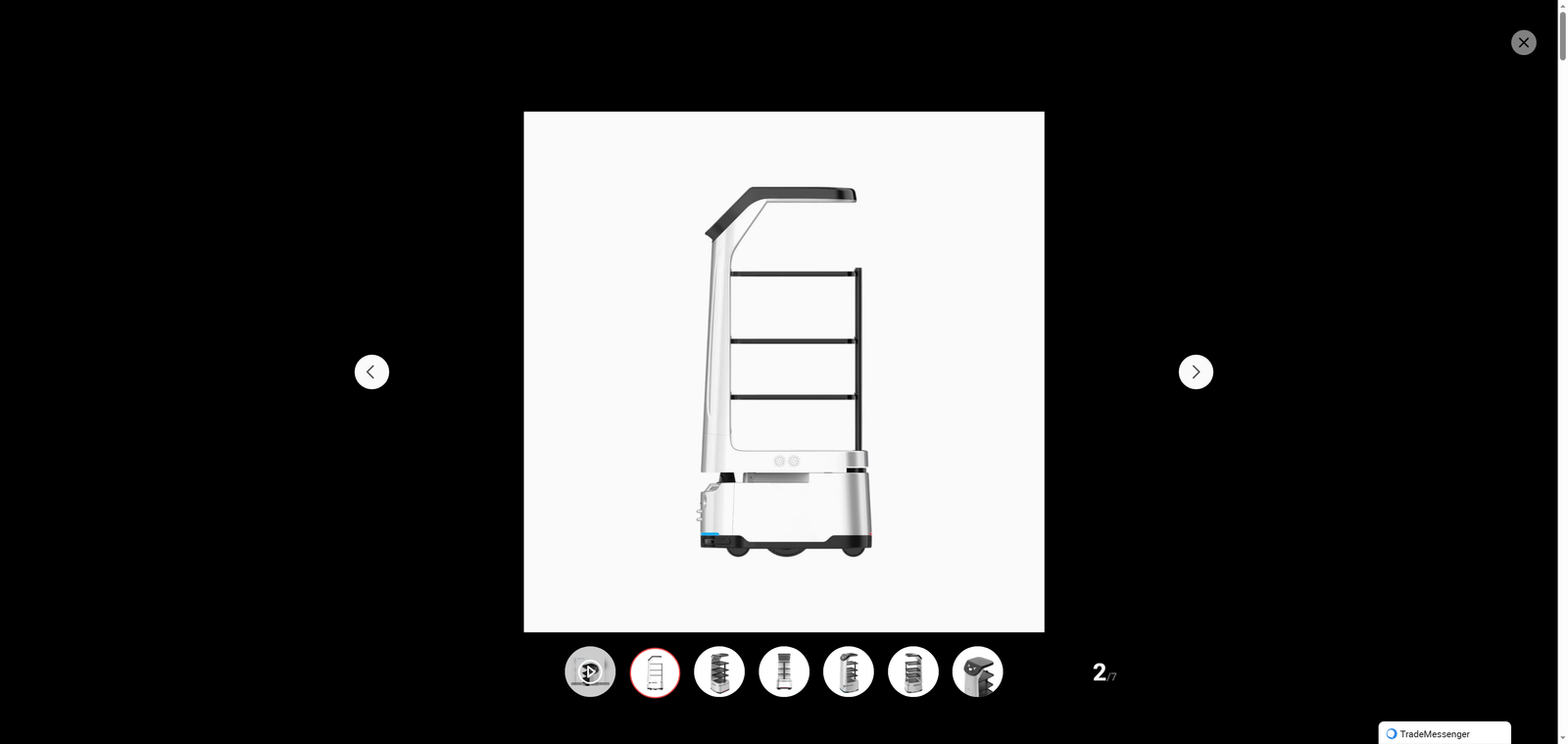
In the era of digital transformation, the hotel industry is undergoing a profound revolution driven by intelligent technology. Among the various innovative solutions, intelligent smart hotel delivery robots have emerged as a key force reshaping service models, especially in the fields of guest amenities delivery and food delivery automation. These robots, integrated with advanced technologies such as artificial intelligence (AI), Internet of Things (IoT), and autonomous navigation, are no longer just novel gadgets but have become indispensable partners in hotel operations, optimizing service efficiency, enhancing guest experience, and promoting the upgrading of the hotel industry towards intelligence and refinement.
The core value of intelligent hotel delivery robots lies in their ability to realize the full automation of two core service scenarios: guest amenities delivery and food delivery. For guests, the demand for amenities such as toothbrushes, towels, mineral water, and chargers is often urgent and random. In traditional hotel services, guests need to make a phone call to the front desk, and the housekeeping staff will deliver the items manually. This process not only takes time—usually requiring 10 to 20 minutes—but also may be delayed due to the busy work of the staff, affecting the guest experience. With the delivery robot, the whole process becomes simple and efficient. Guests can place an order through the hotel's mobile app, smart TV, or even voice control device in the room. After receiving the order, the robot will automatically pick up the corresponding amenities from the designated storage area, plan the optimal route through the autonomous navigation system, avoid obstacles such as pedestrians and furniture in real time, and accurately deliver the items to the guest's room door. The whole process takes only 3 to 5 minutes, which greatly shortens the waiting time for guests and ensures the timeliness of service.
In terms of food delivery automation, the robot also shows unique advantages that cannot be replaced by manual work. Hotel restaurants, especially those in mid-to-high-end hotels, often face the pressure of peak meal periods. A large number of food delivery orders will make the waiters overwhelmed, leading to delayed delivery, wrong delivery, or food cooling. The intelligent delivery robot can effectively solve these pain points. After the chef completes the meal, the robot will automatically receive the meal according to the order information, keep the food at the appropriate temperature through the built-in constant temperature compartment, and then accurately deliver it to the guest's table in the restaurant or the room of the in-room dining guest. During the delivery process, the robot can automatically update the order status in the background system, so that the restaurant staff and guests can grasp the delivery progress in real time. In addition, the robot can work 24 hours a day without rest, which not only relieves the work pressure of the service staff during peak periods but also ensures the stability and consistency of food delivery service, especially for late-night in-room dining needs, which can be quickly responded to, greatly improving the guest's dining experience.
The realization of the intelligent delivery function of the robot is inseparable from the support of a series of advanced technologies. First of all, the autonomous navigation and obstacle avoidance technology is the core guarantee for the robot to move freely in the hotel. Equipped with laser radar, visual sensors, and ultrasonic sensors, the robot can quickly scan and map the hotel's internal environment, establish a high-precision spatial model, and dynamically adjust the movement route according to the real-time environment changes. Whether it is a narrow corridor, a turning corner, or a sudden appearing pedestrian or cleaning cart, the robot can quickly respond and avoid, ensuring safe and smooth movement. Secondly, the AI intelligent scheduling system enables the robot to handle multiple orders efficiently. The system can automatically sort and optimize the delivery orders according to the order time, delivery location, and item type, realize batch delivery, and maximize the delivery efficiency. At the same time, the system can also monitor the working status of multiple robots in real time, allocate tasks reasonably, and avoid idle or busy uneven situations. In addition, the robot is also equipped with a variety of human-computer interaction functions, such as voice broadcast, touch screen operation, and QR code scanning. When delivering items to the room door, the robot will automatically broadcast a reminder, and guests can take the items by scanning the code or entering a password, which is convenient and fast, and also ensures the safety of the items.
For hotels, the introduction of intelligent delivery robots is not only a upgrade of service experience but also a rational choice to optimize operational costs and improve management efficiency. In the traditional mode, hotels need to arrange a large number of housekeeping and service staff to undertake the work of amenities delivery and food delivery, which brings high labor costs. The one-time investment of the robot can replace the work of 2 to 3 manual staff, and the later maintenance cost is low, which can significantly reduce the long-term labor cost of the hotel. At the same time, the robot can record every delivery data in detail, such as the type of items delivered, the number of orders, the delivery time, and the guest's evaluation. These data can be uploaded to the hotel's management system, providing a data basis for the hotel to optimize the allocation of amenities, adjust the restaurant's menu, and improve service processes. For example, if the data shows that the demand for chargers and mineral water is high, the hotel can appropriately increase the storage of these items in the robot's storage area; if the delivery time of a certain type of food is long, the restaurant can optimize the production process. In addition, the robot can also reduce the risk of human error, such as wrong delivery of items and missed orders, improving the service quality and reducing guest complaints.
With the continuous progress of technology and the increasing demand for intelligent services in the hotel industry, intelligent delivery robots are also constantly evolving and upgrading. In the future, they will not only be limited to the delivery of amenities and food but will also integrate more functions, such as guiding guests to check-in, taking luggage, cleaning the room, and even providing tourist information consultation. At the same time, with the development of 5G technology, the robot's data transmission speed and response efficiency will be further improved, and the interaction with guests will be more natural and intelligent. For example, guests can directly communicate with the robot through natural language to place orders or ask questions. In addition, the robot will also realize more accurate demand prediction through the analysis of guest behavior data. For example, according to the guest's check-in time, living habits, and historical consumption records, the robot can take the initiative to deliver commonly used amenities to the room in advance, realizing personalized service.
However, the popularization and application of intelligent hotel delivery robots also face some challenges. On the one hand, the initial investment cost of the robot is relatively high, which may bring certain economic pressure to small and medium-sized hotels. On the other hand, some elderly guests or guests who are not familiar with intelligent devices may have a sense of resistance to using the robot, requiring the hotel to provide corresponding guidance and manual assistance. In addition, the robot's operation and maintenance also require professional technical personnel, which puts forward higher requirements for the hotel's technical support capabilities. To solve these problems, on the one hand, robot manufacturers need to continuously reduce production costs and launch more cost-effective products to meet the needs of different types of hotels; on the other hand, hotels need to strengthen staff training, improve the technical level of operation and maintenance, and at the same time do a good job in guest guidance, so that guests can gradually accept and get used to the intelligent service mode.
In conclusion, intelligent smart hotel delivery robots, with their efficient, stable, and intelligent characteristics, have brought revolutionary changes to the hotel's amenities delivery and food delivery services. They not only improve the timeliness and quality of services, enhance the guest's stay experience but also help hotels optimize operational costs, improve management efficiency, and gain competitive advantages in the fierce market competition. With the continuous development of intelligent technology, the application prospect of hotel delivery robots will be broader, and they will become an important part of the intelligent hotel ecosystem, promoting the hotel industry to move towards a more efficient, refined, and personalized future.