
Intelligent Smart Food Delivery Robot: Revolutionizing Hotel Room Service and Restaurant Trays
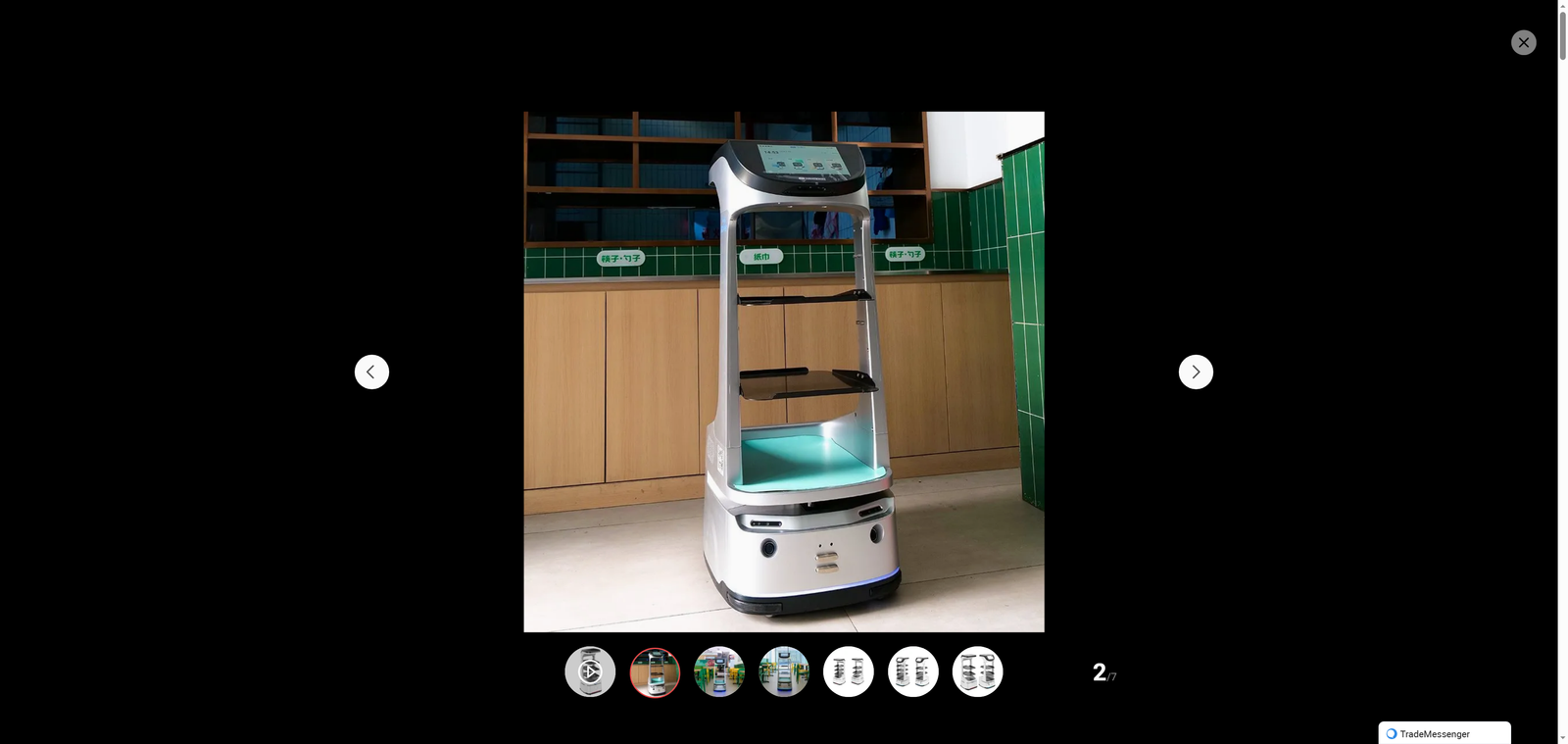
In the era of rapid technological advancement, intelligent robots have gradually penetrated various industries, reshaping service models and improving operational efficiency. Among them, the intelligent smart food delivery robot, tailored for hotel room service and restaurant tray delivery scenarios, has emerged as a game-changer. It integrates cutting-edge technologies such as artificial intelligence, automatic navigation, and intelligent control to break through the limitations of traditional manual food delivery, bringing a new round of upgrades to the hospitality and catering industries.
The application of intelligent food delivery robots in hotel room service has effectively solved the pain points of traditional service models. For a long time, hotel room service has been faced with challenges such as high labor costs, uneven service quality, and delayed delivery during peak hours. With the introduction of food delivery robots, these problems have been significantly alleviated. Equipped with high-precision navigation sensors and mapping algorithms, the robot can accurately identify the hotel’s floor layout, elevator positions, and room numbers, and plan the optimal delivery route in real time. Whether it is delivering breakfast, afternoon tea, or room service items such as mineral water and towels, the robot can complete the task efficiently without being affected by factors such as personnel shifts and peak passenger flow.
Moreover, the intelligent food delivery robot enhances the personalized experience of hotel guests. It is equipped with a voice interaction module and a touch screen, which can realize seamless communication with guests. Guests can call the robot through the room phone or mobile app, and check the delivery progress in real time. When the robot arrives at the door of the room, it will send a reminder through voice or message, and the guest can open the door to take the items with a simple operation. For special groups such as the elderly and the disabled, the robot can also provide more considerate services, such as adjusting the height of the tray and slowing down the moving speed, fully reflecting the humanized service concept of the hotel. In addition, the robot has a clean and hygienic design, with detachable and washable trays and disinfection functions, which can effectively avoid cross-contamination and ensure food safety, especially in the post-epidemic era, which has won the trust of guests.
In the restaurant scene, the intelligent food delivery robot has become an important assistant for tray delivery, greatly improving the operational efficiency of the restaurant. Traditional restaurant tray delivery relies on waiters to shuttle between the kitchen and the dining tables, which is not only labor-intensive but also prone to errors such as wrong delivery and missed delivery, especially in large-scale restaurants or during peak dining hours. The intelligent food delivery robot can realize the automatic connection of "kitchen - dining table" tray delivery. After the chef finishes the dishes, he only needs to place the dishes on the robot's tray and input the table number. The robot will automatically deliver the dishes to the designated table accurately and quickly. At the same time, the robot can carry multiple trays at one time, reducing the number of trips and improving the delivery efficiency. According to statistics, the application of food delivery robots can reduce the workload of waiters by 30% - 50%, allowing them to focus more on providing services such as ordering and consulting for guests, thereby improving the overall service quality of the restaurant.
In addition to improving efficiency, the intelligent food delivery robot also adds a sense of technology and fun to the restaurant, becoming a new "net red check-in point". Many restaurants have introduced robots with cute appearances and interactive functions, which can interact with guests through voice, gestures, and other ways, especially attracting the attention of children and young people. For example, when the robot passes by the dining table, it can take the initiative to greet guests, introduce dishes, or perform simple entertainment programs, which enriches the dining experience of guests and enhances the brand influence of the restaurant. At the same time, the robot's operation is stable and reliable, with anti-collision and obstacle avoidance functions. It can flexibly avoid diners, chairs, and other obstacles in the restaurant, ensuring the safety of tray delivery and avoiding the risk of food spilling caused by manual collision.
The development of intelligent smart food delivery robots is not only supported by technological progress but also meets the market demand for efficient, hygienic, and personalized services. With the continuous iteration of technologies such as artificial intelligence, 5G, and the Internet of Things, the functions of food delivery robots will become more and more powerful. In the future, they may realize more intelligent functions such as intelligent recognition of dishes, automatic temperature control of trays, and integration with the hotel and restaurant management system. For example, the robot can automatically identify the type of dishes and adjust the storage temperature to ensure the taste of the food; it can also synchronize the delivery information with the management system in real time, helping the hotel and restaurant to carry out refined management and cost control.
However, the popularization and application of intelligent food delivery robots also face certain challenges. On the one hand, the initial investment cost of robots is relatively high, which may bring certain economic pressure to small and medium-sized hotels and restaurants. On the other hand, the maintenance and after-sales service of robots also require professional technical personnel, which puts forward higher requirements for the operation and management of enterprises. In addition, some guests may still prefer manual service, and how to balance the relationship between robot service and manual service to meet the diverse needs of guests is also a problem that needs to be solved.
In conclusion, the intelligent smart food delivery robot has brought profound changes to hotel room service and restaurant tray delivery with its unique advantages of high efficiency, hygiene, intelligence, and humanization. It is not only a powerful tool to reduce enterprise costs and improve service quality but also an important symbol of the intelligent transformation of the hospitality and catering industries. With the continuous maturity of technology and the gradual reduction of costs, it is believed that intelligent food delivery robots will be more widely used in the future, creating a more convenient, efficient, and high-quality service experience for people and promoting the sustainable development of the hospitality and catering industries.