
High-Efficiency Autonomous Cleaning Robot with UV Sterilization: Redefining Hygiene and Efficiency in Modern Spaces
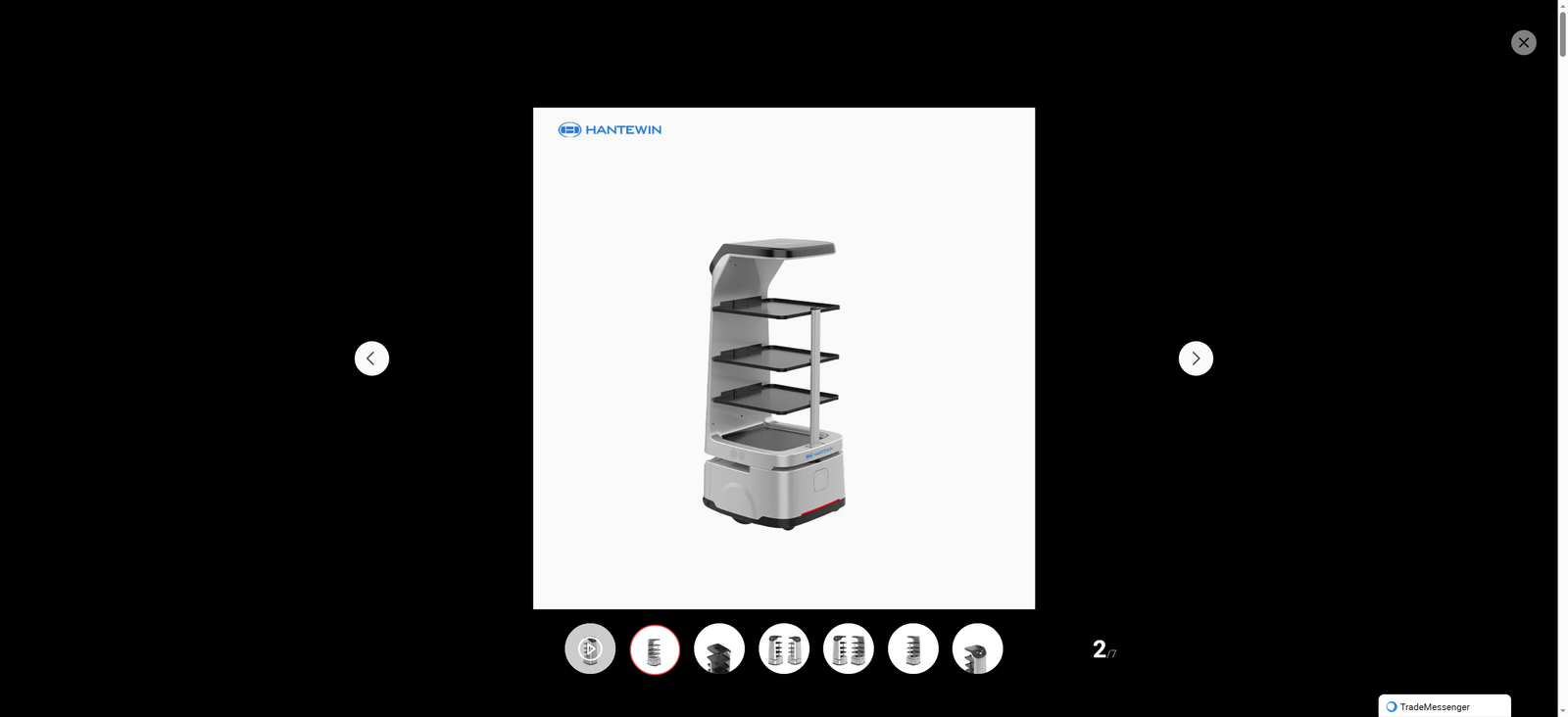
In an era where hygiene safety and operational efficiency are paramount across residential, commercial, and public environments, the high-efficiency autonomous cleaning robot with UV sterilization has emerged as a transformative innovation. This intelligent device integrates advanced autonomous navigation, powerful cleaning capabilities, and cutting-edge UV-C sterilization technology, addressing the limitations of traditional manual cleaning and revolutionizing the way we maintain clean, healthy spaces. By combining "high efficiency" and "autonomous operation" with the bactericidal power of UV light, it delivers a dual advantage of time-saving cleaning and thorough disinfection, becoming an indispensable tool in homes, hospitals, offices, shopping malls, and beyond.
At the core of this robot’s functionality lies its high-efficiency autonomous navigation system, which eliminates the need for constant human supervision and ensures comprehensive coverage of cleaning areas. Equipped with a suite of advanced sensors—including ultrasonic sensors, infrared (IR) sensors, and 360-degree cameras—and powered by AI-driven object detection algorithms, the robot can seamlessly map any space in minutes: a 10,000 sq ft area can be mapped in less than five minutes with revolutionary quickmap technology. It intelligently plans optimal cleaning paths, avoids obstacles such as furniture, walls, and even small objects, and adapts to different floor types—from hardwood and tiles to carpets—without manual intervention. Unlike early cleaning robots prone to getting stuck, modern high-efficiency models feature sophisticated path-planning algorithms that minimize redundancy, ensuring every inch of the space is cleaned efficiently. For commercial settings like large shopping malls or subway stations, this autonomy translates to 24/7 uninterrupted operation, with some models boasting 8-hour续航 and automatic refueling/draining systems to reduce manual轮岗 and maintain consistent cleaning performance.
Complementing its autonomous efficiency is the robot’s powerful cleaning mechanism, designed to tackle diverse dirt and debris with precision. High-performance suction—ranging from 8,000 Pa for residential models to 20 kPa for commercial carpet-focused units—enables deep cleaning of dust, pet hair, and hidden dirt in carpets and crevices. Many models integrate a "sweep, mop, and wipe" 3-in-1 function, with self-cleaning mop pads that refresh in real time to avoid spreading stains, mimicking manual scrubbing with downward pressure for stubborn污渍 removal. For commercial use, features like 10L large-capacity dust buckets reduce the frequency of maintenance, while 52cm narrow-body designs allow navigation through tight spaces such as between shopping mall shelves or subway seats. This combination of power and versatility ensures that the robot not only cleans efficiently but also delivers a deeper, more consistent clean than traditional manual methods.
The defining feature that sets this robot apart is its integrated UV sterilization system, leveraging UV-C light (200nm-280nm) to eliminate harmful microorganisms without chemicals. UV-C light works by disrupting the DNA and RNA structure of bacteria, viruses, and fungi, rendering them unable to reproduce and effectively neutralizing their threat—a process proven to achieve 99.99% sterilization efficacy in controlled tests. Unlike chemical disinfectants that leave residues, emit harsh odors, or damage surfaces, UV sterilization is a pure physical process that is environmentally friendly and safe for humans and pets once the cycle is complete. Advanced models are equipped with dual-safety systems to prevent accidental UV exposure: passive infrared (PIR) sensors and AI object detection cameras work together to detect human presence within 30 meters, automatically shutting off the UV light in 50ms to ensure safety. This safety design makes the robot suitable for use in occupied spaces such as offices, schools, and hospitals, where continuous hygiene maintenance is critical.
The practical applications of high-efficiency autonomous cleaning robots with UV sterilization span across multiple industries, delivering tangible benefits in efficiency, cost savings, and hygiene standards. In healthcare settings, these robots play a vital role in infection prevention, disinfecting patient rooms, operating theaters, and corridors to reduce healthcare-associated infections (HAIs)—a challenge that static UV devices often fail to address due to limited coverage. In commercial spaces like南京德基广场, a top luxury mall with 10,000 sq ft of public area, autonomous robots with UV sterilization operate 24/7, autonomously taking elevators to clean multiple floors and reducing annual cleaning costs by 27% while increasing cleaning frequency by 98%. For residential users, the robot offers unparalleled convenience, handling daily cleaning and sterilization tasks so homeowners can focus on more important activities—ideal for busy families, pet owners, and individuals with allergies. Even in transportation hubs like深圳地铁, where daily passenger flow exceeds 300,000, these robots use "tidal cleaning" to adapt to peak and off-peak hours, doubling cleaning frequency and increasing overall efficiency by 210%.
Beyond their immediate benefits, these robots also align with the global trend toward smart, sustainable living. By automating cleaning tasks, they reduce the need for manual labor, lowering labor costs and minimizing the risk of work-related injuries for cleaning staff. The chemical-free UV sterilization process reduces reliance on harmful disinfectants, contributing to a greener, healthier environment. Additionally, many models feature data-driven reporting systems, generating detailed heat maps and cleaning logs to confirm thorough disinfection—a feature that is particularly valuable for industries requiring compliance with strict hygiene regulations, such as healthcare and food service. As technology advances, future iterations are expected to integrate more advanced AI, longer battery life, and seamless connectivity with smart home and building management systems, further enhancing their efficiency and usability.
In conclusion, the high-efficiency autonomous cleaning robot with UV sterilization represents a perfect synergy of intelligence, efficiency, and hygiene. It addresses the core pain points of traditional cleaning—low efficiency, inconsistent disinfection, and high labor costs—by combining autonomous navigation, powerful cleaning capabilities, and safe UV sterilization. From homes to hospitals, from shopping malls to transportation hubs, this innovative device is redefining the standards of clean, healthy spaces. As global demand for hygiene and efficiency continues to grow, these robots will undoubtedly become an integral part of our daily lives, offering a smarter, easier, and more reliable way to maintain the environments we live, work, and play in. The future of cleaning is autonomous, efficient, and sterile—and it is already here.