
In the era of intelligent service upgrading, humanoid food delivery robots have emerged as a pivotal force reshaping the operational models of consumer-facing industries. From bustling supermarkets and crowded restaurants to elegant hotels, these anthropomorphic machines are no longer just futuristic concepts but practical solutions that enhance efficiency, improve customer experience, and optimize resource allocation. Lele Delivery Robot, a front-runner in this technological revolution, has tailored its humanoid delivery solutions to meet the unique demands of supermarkets, restaurants, and hotels, unlocking new possibilities for service innovation across these sectors.
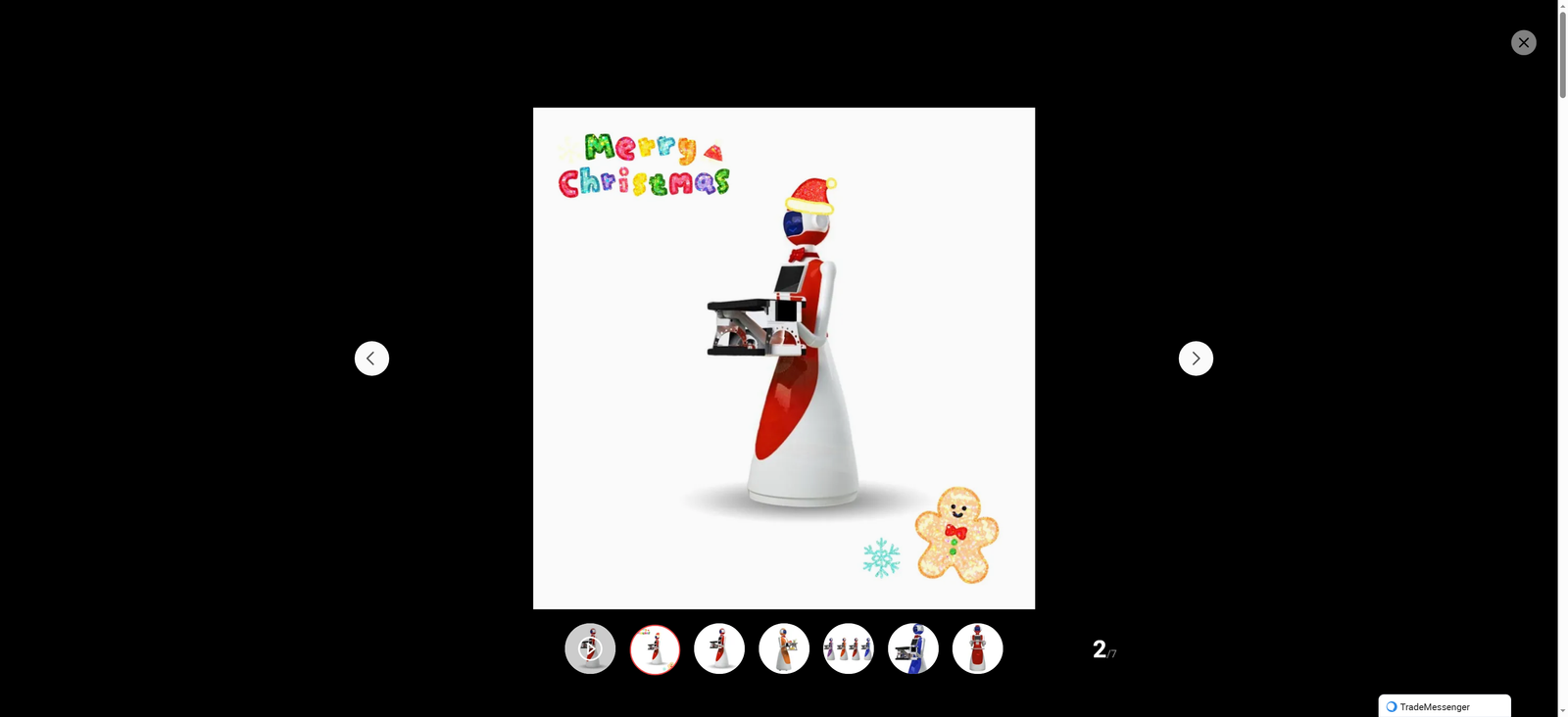
Supermarkets, as hubs of daily consumption, often grapple with challenges such as peak-hour congestion, labor shortages in product delivery, and the need for timely restocking. Lele Delivery Robot’s humanoid food delivery system addresses these pain points with remarkable precision. Unlike traditional automated guided vehicles (AGVs) that follow fixed routes, Lele’s humanoid robots possess advanced environmental perception and obstacle avoidance capabilities, enabling them to navigate seamlessly through crowded aisles, around shopping carts, and past pedestrians. In large-scale supermarkets, these robots can be deployed to deliver online order packages from the warehouse to the pickup counter, reducing the workload of staff and shortening the waiting time for customers. Additionally, they can assist in restocking small-volume items, such as snacks and beverages, by carrying goods to designated shelves, ensuring that products are always available for shoppers. The humanoid design of Lele’s robots, with its friendly appearance and voice interaction function, also adds a touch of warmth to the supermarket experience, making shopping more enjoyable for consumers.
Restaurants, especially those in urban areas, face intense competition and ever-increasing customer expectations for fast and high-quality service. Food delivery is a critical link in the restaurant service chain, and Lele Delivery Robot’s humanoid solution has revolutionized this process. In busy dining periods, humanoid robots can take over the tasks of greeting customers, leading them to seats, and delivering dishes. Equipped with precise positioning technology, these robots can accurately identify the target table and place dishes gently, avoiding spills and mistakes that may occur with manual delivery. Moreover, they can work continuously without fatigue, significantly increasing the delivery efficiency of restaurants and reducing the number of service staff required. For takeout services, Lele’s humanoid robots can cooperate with delivery personnel by sorting and loading takeout orders, streamlining the pickup process and ensuring that food is delivered to customers in a timely manner. The interactive features of the robots, such as being able to respond to customer inquiries about dishes, also enhance the overall dining experience, helping restaurants stand out in a competitive market.
Hotels, as providers of premium accommodation and service, strive to offer guests a comfortable, convenient, and personalized stay. Lele Delivery Robot’s humanoid food delivery system has become an important part of the intelligent transformation of hotels. Guests can use the hotel’s mobile app or in-room control panel to order food, drinks, or other amenities, and the humanoid robot will deliver the items directly to their rooms. The robots can navigate through hotel corridors, take elevators autonomously, and even recognize room numbers, ensuring that deliveries are accurate and efficient. This not only eliminates the need for guests to wait at the front desk or call room service repeatedly but also protects the privacy of guests, as they no longer need to interact with staff face-to-face if they prefer not to. In addition, humanoid robots can be used to deliver cleaning supplies to housekeeping staff, improving the efficiency of cleaning work and allowing hotel staff to focus more on providing high-quality personalized services to guests. The sophisticated and intelligent image of Lele’s humanoid robots also enhances the hotel’s brand image, leaving a deep impression on guests.
What sets Lele Delivery Robot apart from other solutions in the market is its focus on customization and integration. Recognizing that the needs of supermarkets, restaurants, and hotels are distinct, Lele has developed modular humanoid robots that can be adapted to different scenarios. For example, supermarket-specific robots are equipped with larger storage compartments to accommodate more packages, while restaurant robots have heat-insulating food boxes to keep dishes warm. Moreover, Lele’s robots can be seamlessly integrated with the existing management systems of these establishments, such as inventory management systems in supermarkets, order management systems in restaurants, and guest management systems in hotels, enabling real-time data sharing and intelligent scheduling. The company also provides comprehensive after-sales service, including regular maintenance, software updates, and technical support, ensuring that the robots operate stably and efficiently.
As the demand for intelligent services continues to grow, humanoid food delivery robots will play an increasingly important role in supermarkets, restaurants, and hotels. Lele Delivery Robot, with its advanced technology, customized solutions, and user-centric design, is well-positioned to lead this transformation. By reducing operational costs, improving service efficiency, and enhancing customer experience, Lele’s humanoid delivery robots are not only changing the way these industries operate but also setting a new standard for intelligent service. In the future, as technology continues to evolve, we can expect Lele Delivery Robot to introduce more innovative features, such as more advanced AI interaction, multi-language support, and collaborative work between multiple robots, further expanding the application scope and value of humanoid food delivery robots in the service industry.