
Hot Selling Experiment Demo High Quality Science Museum Robots: Revolutionizing Interactive Science Education
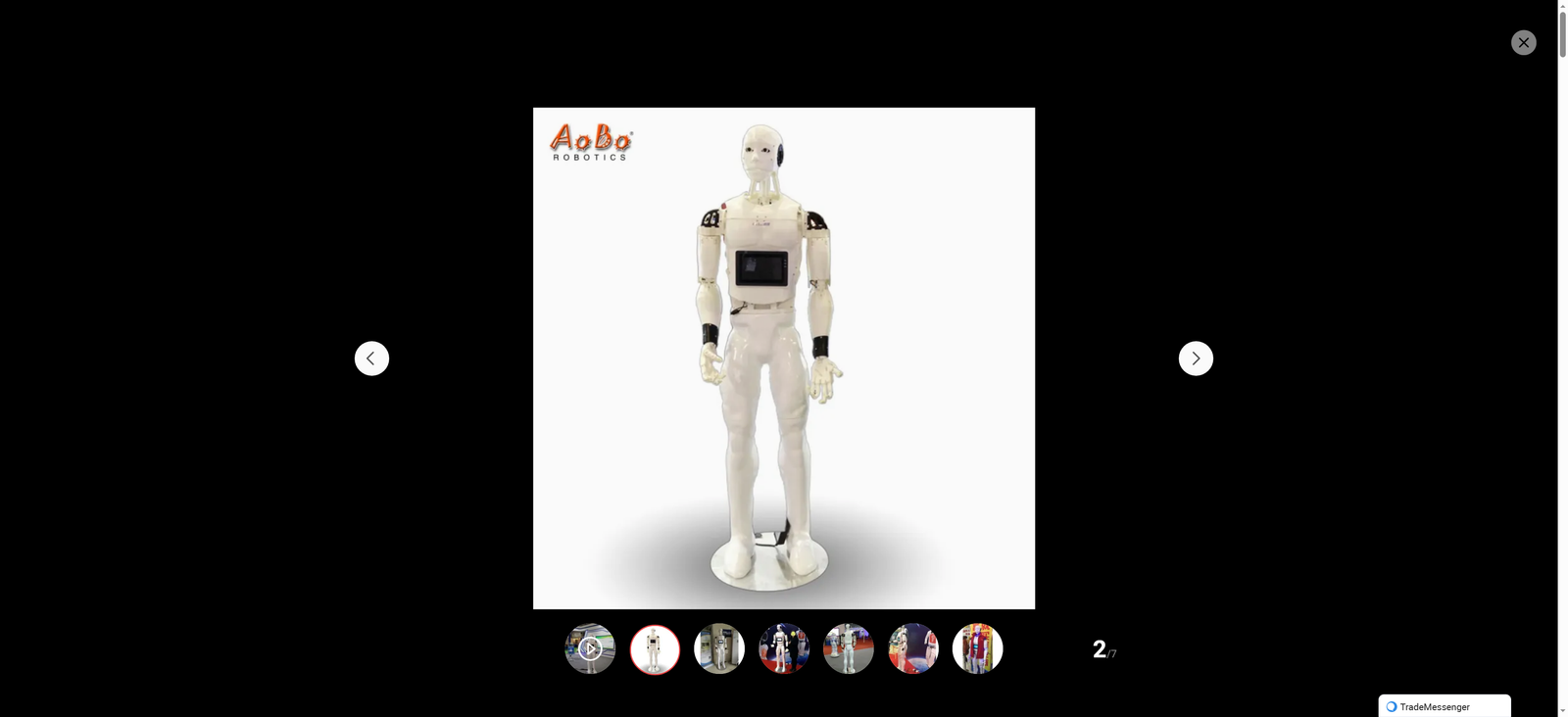
In the era of digitalization and intelligent upgrading, science museums around the world are undergoing a profound transformation—moving from static exhibit displays to dynamic, interactive learning experiences. At the forefront of this revolution are hot selling experiment demo high quality science museum robots, which have become the new "stars" of science education, winning widespread popularity among museums, educators, and visitors alike. These advanced robotic systems combine cutting-edge technology, high-quality manufacturing, and engaging experiment demonstrations, redefining how people perceive and explore scientific knowledge.
The popularity of science museum experiment demo robots is no accident; it stems from their precise positioning in solving the pain points of traditional science education and museum operations. Traditional science museums often face challenges such as rigid exhibit forms, limited interaction, and insufficient professional explanation resources—issues that make it difficult to fully arouse visitors’ interest, especially among teenagers. High quality experiment demo robots perfectly address these problems by integrating professional scientific knowledge with vivid, operable experiment demonstrations, turning abstract scientific principles into tangible, observable phenomena.
As hot selling products, these robots stand out first with their superior quality and reliable performance—a core advantage that lays the foundation for their long-term operation in high-traffic museum environments. Manufactured with high-standard materials and precision craftsmanship, they feature stable hardware configurations, dust-proof and anti-collision designs, and long-lasting battery life, ensuring continuous and smooth operation even during peak visitor hours. For example, mainstream hot-selling models are equipped with high-performance chips and multi-sensor arrays, enabling precise positioning, flexible movement, and stable interaction in complex museum spaces with glass showcases and dense crowds. Their professional-grade structural design also ensures that experiment demonstrations are accurate and repeatable, avoiding errors caused by equipment failure and maintaining the authority of scientific popularization.
The rich and diverse experiment demo capabilities are the key to making these robots hot sellers. Unlike ordinary service robots, science museum experiment demo robots are specially programmed to simulate and demonstrate a wide range of scientific experiments covering physics, chemistry, biology, astronomy, and other disciplines. From simple mechanical principle demonstrations and optical experiments to complex chemical reactions and robotic arm operations, these robots can complete experiments autonomously, with clear explanations and visual displays. For instance, some models can demonstrate Newton’s laws of motion through precise movements, show the principle of electromagnetism with interactive demonstrations, or even simulate the operation of a rocket launch—making abstract knowledge intuitive and interesting. What’s more, advanced models equipped with large language models can adjust the difficulty and presentation of experiments according to the age and knowledge level of visitors, realizing personalized science popularization and improving the effectiveness of education.
Another factor driving the popularity of these high-quality robots is their strong adaptability and intelligent interaction capabilities. They are designed to adapt to different types and scales of science museums, from large-scale national science and technology museums to small and medium-sized local science centers. With intelligent navigation and obstacle avoidance technology, they can move freely in exhibition halls, automatically avoid visitors and obstacles, and even trigger surrounding audio-visual equipment to create an immersive experience when demonstrating experiments at specific exhibit areas. In terms of interaction, they support voice recognition, touch control, and multi-language communication, allowing visitors to ask questions, request specific experiments, and interact with the robots in a natural way. This two-way interaction not only enhances visitors’ sense of participation but also helps them deepen their understanding of scientific knowledge through communication and inquiry.
The practical application effects of these hot selling robots have been fully verified in major science museums around the world. In many well-known venues, high quality experiment demo robots have become core interactive exhibits, significantly increasing visitor flow and satisfaction. Data shows that museums equipped with such robots have seen a substantial increase in visitor interaction frequency, with single robots serving more than 40 visitors per day on average, and visitor satisfaction with scientific explanation and demonstration exceeding 90%. For museum operators, these robots also reduce the pressure of manual explanation, save labor costs, and can quickly update experiment content according to new scientific achievements and exhibition themes, ensuring the timeliness and vitality of the museum’s exhibits.
With the continuous development of artificial intelligence, robotics, and other technologies, the market demand for high quality science museum experiment demo robots is still growing. More and more museums are recognizing the value of these robots and incorporating them into their exhibition planning, driving the continuous upgrading of the product category. Future models will be more intelligent, with more diverse experiment functions, more natural interaction methods, and stronger integration with digital exhibition systems—further promoting the innovation and development of science education.
In conclusion, hot selling experiment demo high quality science museum robots are not only a symbol of the intelligent transformation of science museums but also a powerful tool for popularizing scientific knowledge and inspiring scientific interest. With their superior quality, rich experiment demonstrations, and intelligent interaction capabilities, they have won the recognition of the market and become an indispensable part of modern science education. As technology continues to advance, these robots will surely bring more surprises to science museums and visitors, contributing more to the popularization and development of science around the world.