
High Efficiency Hotel Disinfection Robot for Autonomous Navigation: Redefining Hygiene Standards in Hospitality
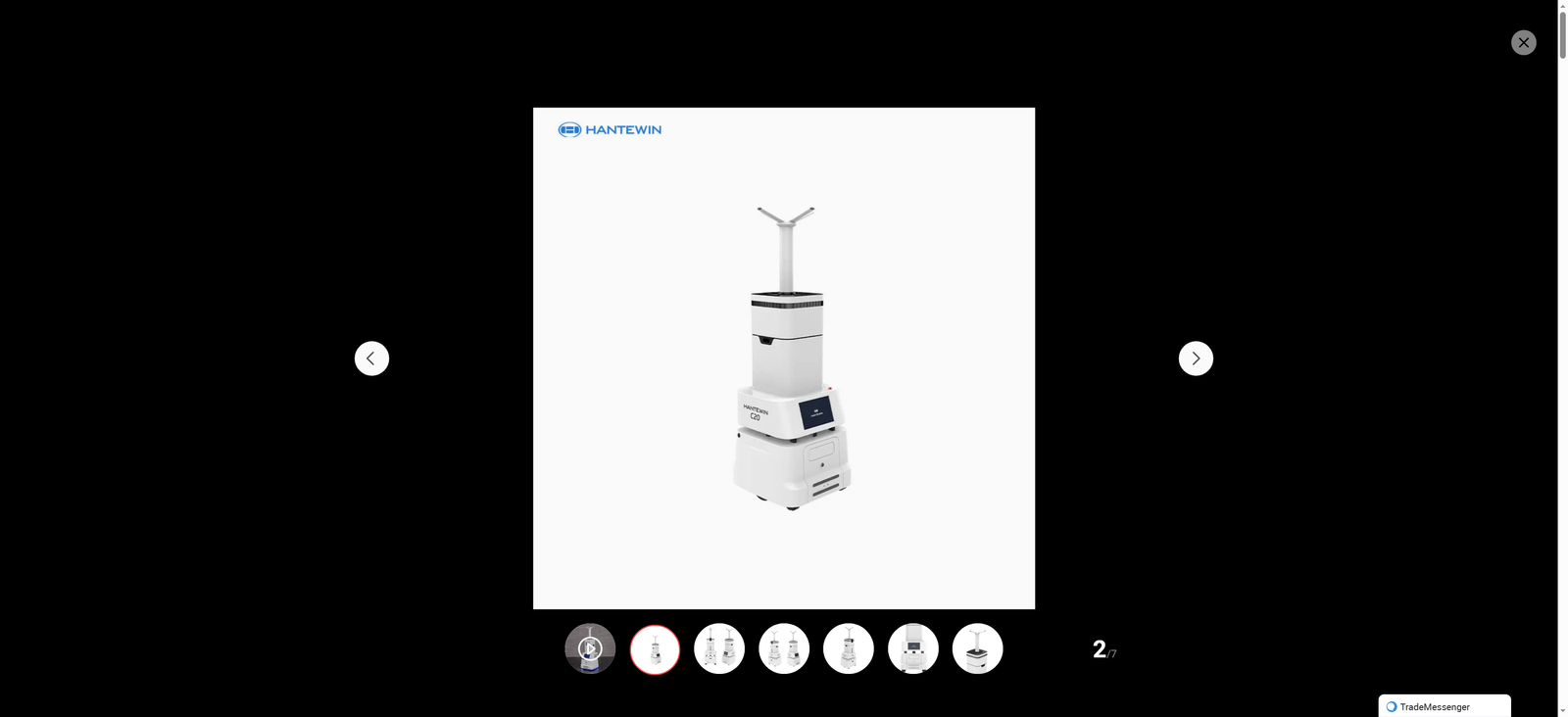
In the post-pandemic era, hygiene and safety have become the core competitiveness of the hotel industry. With the continuous improvement of consumers’ health awareness, hotels are facing unprecedented pressure to maintain a clean and sterile environment—from public areas like lobbies and elevators to private spaces such as guest rooms, every corner requires thorough disinfection. Traditional manual disinfection methods, however, are plagued by inefficiencies, uneven quality, and high labor costs, making it difficult to meet the rigorous hygiene demands of modern hospitality. Against this backdrop, the high efficiency hotel disinfection robot with autonomous navigation has emerged as a game-changer, integrating advanced technology to realize intelligent, efficient, and standardized disinfection, and reshaping the way hotels manage hygiene.
The core advantage of this type of robot lies in its autonomous navigation capability, which eliminates the need for manual control and enables seamless operation across complex hotel environments. Equipped with laser radar, motion sensors, and AI visual recognition technology, the robot can quickly map the hotel space—covering up to 40,000 square meters with super large laser mapping—and automatically plan the optimal disinfection route. It can flexibly avoid obstacles such as guests, luggage carts, and furniture, and even realize autonomous elevator riding (optional) to move between different floors, ensuring no dead ends in disinfection coverage. Unlike manual disinfection, which is prone to omissions due to fatigue or negligence, the autonomous navigation system allows the robot to operate 24 hours a day without interruption, maintaining consistent disinfection standards and significantly reducing the risk of cross-contamination.
Complementing its autonomous navigation, the robot’shigh-efficiency disinfection performance is tailored to the diverse needs of hotel scenarios. Most models adopt a dual disinfection mode combining chlorine dioxide gas disinfection and atomization disinfection, leveraging the advantages of different technologies to achieve comprehensive sterilization. The chlorine dioxide disinfection technology uses solid disinfectant pills to release pure molecular chlorine dioxide gas, which actively captures harmful microorganisms, achieves 360° space disinfection, and decomposes into carbon dioxide and water after use—non-toxic, harmless, and environmentally friendly. The atomization disinfection function, on the other hand, converts disinfectant into micron-level particles that can penetrate into narrow gaps such as doorknobs, elevator buttons, and keyboard crevices, which are frequently touched but easily overlooked by manual disinfection. With a disinfection efficiency 3-5 times that of manual work, the robot can disinfect 1,000 square meters in just 15 minutes, greatly shortening the disinfection cycle and improving work efficiency while reducing labor intensity for cleaning staff.
Beyond efficiency and autonomy, the high efficiency hotel disinfection robot also boasts intelligent management functions that enhance the operational convenience for hotels. Equipped with an intuitive operation interface and a remote control app, hotel managers can easily set disinfection tasks, adjust disinfection parameters, and monitor the robot’s working status in real-time. The robot can automatically record disinfection data—including disinfection time, area, and concentration—and generate detailed digital reports, which can be stored in the cloud for traceability and review. This not only helps hotels meet regulatory hygiene inspections but also provides a transparent hygiene guarantee for guests, enhancing customer trust and satisfaction. Additionally, the robot is equipped with an automatic charging system: when its power is low, it can automatically return to the charging station to recharge, ensuring continuous operation with a battery life of up to 6 hours after a full charge.
The application of high efficiency disinfection robots with autonomous navigation brings substantial economic and social benefits to hotels. From an economic perspective, although the initial purchase cost exists, the robot can replace 3-4 full-time cleaners, reducing labor costs by about 70% annually—and most hotels can recover the investment within 3 years. As labor costs in the hotel industry continue to rise, this cost-saving effect becomes even more prominent, especially for budget hotel chains that focus on cost-effectiveness. For high-end hotels, the robot also serves as a symbol of technological innovation, helping to enhance brand image and attract high-end customers who value health and intelligence. Socially, the robot reduces the exposure of cleaning staff to harmful disinfectants, protecting their health, and contributes to the promotion of “contactless service” in the hotel industry—a demand that has become a rigid need for consumers post-pandemic.
Looking ahead, with the continuous advancement of AI, the Internet of Things, and sensor technology, the high efficiency hotel disinfection robot with autonomous navigation will usher in further upgrades. Future models will feature more precise navigation (with a positioning accuracy of ±1cm), longer battery life (over 12 hours), and multi-machine collaboration capabilities, enabling multiple robots to work together to disinfect large-scale hotel spaces more efficiently. Modular design will also become more popular, allowing hotels to replace disinfection modules according to specific needs, reducing maintenance costs by 30%. Moreover, with policy support from governments around the world—such as subsidies for hotel purchases of intelligent epidemic prevention equipment—the penetration rate of these robots in the hotel industry is expected to continue to rise: it is predicted that by 2025, the penetration rate of disinfection robots in high-end hotels in China will exceed 55%, and the global market scale will continue to expand.
In conclusion, the high efficiency hotel disinfection robot for autonomous navigation is not just a technological product, but a key driver of the hotel industry’s digital and intelligent transformation. It solves the pain points of traditional manual disinfection, realizes the upgrading of hygiene management from “passive compliance” to “active prevention”, and balances efficiency, safety, and cost-effectiveness. As consumers’ demand for hotel hygiene continues to escalate and technology continues to innovate, this intelligent robot will become an indispensable standard configuration in the hotel industry, helping hotels build a safer, healthier, and more intelligent service environment, and promoting the high-quality development of the global hospitality industry.