
Factory Custom Patient Care: High-Quality Hospital Robots Reshape Modern Healthcare
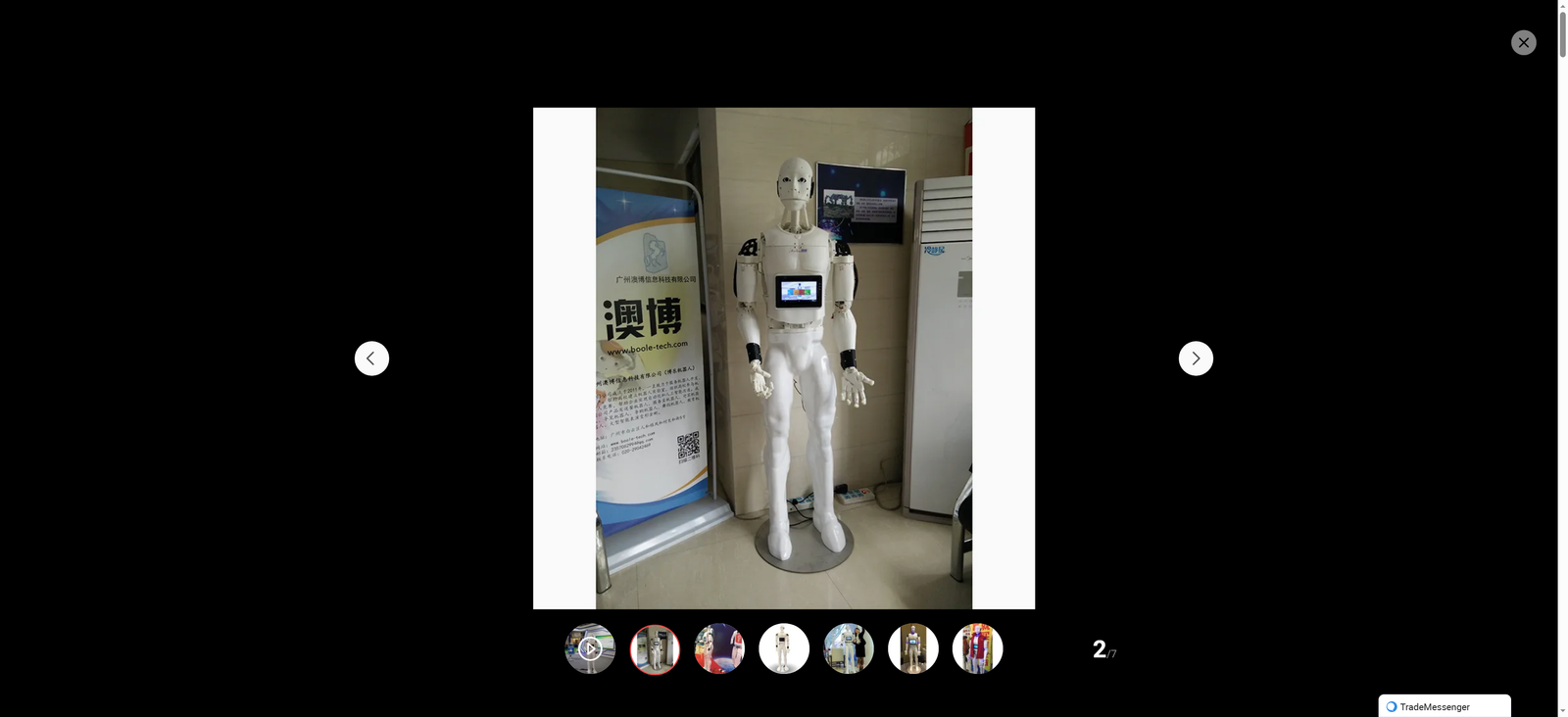
In the fast-evolving landscape of healthcare, the demand for efficient, precise, and patient-centric care continues to grow. Hospitals and medical facilities worldwide are increasingly turning to advanced technologies to address staffing shortages, optimize workflows, and enhance the overall quality of patient care. Among these innovations, factory custom patient care hospital robots have emerged as game-changers, blending high-quality engineering with tailored solutions to meet the unique needs of diverse healthcare environments. These robots are not just standardized machines; they are precision-engineered tools designed in collaboration with medical professionals, ensuring every feature aligns with the real-world challenges of patient care.
High quality is the cornerstone of factory custom hospital robots, distinguishing them from generic alternatives. Unlike mass-produced robots that often prioritize cost-cutting over performance, custom hospital robots are built with medical-grade materials, rigorous quality control, and compliance with international healthcare standards. For instance, robotic systems like KUKA’s LBR Med collaborative robot—certified under the IECEE CB Scheme and compliant with IEC 60601-1 for electrical safety and IEC 62304 for software development—undergo strict testing by accredited centers to ensure reliability in critical medical settings. These high-quality robots feature sensitive torque measurement at every axis, precise autonomous calibration, and repeatability ranging from ±0.1 mm to ±0.15 mm, making them ideal for high-precision medical tasks in surgery, diagnostics, and rehabilitation. Additionally, their hygienic surfaces, advanced safety circuits, and collision detection systems ensure they can operate safely alongside patients and healthcare staff, minimizing risks while maximizing efficiency.
The "factory custom" advantage lies in the ability to tailor these high-quality robots to the specific workflows and requirements of individual hospitals and medical departments. Every healthcare facility has unique challenges—from the layout of emergency departments to the specialized needs of oncology units or rehabilitation centers—and custom robots are designed to address these nuances. Leading manufacturers work closely with hospital administrators, nurses, pharmacists, and surgeons to identify pain points and develop tailored solutions. For example, a busy emergency department might require custom autonomous mobile robots (AMRs) for rapid medication and supply delivery, reducing response times in critical situations. These robots can be customized with multiple compartments to separate medications and specimens, integrated with advanced SLAM navigation to navigate crowded corridors, and programmed to prioritize urgent deliveries. In contrast, a rehabilitation center might benefit from custom collaborative robots with haptic capabilities, allowing them to assist patients with physical therapy exercises while adapting to each patient’s strength and progress.
Factory custom patient care robots cover a wide range of applications, each designed to enhance patient care while easing the burden on healthcare staff. One key application is patient interaction and support: custom interactive service robots can be equipped with touch screens, multi-language voice capabilities, and AI-powered virtual assistants to provide navigation guidance, answer patient questions, and offer companionship to reduce anxiety. For example, robots like EDI—deployed in emergency departments—serve as wayfinding assistants, communicating in multiple languages and saving up to 1.5 hours per day for nurses and service staff. Another critical application is disinfection and infection control: custom UV disinfection robots can be tailored to the size and layout of patient rooms, operating theaters, and common areas, reducing hospital-acquired infections by up to 60% as shown in clinical studies.
Supply chain and logistics optimization is another area where factory custom hospital robots excel. Custom medical transport robots can be integrated with hospital information systems (HIS) to automate the delivery of medications, lab samples, sterile supplies, and meals, ensuring 99.9% accuracy in drug delivery and reducing human error. These robots can be customized with secure storage compartments, real-time tracking, and cloud-based fleet management systems, allowing hospitals to monitor deliveries and optimize routes for maximum efficiency. For instance, Mackay Memorial Hospital collaborated with Ubitus to develop custom humanoid robots with dual-arm manipulation for autonomous specimen transport in unmanned settings, boosting logistics efficiency while reducing staff workloads. Similarly, virtual care robots—customized with HD video and audio capabilities—enable remote clinicians to deliver face-to-face care to patients’ bedsides, expanding access to specialists and reducing the need for on-site staffing.
The integration of factory custom high-quality hospital robots also drives cost savings and long-term value for healthcare facilities. While the initial investment may be higher than that of standardized robots, the tailored design ensures the robots are fully optimized for the facility’s needs, reducing waste and improving ROI. For example, custom robots can reduce operational costs by up to 40% by automating repetitive tasks, minimizing medication errors, and reducing the need for overtime staffing. Additionally, reputable manufacturers offer comprehensive after-sales support, including on-site training, maintenance, and software updates, ensuring the robots remain reliable and up-to-date with evolving healthcare technologies. Manufacturers with decades of experience in robotics—such as Guangzhou Aobo Information Technology—provide ODM and OEM services, customizing robots from design to production and offering pre-production samples and final inspection to guarantee quality.
As the global healthcare robotics market is expected to reach significant growth in the coming years, the role of factory custom high-quality hospital robots will only become more critical. The ongoing collaboration between robot manufacturers and healthcare professionals is driving continuous innovation: from quadruped robots customized to navigate hard-to-reach, high-risk areas for environmental monitoring to virtual nursing robots that expand staff capacity and improve patient responsiveness. These robots are not just tools; they are trusted partners that enable healthcare providers to focus on what matters most—delivering compassionate, high-quality care to patients.
In conclusion, factory custom patient care high-quality hospital robots represent the future of healthcare automation. Their combination of medical-grade quality, tailored design, and versatile applications makes them indispensable tools for modern hospitals seeking to optimize workflows, reduce costs, and enhance patient outcomes. By aligning advanced robotics technology with the unique needs of healthcare facilities and patients, these custom robots are reshaping the way care is delivered—making it more efficient, precise, and patient-centric than ever before. As technology continues to evolve, the potential for custom hospital robots to transform healthcare is limitless, promising a future where every patient receives the highest standard of care, supported by the best in robotic innovation.