
The Rise of Intelligent Service Robots: Transforming the Future of Restaurant Experiences
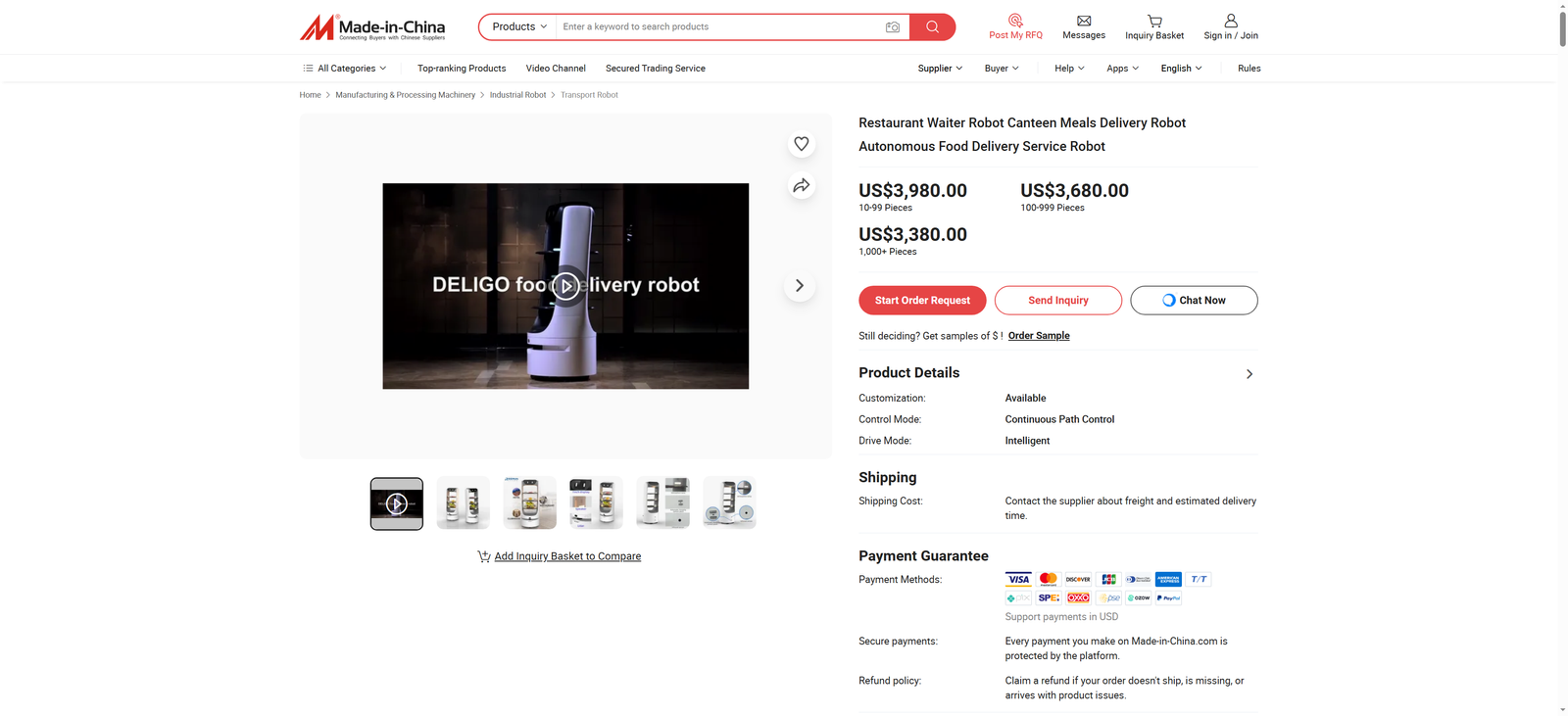
In an era of rapid technological advancement, the restaurant industry is undergoing a profound transformation driven by innovation—and at the forefront of this change are restaurant delivery robots, restaurant service robots, and intelligent waiter robots. These cutting-edge machines, collectively shaping the concept of a robot restaurant, are no longer science fiction; they have become practical, efficient solutions that redefine service standards, optimize operations, and enhance customer experiences. From seamless food delivery to personalized guest interactions, intelligent restaurant robots are revolutionizing how restaurants operate and how diners engage with food service.
A robot restaurant is more than just a novelty—it is a synergistic ecosystem where various service robots work in tandem to streamline every aspect of the dining process, from the moment a guest enters to the time they leave. At the core of this ecosystem are restaurant delivery robots, designed to address one of the industry’s most persistent challenges: efficient, accurate food delivery. Unlike human servers who may be overwhelmed during peak hours, these robots operate with consistent precision, navigating crowded dining halls, narrow aisles, and dynamic environments with ease. Equipped with advanced SLAM navigation, laser radar, and multi-sensor fusion technology, they can achieve centimeter-level positioning, detect obstacles in real time—whether it’s a running child, a misplaced chair, or a busy server—and adjust their routes accordingly to ensure safe and timely delivery of meals
The functionality of restaurant delivery robots extends far beyond mere transportation. Modern models feature shock absorption systems to prevent汤汁泼洒 (soup spills) even on uneven surfaces, multi-layered trays to carry multiple dishes at once, and integration with restaurant POS systems for real-time order tracking[3
Complementing delivery robots are restaurant service robots and intelligent waiter robots, which take guest interaction and service quality to new heights. An intelligent waiter robot is not just a delivery tool; it is a versatile assistant capable of performing a wide range of tasks that were once exclusive to human staff. These robots can greet guests at the entrance with AI-powered voice messages, guide them to their seats, display digital menus, and even recommend dishes based on customer preferences or dietary restrictions[2
In addition to guest-facing tasks, restaurant service robots play a crucial role in optimizing backend operations, reducing labor costs, and improving overall efficiency. They can assist with table bussing, collecting used dishes and returning them to the kitchen or washing area—some robots can回收 (recycle) 2000 to 3000 dirty plates per day, significantly boosting table turnover rates[3]. They
The adoption of restaurant delivery robots, intelligent waiter robots, and other service robots is not about replacing human staff—it is about redefining their role. In a robot restaurant, robots handle repetitive, time-consuming tasks, freeing up human servers to focus on what they do best: providing personalized, emotional service. Human staff can spend more time engaging with guests, addressing special requests, and ensuring a memorable dining experience, while robots handle the logistics of delivery, order taking, and table maintenance[2[3]. Thi
Today, robot restaurants are becoming increasingly common across various dining segments, from fast-casual chains and buffets to hot pot restaurants and even some fine dining establishments. Major brands like OrionStar (with its Lucki Bot Pro), Qinglang Intelligence (T6/T8), and Pudu Technology (Huanlesong, Bella) have launched specialized restaurant robots that cater to different operational needs[
Despite their many advantages, the widespread adoption of restaurant service robots also faces some challenges. The initial procurement and deployment costs can be high, making it difficult for small and medium-sized restaurants to invest upfront[1]. A
Looking ahead, the future of the restaurant industry is undeniably intertwined with intelligent service robots. A robot restaurant is no longer a niche concept but a glimpse into a more efficient, innovative, and customer-centric dining future. Restaurant delivery robots will continue to enhance delivery speed and accuracy, intelligent waiter robots will become more personalized and interactive, and restaurant service robots will play an even larger role in optimizing every aspect of restaurant operations. As technology and hospitality converge, these robots will not only transform how restaurants operate but also how we experience food—making dining more convenient, enjoyable, and memorable for everyone.