
In modern commercial spaces such as offices, hotels, and supermarkets, epoxy concrete floors have become a preferred choice due to their durability, stain resistance, and sleek appearance. However, maintaining the cleanliness and luster of these floors poses a significant challenge, especially given the high foot traffic and diverse dirt types in these areas. Fortunately, the integration of binocular camera and lidar technologies has given birth to a new generation of cleaning robots, which are redefining the standards of hygiene management in commercial venues with epoxy concrete floors.
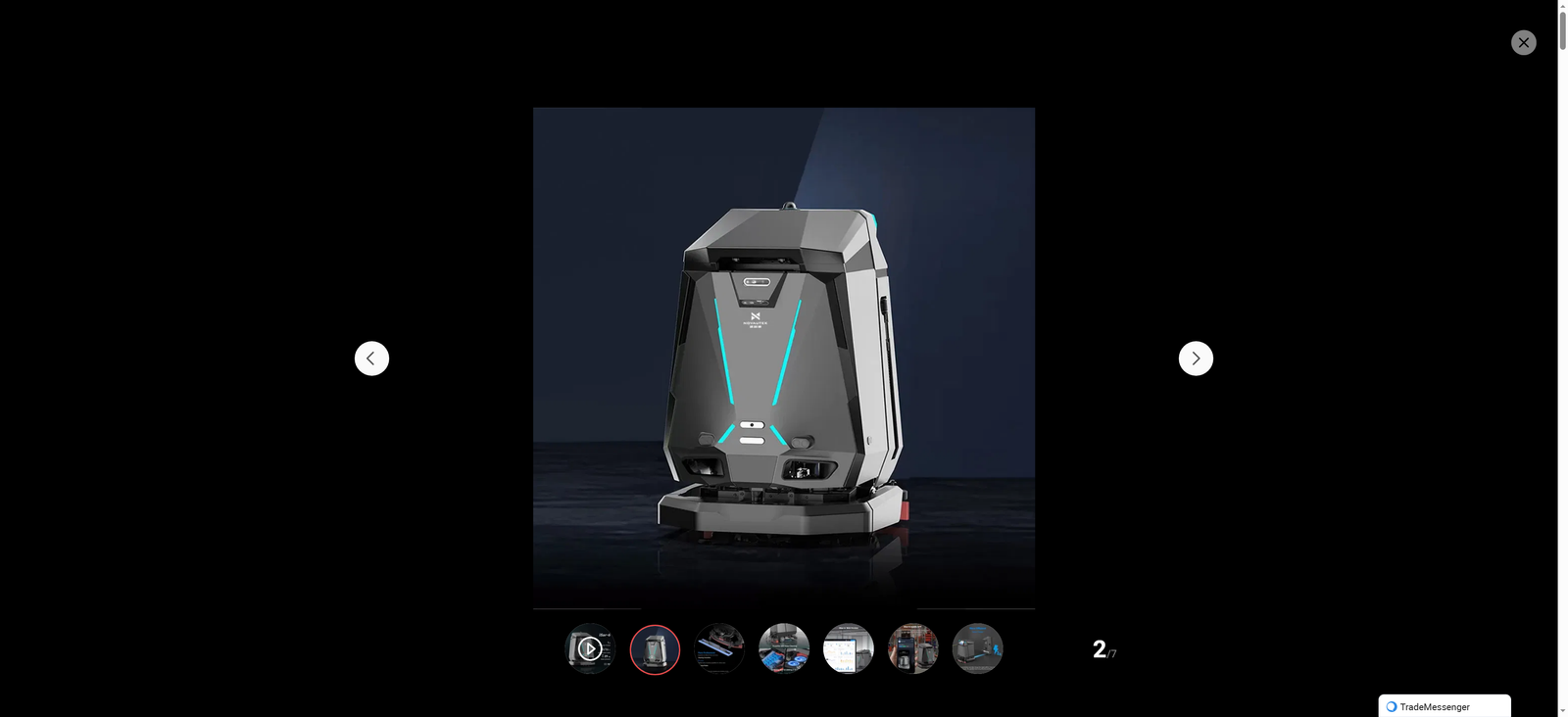
The core strength of these advanced cleaning robots lies in the synergy between binocular camera and lidar technologies. Lidar, known for its high-precision distance measurement capabilities, enables the robot to scan the surrounding environment in real time, creating a detailed 3D map of the cleaning area. This mapping function is crucial for navigating complex commercial spaces—whether it’s avoiding obstacles like office desks, hotel lobby furniture, or supermarket display racks, or identifying narrow passages and corners that are easy to overlook. On the other hand, the binocular camera mimics human vision, providing the robot with accurate visual information to distinguish between different types of dirt, such as dust, food crumbs in supermarkets, or coffee stains in offices. By combining the spatial positioning of lidar and the visual recognition of the binocular camera, the robot can achieve intelligent path planning, ensuring comprehensive coverage without missing any spots and avoiding repeated cleaning, thus greatly improving cleaning efficiency.
When it comes to cleaning epoxy concrete floors, these robots demonstrate unique advantages tailored to the characteristics of the floor material. Epoxy concrete floors are smooth but require gentle cleaning to avoid scratches. The cleaning robots are equipped with soft, high-quality brushes and adjustable suction power, which can effectively remove dirt without damaging the floor’s surface. In offices, where cleanliness directly affects employees’ work efficiency and health, the robot can operate during non-working hours (such as evenings or weekends) through preset schedules, ensuring a clean and fresh working environment every morning. For hotels, which pursue a high-end and comfortable experience for guests, the robot’s quiet operation ensures that it will not disturb guests’ rest or dining, while its precise cleaning capability maintains the spotless appearance of the lobby, corridors, and dining areas—key to enhancing the hotel’s brand image.
Supermarkets, with their large area, high foot traffic, and frequent occurrence of scattered goods and food residues, are another major application scenario for these cleaning robots. The binocular camera can quickly identify spilled liquids or broken food items, and the lidar guides the robot to the exact location for targeted cleaning. This timely response not only keeps the supermarket floor clean and safe (reducing the risk of customers slipping) but also reduces the workload of manual cleaners. Moreover, the robot’s ability to work continuously for a long time ensures that the entire supermarket area is maintained in a clean state throughout the day, which is difficult to achieve with manual cleaning alone.
Beyond efficiency and precision, these cleaning robots also bring significant economic and environmental benefits to commercial venues. By replacing part of manual labor, they reduce labor costs, which is a major expense for businesses. Additionally, the robots are equipped with intelligent water and detergent control systems, which use the minimum amount of cleaning agents and water necessary to achieve optimal cleaning results, contributing to environmental protection and cost savings. The data collected by the robot (such as cleaning coverage, dirt distribution, and equipment status) can also be transmitted to the management system, allowing managers to monitor the cleaning process in real time and make data-driven decisions to optimize cleaning plans.
As technology continues to advance, the combination of binocular camera and lidar technologies in cleaning robots will become more sophisticated. Future robots may be able to learn from cleaning data to adapt to different venue characteristics more intelligently, or integrate with other smart building systems to achieve a more seamless and automated facility management experience. For offices, hotels, and supermarkets with epoxy concrete floors, investing in such intelligent cleaning robots is no longer an option but a necessity to keep up with the trend of smart management and provide a high-quality environment for employees, guests, and customers.
In conclusion, the binocular camera and lidar-powered cleaning robot is a game-changer in the cleaning industry, especially for commercial spaces with epoxy concrete floors. Its intelligent navigation, precise cleaning, and scenario-specific adaptability make it an indispensable tool for offices, hotels, and supermarkets, revolutionizing the way commercial hygiene is managed. As the demand for smart and efficient facility management grows, these robots will undoubtedly play an increasingly important role in shaping a cleaner, safer, and more sustainable commercial environment.