
Automatic Spray Disinfection Robot: Intelligent Mobile Design, More Thorough Atomizing Sterilization
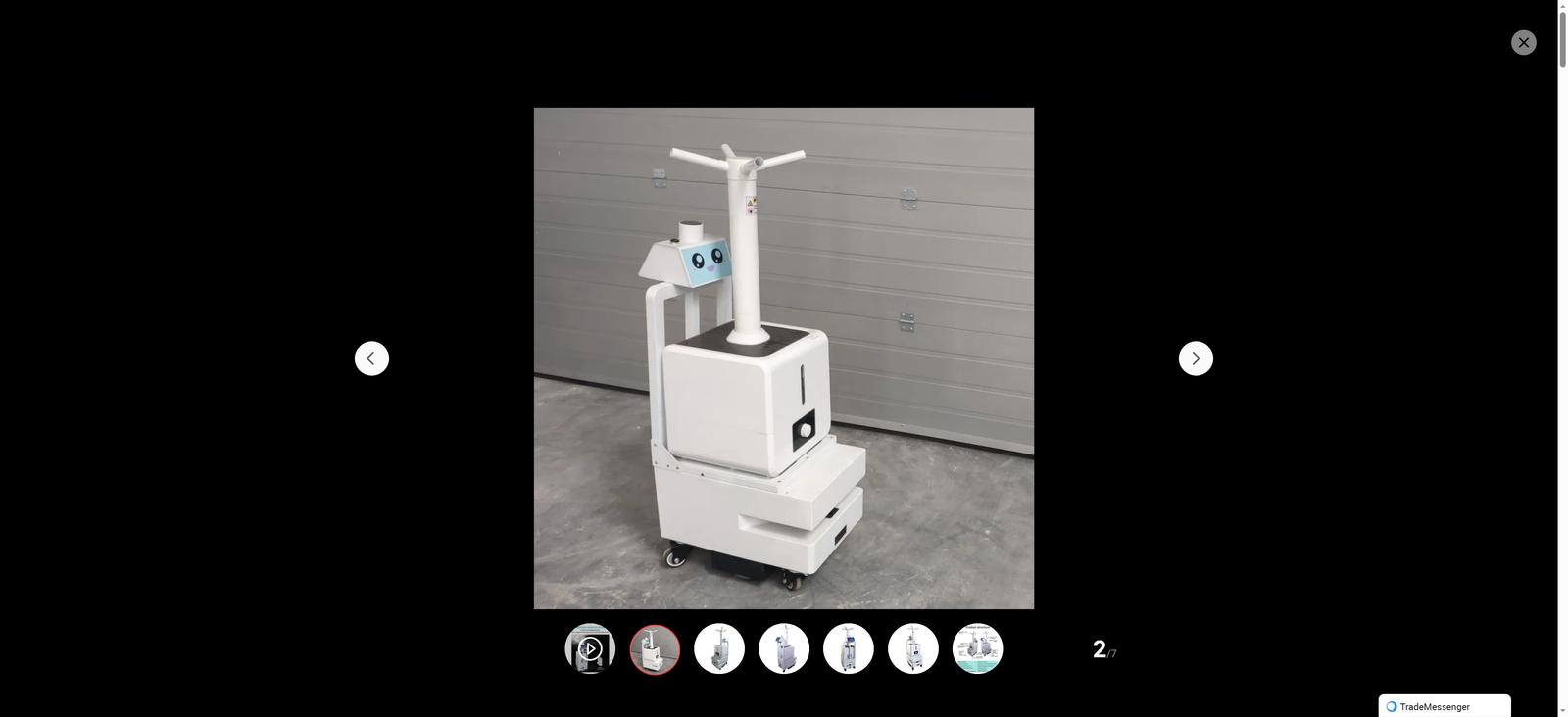
In an era where hygiene and safety have become the top priority across industries, the demand for efficient, reliable, and intelligent disinfection solutions is growing exponentially. Manual disinfection, once the mainstream method, is gradually being replaced by automated technologies due to its inherent limitations—uneven coverage, high labor costs, and potential risks of human exposure to harmful disinfectants. Against this backdrop, the automatic spray disinfection robot emerges as a game-changer, leveraging its intelligent mobile design and advanced atomizing sterilization technology to redefine the standards of modern disinfection, bringing unprecedented convenience and thoroughness to various scenarios.
The core strength of the automatic spray disinfection robot lies in its intelligent mobile design, which breaks the constraints of fixed disinfection equipment and achieves flexible, full-coverage operation in complex spaces. Equipped with advanced LiDAR navigation, ultrasonic sensors, and multi-sensor fusion technology, the robot can automatically map the environment in real time, plan optimal disinfection routes, and adapt to diverse indoor layouts—whether it is a spacious hospital ward, a crowded shopping mall, a busy airport terminal, or a precise laboratory. Unlike traditional manual disinfection that often misses hard-to-reach corners such as under tables, behind equipment, or in narrow corridors, this intelligent mobile system enables the robot to navigate autonomously, bypass obstacles smoothly, and even adjust its height and direction to ensure no dead ends in disinfection.
What sets this robot apart is its ability to realize unattended operation through intelligent control. With a built-in smart chip, it can be preset with disinfection time, area, and intensity according to actual needs, and complete the entire disinfection task independently without human intervention. When the battery is low or the disinfectant is insufficient, the robot will automatically return to the charging dock or remind the staff to refill, ensuring 24/7 availability and continuous disinfection protection. This not only saves a great deal of human resources but also avoids the inconsistency of disinfection effects caused by human fatigue or negligence, maintaining a stable and reliable disinfection standard at all times.
Complementing its intelligent mobile design is the more thorough atomizing sterilization technology, which is the key to achieving high-efficiency disinfection. Different from the traditional spraying method that produces large liquid droplets (easy to accumulate and cause uneven disinfection), the automatic spray disinfection robot adopts advanced atomization technology to convert disinfectants (such as hydrogen peroxide, sodium hypochlorite, and hypochlorous acid) into ultra-fine aerosol particles smaller than 5 μm. These tiny particles can float in the air for a long time, fully contact with the surfaces of objects and the air, penetrate into every tiny gap, and effectively kill bacteria, viruses, and other pathogenic microorganisms by disrupting their DNA/RNA structure.
Tests have shown that the atomizing sterilization technology of the robot can achieve a sterilization rate of over 99.9%, which is far higher than the traditional manual disinfection method. It can not only disinfect the surface of objects but also purify the air, effectively reducing the risk of cross-infection caused by air transmission—especially critical in medical institutions, where the prevention of healthcare-associated infections is a top priority. In addition, the atomization system controls the dosage of disinfectants precisely, avoiding excessive use of disinfectants that may cause environmental pollution or damage to equipment, achieving a balance between thorough disinfection and environmental protection.
As an important part of the service robot industry, the automatic spray disinfection robot has broad application prospects in various fields with the continuous growth of the global disinfection robot market (expected to reach 9.2 billion US dollars in 2025). In medical institutions (accounting for 55% of the application market), it can be used for disinfection in operating rooms, wards, and laboratories to protect the safety of medical staff and patients; in commercial spaces such as shopping malls, hotels, and airports (accounting for 30% of the application market), it can provide a safe and hygienic environment for customers and employees; in schools, factories, and logistics warehouses, it can reduce the burden of daily disinfection and improve the efficiency of hygiene management.
In today’s pursuit of efficient, intelligent, and thorough disinfection, the automatic spray disinfection robot, with its intelligent mobile design and advanced atomizing sterilization technology, has become an indispensable assistant in modern hygiene management. It not only solves the pain points of traditional disinfection methods but also adapts to the development trend of intelligence and automation in the disinfection industry, bringing a new mode of efficient, safe, and worry-free disinfection to all walks of life. Choosing the automatic spray disinfection robot means choosing a more reliable protection for hygiene and safety, and moving towards a smarter and healthier future.